Malayalam Alphabet Learning: Creative Montessori Play
Making Malayalam alphabet learning creative and imaginative with Montessori play transforms a crucial educational step into a delightful journey for children. This method leverages a child's natural curiosity and multi-sensory engagement, enabling them to truly connect with the beautiful Malayalam script rather than merely memorizing it. For Indian parents, this approach ensures a deep cultural connection alongside robust language development.
In today's dynamic world, fostering creativity and imagination is paramount, as emphasized by Luxor MD in Forbes India, stating creativity must move from the mainstream of learning. As Funskool brings new creative play ranges to India, parents are increasingly seeking methods that allow children to open up emotionally and cognitively. Montessori offers a tried and tested path to achieving these goals, especially when it comes to regional languages.
What is Creative Malayalam Alphabet Learning?
Creative Malayalam alphabet learning involves engaging children with the script through multi-sensory, hands-on, and imaginative activities inspired by Montessori principles. This approach matters because it fosters a love for the language, builds strong foundational literacy, and enhances cognitive development beyond simple memorization. Indian parents can implement this by providing purposeful materials and creating an inviting learning environment at home.
Why Imaginative Language Play is Essential for Malayalam Literacy
Child development experts agree that early exposure to regional languages, integrated with imaginative play, significantly boosts cognitive flexibility and cultural identity. Research shows that children who engage in creative language activities develop stronger problem-solving skills and a more robust vocabulary. This foundational learning supports their overall academic journey and personal growth.
For children in Bengaluru and across Kerala, understanding the Malayalam alphabet is not just about letters; it's about connecting with their heritage. Through play, children naturally explore, experiment, and internalize complex concepts, making language acquisition an organic and joyful process rather than a pressured task often seen in traditional schooling. This playful approach helps them navigate school demands with a confident grasp of their mother tongue.
Creative Malayalam Activities for Engaged Learning
Montessori education champions a hands-on, self-directed learning experience that is perfectly suited for regional language acquisition. Integrating imaginative elements into these activities ensures children remain engaged and excited about discovering each unique Malayalam letter.
Sensory Exploration with Montessori Malayalam Letters
Maria Montessori's genius lies in her understanding of sensory learning, especially with materials like sandpaper letters. For Malayalam, these tactile letters allow children aged 2.5 to 5 years to trace the form of each 'aksharam' (letter) with their fingers, feeling its contours. This multi-sensory input — seeing, touching, and later hearing the phonetic sound — creates a strong neural pathway for memory and recognition.
Parents can also encourage children to trace Malayalam letters in sand, rice, or salt trays, turning a simple task into a delightful tactile experience. This prepares their hand for writing while introducing the shapes of letters. Such activities build fine motor skills, which are crucial for later handwriting, without the pressure of formal instruction.
Storytelling and Role-Play with Malayalam Words
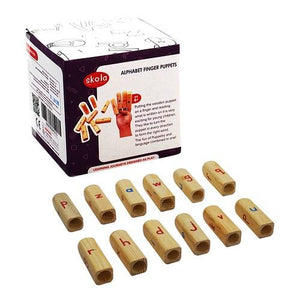
Imagination thrives on narrative. Create simple stories around Malayalam words, perhaps about a character whose name starts with a specific letter. For example, a story about "അമ്മ" (Amma - Mother) going to "ആന" (Aana - Elephant) with "ആപ്പിൾ" (Apple) engages children. Use puppets or their favorite toys to act out these stories, giving life to the words and making them memorable.
In Indian homes, grandparents often excel at storytelling. Encourage them to narrate tales using simple Malayalam phrases and words, turning family time into an interactive language lesson. This approach connects new vocabulary to familiar faces and comforting routines, strengthening family bonds and language skills simultaneously.
Crafting and Creating Malayalam Letter Art
Art and language are natural partners in creative development. Provide children with various materials like clay, playdough, pipe cleaners, or even natural elements found in the garden to form Malayalam letters. Making collages with cut-out letters from old newspapers or magazines reinforces recognition in a fun way.
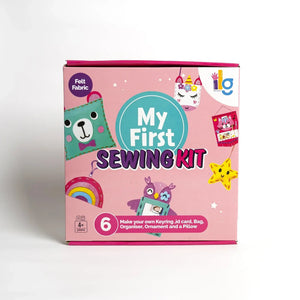
Explore SkilloToys' range of activityKits that can be adapted for language learning. Children can decorate letters with beads, glitter, or paint, turning each letter into a mini masterpiece. This hands-on creation not only teaches the form of the letter but also associates learning with positive, artistic expression.
Building and Puzzles for Malayalam Vocabulary
Montessori education often utilizes building blocks and puzzles to develop spatial reasoning and problem-solving skills. Extend this to Malayalam by using blocks with letters or small pictures that represent words starting with those letters. Children can match letters to pictures or build simple Malayalam words.
Consider puzzles that feature Malayalam letters or words, challenging children to piece them together. These kinds of activities enhance visual discrimination and word recognition. For example, a puzzle featuring common fruits or animals with their Malayalam names can be an engaging way to expand vocabulary.
Integrating Malayalam Alphabet Learning into Daily Indian Life
The true magic of creative language learning happens when it becomes a seamless part of a child's everyday experience. In the vibrant tapestry of Indian family life, opportunities abound to naturally weave in Malayalam alphabet learning.
Point out Malayalam letters on signboards during family outings in Bengaluru, or read children's books in Malayalam during bedtime stories. During festivals like Onam or Vishu, engage children in creating cards or decorations featuring Malayalam greetings. Research indicates that integrating learning into routine activities significantly improves retention and intrinsic motivation for language acquisition.
For joint families, the collective environment offers numerous informal learning opportunities. Encourage older siblings or cousins to engage younger ones in simple Malayalam word games. Even during daily chores, naming objects in Malayalam and asking children to identify the starting letter can be a playful exercise, reducing academic pressure and fostering a love for their regional language.
- Creative, imaginative play is crucial for effective Malayalam alphabet learning in children.
- Montessori methods, like sensory engagement and hands-on materials, significantly enhance regional language acquisition.
- Integrating Malayalam learning into daily routines and cultural activities strengthens a child's connection to their heritage.
- Multi-sensory activities, such as tracing sandpaper letters, build strong neural pathways for language recognition.
- Encouraging storytelling and art with Malayalam letters fosters imagination and cognitive development.
- Early and playful exposure to regional languages is vital for developing a confident grasp of one's mother tongue.
At what age should I introduce Malayalam alphabet learning?
Child development experts recommend introducing foundational language concepts, including the Malayalam alphabet, between 2.5 and 5 years. This period is prime for language acquisition, allowing children to absorb new information playfully and effectively.
How can Montessori methods make learning Malayalam fun?
Montessori methods make learning Malayalam fun by engaging multiple senses through hands-on materials like sandpaper letters and phonetic activities. This approach fosters independence and a deep, intrinsic motivation for language exploration, moving beyond rote memorization.
What are some creative Malayalam activities for kids at home?
Creative Malayalam activities include tracing letters in sand, making collages with Malayalam letters, singing Malayalam alphabet songs, and creating storyboards with characters whose names start with specific Malayalam letters. These activities integrate learning with imaginative play.
Are there specific Montessori materials for regional language learning?
While traditional Montessori materials like sandpaper letters and movable alphabets are universal, they can be adapted for regional languages like Malayalam. SkilloToys offers educational toys that align with Montessori principles, supporting regional language education.
How can I encourage my child's imagination while learning Malayalam?
Encourage imagination by integrating Malayalam into pretend play, storytelling, and role-playing scenarios. Use puppets or simple props to act out stories using Malayalam words, or challenge your child to invent new words or stories with the letters they know.