Wooden Toys for Kids: Maximizing Creative Play
When it comes to nurturing young minds in today's screen-saturated world, providing excellent wooden toys for kids is a definitive strategy for maximizing creativity and imagination. Child development experts agree that open-ended play, facilitated by simple, natural materials, is paramount for cognitive growth and fostering innovative thinking. For parents across India, navigating the digital age's influence on childhood, the wisdom of choosing wooden toys offers a tangible path to richer, more imaginative play experiences.
The recent discussions, such as the Deccan Chronicle's feature on "Why Play Still Matters in a Screen-Filled Childhood," underscore a universal truth: play is not just leisure; it's a child's work, their primary mode of learning. In a Bengaluru home, amidst the demands of modern life, the presence of diverse Montessori wooden toys becomes a silent invitation to explore, invent, and dream without limits.
What is Creative Play with Wooden Toys?
Creative play with wooden toys is the spontaneous process where children use simple, tactile materials to invent games, construct unique structures, and act out imaginary scenarios, free from predetermined outcomes. This matters because it cultivates critical thinking, emotional expression, and cognitive flexibility crucial for lifelong learning and problem-solving. Indian parents can facilitate this by offering a variety of open-ended wooden toys and creating a supportive, screen-free play environment where children feel empowered to lead their own imaginative journeys.
Why Diverse Montessori Wooden Toys are Essential for Imagination
The philosophy of Maria Montessori champions materials that are natural, durable, and designed to engage a child's senses while promoting self-directed discovery. Wooden toys embody these principles, making them ideal vehicles for creative and imaginative play. Unlike electronic toys that dictate interaction, the simplicity of a wooden block or a handmade doll demands that the child actively supply the narrative, the sound effects, and the purpose, profoundly engaging their developing mind.
Research indicates that open-ended play with such materials significantly enhances cognitive flexibility and spatial reasoning. For a child like 3-year-old Anya in a joint family in Chennai, a set of plain wooden shapes can transform into an elaborate wedding pandal one day, and a bustling railway station the next, driven purely by her burgeoning imagination and observations from her surroundings.
Wooden Blocks: Foundations of Imagination
Wooden blocks are arguably the quintessential creative play wooden toys. Their uniform yet versatile nature allows for endless construction possibilities. A tower can become a skyscraper in Mumbai, a bridge over the Hooghly, or a wall protecting a beloved toy animal. The satisfying clunk as one block lands on another, the challenge of balance, and the joy when a structure stands tall all contribute to sensory learning and perseverance. Studies show that children who regularly engage with wooden blocks develop stronger spatial reasoning skills and a deeper understanding of mathematical concepts.
Wooden Puzzles & Manipulatives: Problem-Solving Narratives
Beyond simple stacking, Montessori wooden toys like shape sorters, lacing beads, and intricate wooden puzzles offer another layer of imaginative engagement. While they have a "correct" solution, the journey to finding it encourages critical thinking and focused attention. A child completing a wooden animal puzzle isn't just fitting pieces; they're learning about animal characteristics, perhaps imagining the animal's roar or its habitat. These activities refine fine motor skills while simultaneously encouraging the child to build a narrative around their actions.
Wooden Play Sets & Figures: World-Building & Role-Playing
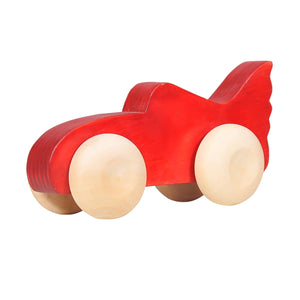
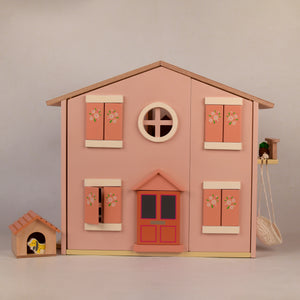
For fostering imaginative play wooden toys that truly shine, consider wooden play sets and figures. A miniature wooden farm set, a dollhouse, or a collection of wooden community helpers can transport a child into elaborate make-believe worlds. Rohan, a 4-year-old in Bengaluru, might spend hours arranging his wooden traffic signs and vehicles, enacting the busy city roads he observes daily, complete with imagined dialogues between drivers and pedestrians. This role-playing is vital for developing empathy, social skills, and language capabilities.
Wooden Activity Kits: Hands-On Exploration
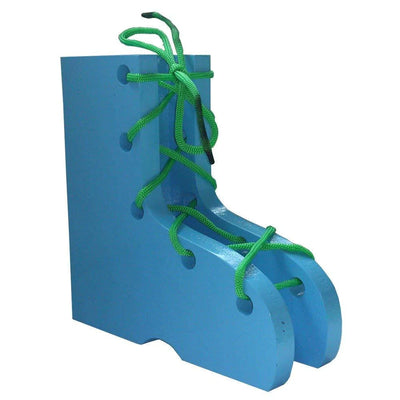
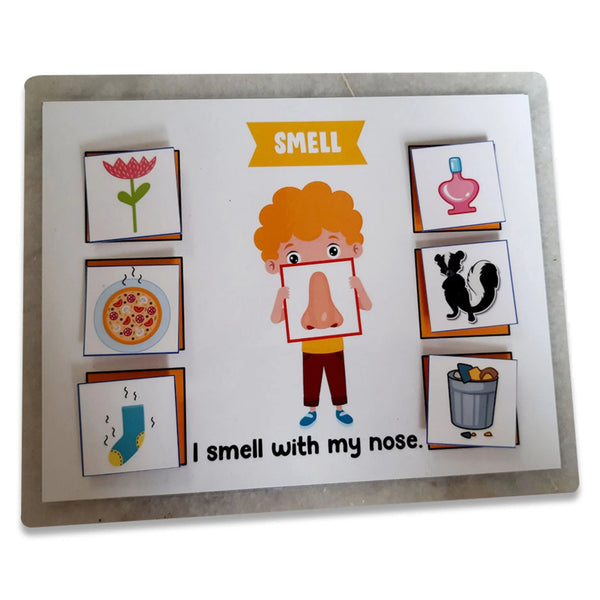
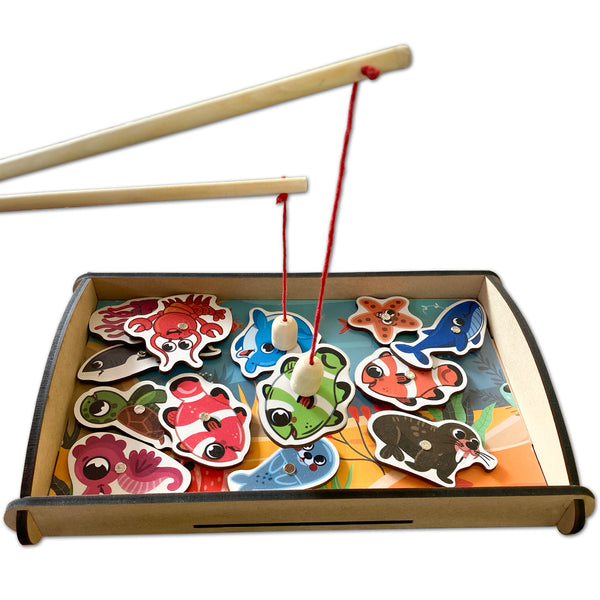
To further spark curiosity and hands-on discovery, wooden activity kits provide guided creative exploration. These might include wooden threading games, mosaic sets, or even simple art and craft kits using natural wooden components. They blend structure with freedom, allowing children to create unique outcomes within a defined framework. Such kits are particularly appealing for slightly older children, bridging the gap between free play and more structured learning, all while enhancing concentration and artistic expression.
Practical Tips for Maximizing Creativity with Wooden Toys
As parents in India, we can cultivate an environment where creativity flourishes with wooden toys. It's not just about the toys themselves, but how they are presented and integrated into daily life. Remember, the goal is to ignite the child's inner drive to imagine and create.
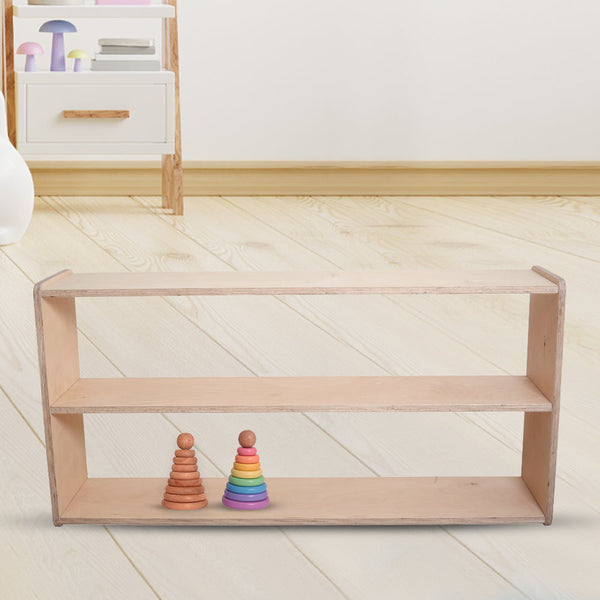
- Offer a "Prepared Environment": Following Montessori principles, present a curated selection of wooden toys in an accessible, organized manner. Rotate toys regularly to keep them fresh and interesting, preventing overwhelm and encouraging deeper engagement with fewer items.
- Limit Screen Time: The American Academy of Pediatrics (AAP) recommends significant limits on screen time for young children. By consciously reducing exposure to digital devices, you create more space and time for children to naturally gravitate towards hands-on, imaginative play. This simple step is transformative for creative development.
- Join In, Don't Direct: Occasionally, sit alongside your child and engage with their wooden toys. Instead of directing their play, ask open-ended questions like, "What are your little wooden people doing today?" or "What kind of building are you constructing?" Your presence and gentle curiosity can inspire new ideas without stifling their autonomy.
- Connect Play to Life: Encourage children to use their wooden toys to recreate scenarios from daily life or Indian festivals. A stack of wooden blocks might become a Diwali lamp stand, or wooden figures could act out a family gathering. This grounds their imagination in their cultural context, making play more meaningful.
- Value the Process, Not Just the Product: Celebrate their efforts, even if a wooden tower collapses or a puzzle isn't perfectly solved. The true value lies in the problem-solving, the experimentation, and the imaginative journey, not solely in the finished creation.
Embracing diverse wooden toys for kids is an investment in your child's future, fostering not just creativity and imagination, but also resilience, problem-solving skills, and a lifelong love for self-directed discovery. At SkilloToys.com, we believe in providing the tools for children to build their own wonderful worlds, one wooden block at a time. Explore our wide range of Montessori-inspired educational toys designed to inspire the next generation of creative thinkers and innovators across India.