Malayalam Alphabets: Creative Montessori Learning for Kids
Learning malayalam alphabets becomes an imaginative adventure when approached through creative Montessori play, empowering children to organically connect with their native language through hands-on discovery and sensory engagement. This method fosters deeper understanding and a lifelong love for learning, crucial for children in India's diverse linguistic landscape, alleviating the pressure often associated with academic milestones.
Creative Montessori play for Malayalam alphabet learning is a child-centred approach utilizing sensory materials and imaginative activities to introduce letters. This matters because it cultivates intrinsic motivation and deep cognitive connections, making learning joyful and effective. Indian parents can implement these engaging, cultural activities at home to nurture their child's language skills in a natural, supportive environment.
Why Creative Montessori Play Transforms Malayalam Alphabet Learning
Child development experts agree that play-based learning is significantly more effective than rote memorization, especially for foundational skills like language acquisition. Integrating creativity into Montessori Malayalam activities allows children to explore letters with curiosity and joy, rather than perceiving them as a chore. This approach leverages a child's natural inclination to play, turning education into an exciting journey.
This method enhances cognitive development, fine motor skills, and problem-solving abilities, all while instilling a deep appreciation for the Malayalam language. Research indicates that children who engage in imaginative play develop stronger communication skills and a richer vocabulary. For Indian families, this means children grow up with a confident grasp of their regional language, connecting them to their cultural heritage.
Embracing the Sensory Journey of Malayalam Letters
Maria Montessori's philosophy emphasizes sensory learning, a cornerstone for making abstract concepts like letters tangible. For Malayalam alphabet learning, this means moving beyond textbooks to touch, see, and manipulate letters. Think of creating tactile Malayalam letters from sandpaper or felt, allowing children to trace their forms with their fingers, absorbing their shapes kinesthetically.
This sensory engagement activates multiple parts of the brain, reinforcing memory and recognition. For a child learning 'ക' (ka), feeling its curves and lines is far more impactful than just seeing it on a page. This hands-on interaction prepares them not only for reading but also for writing, laying a solid foundation for literacy in their mother tongue.
Imaginative Activities for Mastering Malyalam Alphabets
Transforming letter learning into imaginative play captures a child's attention and makes the process memorable. Just as brands like Funskool are expanding DIY craft ranges, parents are seeking similar creative avenues for academic learning. These creative Malayalam lessons can involve simple materials found at home or engaging educational toys designed to spark imagination.
Encourage your child to embark on a 'letter hunt' around the house or during a visit to the park, identifying objects whose names start with a particular Malayalam letter. This playful approach integrates learning into daily life, making it a natural and exciting part of their world, especially when grandparents join in the fun.
Storytelling and Role-Play with Malayalam Words
Storytelling is a powerful tool for language acquisition and imagination. Create simple narratives around Malayalam alphabets, giving each letter a character or a special role. For example, 'അ' (a) could be 'അമ്മ' (Amma), who loves to read, and 'ആ' (aa) could be 'ആന' (Aana), a friendly elephant on an adventure.
Encourage children to act out these stories, using puppets or even themselves as characters. This not only reinforces letter recognition and vocabulary but also helps children open up emotionally, as highlighted by experts discussing the benefits of creative activities. This method naturally connects the language to their lived experiences and emotions, a cornerstone of effective learning.
Hands-On Crafting and Artistic Expression
Creative activities involving crafting are excellent for reinforcing letter shapes and sounds. Provide clay, playdough, or natural materials like twigs and leaves for children to form Malayalam letters. This hands-on manipulation strengthens fine motor skills, which are crucial for writing, and provides a multi-sensory experience.
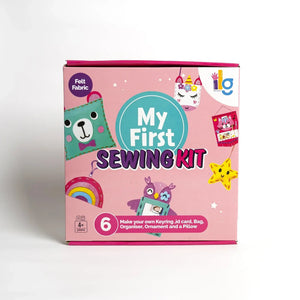
For example, using an activity kit to create a colourful collage where each element represents a Malayalam letter or a word starting with it can be incredibly engaging. Such projects not only make learning enjoyable but also give children a sense of accomplishment, fostering a positive attitude towards their studies. Consider puzzles that allow children to piece together Malayalam letters or words, adding another dimension to tactile learning.
Cultivating a Language-Rich Home Environment
Creating a home environment rich in Malayalam language and culture is paramount for early literacy. Research consistently indicates that children from language-rich homes develop stronger verbal abilities and a larger vocabulary. This doesn't mean constant drilling, but rather natural integration of Malayalam into everyday interactions, stories, and play.
For joint families, grandparents can play a vital role, sharing traditional stories and songs in Malayalam, connecting children to their roots. This consistent exposure, combined with creative Montessori activities, builds a robust foundation for a child's linguistic journey, ensuring they feel comfortable and confident in their native tongue, alleviating some of the academic pressure they might face later.
Integrating Everyday Montessori Malayalam Activities
Simple daily routines can become powerful Montessori Malayalam activities. Label objects around the house in Malayalam, encouraging your child to read them aloud. During meal preparation, name ingredients in Malayalam. Singing Malayalam nursery rhymes and traditional songs is another fantastic way to familiarize children with sounds and rhythm of the language.
These natural interactions make learning feel organic and joyful, rather than a separate, scheduled task. The key is to make Malayalam a living, breathing part of their environment, stimulating their curiosity and making them eager to explore more. This continuous, gentle immersion fosters a deep, intuitive understanding.
Choosing the Right Malayalam Educational Toys for Creative Learning
Selecting appropriate malayalam educational toys is crucial for supporting creative and imaginative learning. Look for open-ended materials that encourage exploration and discovery, rather than prescriptive outcomes. Wooden alphabet puzzles, storytelling cards with Malayalam words, and creative activity kits designed for language play are excellent choices.
At SkilloToys.com, India's leading Montessori educational toys store, we understand the importance of quality, age-appropriate materials. These toys not only facilitate learning the malyalam alphabets but also nurture a child's inherent creativity, allowing them to engage with their mother tongue in a playful and meaningful way, preparing them for future academic success and cultural connection.
- Creative Montessori play transforms Malayalam alphabet learning into an engaging, joyful experience.
- Sensory materials and hands-on activities are crucial for kinesthetic and tactile understanding of Malayalam letters.
- Storytelling, role-play, and crafting enhance imaginative engagement and emotional connection to the language.
- A language-rich home environment, including grandparents' involvement, significantly boosts early Malayalam literacy.
- Choosing open-ended, Montessori-aligned educational toys supports self-directed and creative Malayalam language development.
- Integrating everyday Malayalam activities ensures continuous, natural language exposure and acquisition.
Why is creative play important for learning Malayalam alphabets?
Creative play makes learning Malayalam alphabets engaging and multisensory, fostering deeper retention and intrinsic motivation. It helps children connect emotionally with the language, moving beyond rote memorization to true understanding and enjoyment.
What age is best to start introducing Malayalam alphabets creatively?
Child development experts recommend introducing language concepts, including Malayalam alphabets, around 2.5 to 3 years of age, aligning with Montessori principles. This period leverages a child's natural curiosity and readiness for sensory exploration.
How can I make Malayalam alphabet learning fun at home?
To make Malayalam alphabet learning fun at home, incorporate storytelling, craft activities like making letter shapes from clay, and sensory games with activity kits. Label objects around the house in Malayalam and sing traditional songs to create a language-rich environment.
Are there specific Montessori materials for Malayalam alphabet learning?
While traditional Montessori materials like sandpaper letters primarily focus on English, the principles are easily adaptable for Malayalam. Parents can create DIY sandpaper Malayalam letters or use movable alphabet sets to teach letter recognition and formation.
How does Montessori help with creative Malayalam language development?
Montessori aids creative Malayalam language development by providing hands-on, self-directed learning experiences that cater to a child's individual pace and interests. It encourages exploration, builds independence, and naturally integrates imaginative play, making language acquisition a joyful discovery.