Montessori Creative Play Kindness: Nurturing Compassionate Kids
In India’s vibrant and interconnected family structures, cultivating children who embody compassion is a cherished goal. Research consistently demonstrates that a strong foundation in Montessori creative play kindness significantly enhances a child’s capacity for empathy, generosity, and respect for others, establishing crucial prosocial behaviors from a young age. This approach is beautifully echoed in recent initiatives, such as the KidZania India and Magic Bus Foundation partnership, which aims to bring empathy and creative expression to life for children across the nation.
This unique educational philosophy, rooted in Maria Montessori’s insights, provides a powerful framework for parents in Bengaluru and beyond to nurture genuinely kind-hearted and imaginative individuals. By integrating specific play-based strategies into daily routines, parents can observe their children developing a natural inclination towards understanding and supporting those around them.
What is Montessori Creative Play Kindness?
Montessori creative play kindness is a pedagogical approach that fosters empathy, compassion, and prosocial behavior through self-directed, imaginative activities within a prepared environment. This matters immensely because it equips children with essential social-emotional intelligence, crucial for navigating complex social dynamics and forming meaningful relationships. Indian parents can actively implement this by providing open-ended materials and encouraging collaborative exploration.
The KidZania-Magic Bus Vision: A Blueprint for Kindness
The recent partnership between KidZania India and the Magic Bus Foundation underscores a shared commitment to developing holistic children who are not just academically proficient but also emotionally intelligent. This collaboration aims to infuse experiences that foster empathy, kindness, and creative expression directly into children's play. Child development experts agree that such experiential learning is pivotal in shaping compassionate individuals.
This initiative highlights how engaging, real-world scenarios, even simulated ones, can powerfully teach children about responsibility and caring for others. It serves as an inspiring blueprint, demonstrating that structured yet creative environments can be potent catalysts for prosocial growth, a principle central to Montessori philosophy. Their vision perfectly aligns with the idea that play is a serious endeavor for learning life's most valuable lessons.
Nurturing Prosocial Behavior Montessori: The Foundation of Compassion
The Montessori method, established by Maria Montessori, inherently champions the development of prosocial behavior through its emphasis on respect for self, others, and the environment. Children in a Montessori setting learn to collaborate, share resources, and offer help without prompting, fostering a deep sense of community. This consistent practice of grace and courtesy, an integral part of Montessori education, translates directly into acts of kindness.
For instance, practical life exercises, such as pouring water carefully or cleaning up after an activity, teach children responsibility and care for their surroundings and shared spaces. This respect extends to their peers, encouraging them to be mindful of others' needs. Studies indicate that children consistently exposed to such environments develop stronger social problem-solving skills and a greater capacity for compassion by age five.
Creative Activities for Compassion: Practical Montessori Play
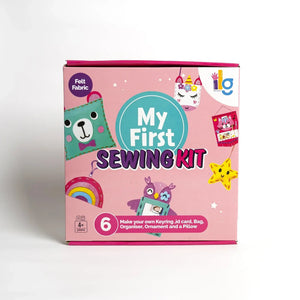
Integrating creative activities for compassion into daily routines does not require elaborate setups; rather, it thrives on thoughtful design and intention. Encourage role-playing scenarios where children take on roles of caregivers, doctors, or community helpers, responding to needs and offering support. Engaging children with collaborative puzzles or open-ended activityKits encourages sharing of space and materials, fostering teamwork and patience.
Simple acts like watering plants, feeding pets, or helping grandparents with small tasks around the house become powerful lessons in empathy and service. Provide opportunities for children to express their feelings and understand the feelings of others through art, music, or storytelling. These creative outlets allow them to process emotions and develop a deeper understanding of human connections, fostering genuine kindness.
Teach Kindness Children Play: Everyday Opportunities in Indian Homes
In the bustling landscape of an Indian home, where joint families often thrive and festivals bring everyone together, opportunities to teach kindness to children through play are abundant. Encourage children to share their favourite sweets or toys with cousins during Diwali, or involve them in preparing a simple meal for a community drive. These shared experiences, often playful and joyful, naturally build a foundation of generosity and collective responsibility.
Grandparents, with their wealth of stories and wisdom, can narrate tales of kindness from Indian mythology or personal experiences, instilling moral values in a gentle, engaging way. Even amidst school pressure and academic pursuits, dedicating time for imaginative play that focuses on helping others – like building a 'kindness fort' for stuffed animals or drawing 'thank you' cards for essential workers – reinforces the importance of compassion in their lives.
The Long-Term Impact: Why Kindness Matters for Indian Children
Cultivating kindness through Montessori creative play has far-reaching benefits that extend well into adulthood. Children who develop strong prosocial behaviors are more likely to form healthier relationships, exhibit better emotional regulation, and demonstrate increased resilience in the face of challenges. These traits are invaluable in navigating the complexities of modern Indian society, from competitive schooling to diverse workplaces.
Furthermore, kind children contribute positively to their communities, becoming empathetic leaders and responsible citizens. By prioritizing the nurturing of kindness, Indian parents are not just raising good individuals; they are contributing to a more compassionate and harmonious society. The foundational skills developed through Montessori principles ensure that children carry these values forward, making a tangible difference in the world.
Explore More Montessori Materials for Holistic Development
To further support your child's journey in developing kindness, creativity, and a love for learning, explore SkilloToys' comprehensive collection of Montessori Method Learning Materials. Each item is designed to encourage self-directed discovery and holistic growth, empowering your child to become a compassionate and independent thinker.
- Montessori creative play significantly enhances a child’s capacity for empathy and prosocial behavior.
- The KidZania India and Magic Bus Foundation partnership highlights the importance of experiential learning in fostering kindness.
- Maria Montessori’s approach builds compassion through respect for self, others, and the environment.
- Engaging children in collaborative activities and practical life exercises directly develops kindness and responsibility.
- Everyday Indian home scenarios, like sharing during festivals, offer abundant opportunities to teach kindness through play.
- Children with strong prosocial behaviors develop healthier relationships and contribute positively to their communities.
What is the role of Montessori creative play in fostering kindness?
Montessori creative play naturally fosters kindness by providing children with opportunities for independent choice, collaborative activities, and practical life exercises that emphasize respect for self, others, and the environment. This approach builds empathy and prosocial behaviors from an early age.
How can parents teach kindness to children through play at home?
Parents can teach kindness to children through play by creating a home environment that encourages sharing, role-playing scenarios of helping others, and engaging in collaborative tasks like preparing a meal or tidying up. Integrating storytelling about compassionate characters and celebrating acts of kindness also reinforces these values.
Are there specific Montessori materials that encourage prosocial behavior?
While all Montessori materials implicitly encourage respect and focus, practical life materials, such as pouring, scooping, and caring for plants, directly develop a sense of responsibility and care for the environment. Collaborative work with materials like the Pink Tower or constructive triangles fosters patience and teamwork, which are foundations for prosocial behavior.
How does the KidZania-Magic Bus partnership relate to nurturing kindness?
The KidZania-Magic Bus partnership exemplifies a shared vision for cultivating empathy, kindness, and creative expression in children through engaging, real-world experiences. This initiative highlights the importance of experiential learning in developing social-emotional skills, aligning perfectly with Montessori's hands-on approach to character development.
What are some creative activities for compassion suitable for Indian families?
Creative activities for compassion in Indian families include role-playing helping elderly family members, creating artwork for community helpers, or collaborating on preparing a simple festive dish. Engaging children in acts of service during local festivals or visiting less fortunate individuals with small gifts also powerfully teaches kindness and empathy.