Montessori Imaginative Play: Art Supplies for World-Building
In Indian homes, fostering creativity is a cherished value, and Montessori imaginative play art supplies are transformative tools. These materials empower children to build vibrant inner worlds, turning simple art into complex narratives and environments. By providing open-ended materials, parents can ignite a child's natural curiosity and their innate ability to imagine beyond the tangible, moving from mere observation to active creation.
The recent Crayola-Luxor partnership highlights the growing importance of accessible art tools in India, underscoring a societal shift towards hands-on creativity. For parents seeking actionable strategies, integrating art supplies into a Montessori framework offers a powerful pathway. This guide explores how everyday art materials become gateways to imaginative world-building, fostering not just artistic skill, but profound cognitive and emotional development in children.
What is Montessori World-Building?
Montessori World-Building is the process where children use their imagination and available materials to construct and explore imaginary scenarios, characters, and environments. This matters because it develops crucial cognitive skills like problem-solving, narrative construction, and empathy. Indian parents can facilitate this by providing purposeful, open-ended materials and an environment that respects their child's independent exploration.
Sparking Imagination Montessori: Art Supplies as Open-Ended Invitations
Child development experts agree that a child's imagination thrives when given freedom and appropriate tools. In a Montessori environment, art supplies are not just for drawing; they are open-ended invitations to create, explore, and invent. The emphasis is on the process, not the product, allowing children the psychological safety to experiment without fear of judgment, much like children explore traditional Montessori materials such as the Pink Tower or Sandpaper Letters.
The availability of quality art materials, now even more accessible through collaborations like Crayola-Luxor, means parents across India can easily equip their children. Simple items like crayons, sketch pens, washable paints, and playdough become catalysts for children to express complex ideas. Research shows that engaging with diverse art materials from an early age (e.g., 2-3 years) significantly enhances cognitive flexibility and divergent thinking.
Creative World-Building Kids: From Paper to Play
Watch a child with a few sheets of paper and some colours, and you'll witness magic unfold. They might draw a map of a fantastical forest where friendly animals gather for a Diwali celebration or design intricate costumes for characters in an imaginary village. These acts of creation are foundational to creative world-building kids.
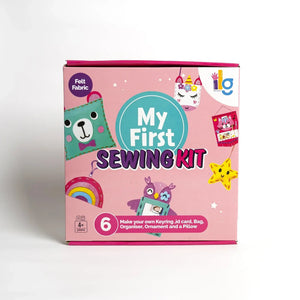
Encourage your child to draw the layout of their ideal 'galli' (lane) or design a new chariot for Lord Rama. These activities transform abstract ideas into concrete visual representations, which can then become props for further imaginative play. Consider offering a variety of activity kits that inspire such projects, moving from drawing to crafting miniature elements of their self-created worlds.
Montessori Art Activities Imagination: Tools for Narrative
Art serves as a powerful language for children, allowing them to tell stories and develop characters even before they can write extensively. Engaging in Montessori art activities imagination means providing the means for children to craft narratives visually. A child might draw a grandmother figure and then use clay to sculpt a small chai cup for her, bringing their stories to life through tangible creations.
Studies consistently show that imaginative play, heavily supported by art, enhances language development and emotional intelligence. Children who build worlds through art often create elaborate backstories and dialogues for their characters, enriching their vocabulary and narrative skills. Even working with puzzles can stimulate the spatial reasoning and sequential thinking necessary to construct coherent imaginary worlds.
Using Art Supplies for Imaginative Play: Practical Tips for Parents
For parents eager to foster imagination, integrating using art supplies for imaginative play requires a thoughtful, Montessori-inspired approach:
- Create an Inviting Art Nook: Designate a special corner, perhaps near a window in your living room or balcony, where art supplies are neatly organised and easily accessible. A small table, child-sized chair, and a tray with paper, crayons, and a few paint colours invite independent work.
- Offer Choices, Not Overwhelm: Provide a curated selection of materials rather than an overflowing art bin. Rotating supplies periodically keeps interest fresh without causing decision fatigue. Simple, high-quality materials are more effective than numerous flashy options.
- Observe, Don't Direct: When your child is creating, resist the urge to instruct or correct. Instead, observe their process and offer encouraging comments like, "I see you're using many bright colours today!" or "Tell me about your drawing." This validates their efforts and self-expression.
- Value the Process, Not Just the Product: In Montessori, the journey of creation is paramount. Celebrate their dedication, focus, and joy in making, rather than just the final artwork. This shifts their motivation from external approval to internal satisfaction.
- Integrate Art into Daily Life: Encourage your child to use art to reflect their daily experiences. They could draw about a visit to the local market, illustrate a family story told by a grandparent, or design a greeting card for a festival. This connects their art to their personal world, making it more meaningful and integrated.
Remember, the goal is not to produce a masterpiece, but to nurture a mind that sees possibilities, invents solutions, and delights in the power of its own imagination. SkilloToys.com offers a curated selection of educational materials designed to support every stage of your child's creative journey.
- Montessori imaginative play art supplies are essential for developing creative world-building in children.
- Art activities, particularly open-ended ones, significantly enhance cognitive flexibility and divergent thinking from an early age.
- Children use art to visually construct imaginary narratives, characters, and environments, fostering language and emotional intelligence.
- Providing a curated selection of easily accessible art supplies encourages independent and imaginative play.
- Observing and valuing the child's creative process over the final product is a core Montessori principle for fostering imagination.
- Integrating art into daily life connects creative expression to personal experiences, deepening its impact on development.
What kind of art supplies are best for Montessori imaginative play?
Open-ended art supplies like non-toxic crayons, washable paints, playdough, and various paper types are best. These materials allow children freedom to create without predefined outcomes, fostering true imagination and exploration.
How does art support creative world-building in a Montessori setting?
In Montessori, art provides children with tools to manifest their internal worlds externally. By drawing maps, crafting characters, or building miniature environments, they develop critical thinking, spatial reasoning, and narrative skills essential for imaginative world-building.
At what age can children start using art supplies for imaginative play?
Children as young as 18-24 months can begin exploring art supplies safely, with supervision. Introducing materials like large crayons and playdough allows toddlers to experiment with texture and form, laying the groundwork for more complex imaginative play.
How can I encourage my child's imagination without directing their art?
Encourage imagination by providing a rich environment and observing, rather than directing. Ask open-ended questions like, 'Tell me about what you've created?' instead of 'What is that?', valuing their process and unique interpretations.
Are specific art activities better for developing imagination?
Activities that encourage open-ended exploration are superior. Drawing fantastical creatures, designing dream homes, or creating props for a puppet show allows children to lead their own creative journeys, significantly boosting imaginative capacity.
Harnessing the power of art supplies within a Montessori framework is a beautiful way to nurture the boundless imagination of your child. By providing them with the tools and the freedom to create, you're not just fostering artistic talent; you're building a foundation for critical thinking, emotional intelligence, and a lifelong love of learning. Explore our range of Montessori learning materials and toys at SkilloToys.com and empower your child's next big adventure in world-building!