Montessori Mainstream Creativity: A Parent's Guide
Montessori mainstream creativity is achieved by integrating imaginative and original thought processes directly into every aspect of a child's learning journey, moving it beyond elective activities and into the core curriculum. This holistic approach, pioneered by Dr. Maria Montessori, ensures that creativity is not just an outcome but a fundamental method of engagement, crucial for developing well-rounded thinkers ready for a dynamic world. It allows children in Indian homes to explore their inner genius naturally.
Montessori mainstream creativity defines a pedagogical approach where children's innate drive for discovery and original expression is woven into daily learning, rather than being treated as a separate subject. This matters because it fosters intrinsic motivation and problem-solving skills, essential for a child's future success. Indian parents can implement this by providing purposeful environments and encouraging self-directed exploration.
The Prepared Environment: Nurturing Creative Learning Montessori
The cornerstone of Montessori mainstream creativity lies within the meticulously prepared environment, a space thoughtfully designed to invite exploration and independent thought. Unlike traditional settings where creativity might be confined to an art class, a Montessori environment seamlessly integrates opportunities for original expression into every corner of a child’s world. Research shows that children thrive in spaces that offer both freedom and structure, allowing their imaginations to soar while building foundational skills.
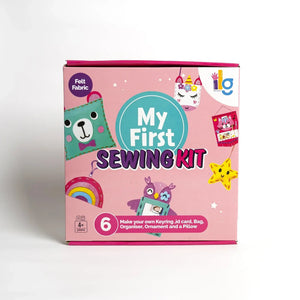
Imagine your child in a serene room, much like a well-organised home study, where every material is within reach and has a purpose. This setup empowers them to choose activities based on their interests, fostering a deep sense of ownership and engagement. For Indian parents navigating busy households, creating a "Yes" space at home, perhaps a dedicated corner with engaging activity kits, can significantly boost creative exploration, echoing the principles of Montessori learning.
This self-directed engagement is crucial. When children, especially those aged 3-6, freely choose their work, they develop concentration and problem-solving skills, which are fundamental building blocks for creative thinking. This isn't just about art; it’s about creatively approaching a math problem, constructing a story, or even devising a new way to tidy up their toys – skills invaluable in a joint family setting where adaptability is key.
Freedom Within Limits: Integrating Imagination Montessori
Montessori education champions "freedom within limits," a principle vital for integrating imagination into daily learning, rather than isolating it. Children are encouraged to choose their activities and work at their own pace, fostering a deep, internal motivation that fuels creative expression. This differs significantly from prescriptive teaching methods, often seen in high-pressure school systems in India, where strict adherence to instructions can inadvertently stifle original thought.
Studies indicate that children who experience autonomy in their learning develop stronger executive functions and a greater capacity for imaginative play. When a child can freely explore how a puzzle fits together, or even how to use a practical life tool like a spoon, they are not just performing a task; they are engaging their minds creatively to solve a problem. This iterative process of trying, failing, and self-correcting is the bedrock of innovative thinking.
For example, a child working with the Pink Tower is not just stacking blocks; they are visually discerning, spatially reasoning, and perhaps even imagining it as a tower for a miniature doll, or a skyscraper in Bengaluru. This internal imaginative narrative transforms a simple exercise into a profound learning experience, allowing their unique perspective to flourish without external judgment or pressure to conform.
The Role of Concrete Materials: Montessori Principles for Creativity
A defining aspect of Montessori principles for creativity is the use of concrete, self-correcting learning materials. These beautifully crafted objects, from the tactile Sandpaper Letters to the intricate Geometric Cabinet, allow children to physically manipulate concepts, building a robust foundation for abstract creative thought. This hands-on engagement activates multiple senses, deepening understanding and making learning inherently more engaging than rote memorisation.
Child development experts emphasize that sensory experiences are critical for brain development and imagination in early childhood (0-6 years). When a child feels the texture of the Sandpaper Letters, they are not just learning an alphabet; they are engaging their senses in a creative act of discovery, linking touch, sound, and visual form. This builds a rich mental library from which future imaginative ideas can spring.
By engaging with these Montessori learning materials, children naturally move from the concrete understanding of an object to the abstract concept it represents, such as mathematical relationships or language patterns. This methodical yet open-ended approach ensures that creativity isn't a nebulous concept but a practical skill honed through purposeful interaction, much like an artisan perfecting their craft for a festival.
Observation and Individualized Learning: Montessori Education Creativity
Central to Montessori education creativity is the profound practice of observation. Instead of dictating what and how a child should learn, Montessori educators and parents are guided to observe the child's natural interests, developmental stage, and emerging creative expressions. This allows for an individualized learning path that truly resonates with the child, nurturing their unique spark rather than trying to fit them into a predefined mould.
Maria Montessori herself observed that children possess an "absorbent mind" and an innate drive to learn and create, if only given the right conditions. This means trusting the child's process, even when it looks unconventional. If a child, for instance, decides to use blocks to build an elaborate Ganesha pandal instead of a simple tower, a Montessori approach encourages this imaginative interpretation, valuing the creative process over a pre-determined outcome.
This respect for the child's individual creative journey helps to mainstream creativity by validating it as a natural, essential part of development, not a sporadic event. It's akin to the wisdom of Indian grandparents, who patiently guide and support without imposing, allowing the younger generation to find their own creative voice and flourish within the family's cultural fabric.
Key Takeaways
- Montessori mainstream creativity integrates imaginative thinking directly into daily learning, making it a core skill, not a marginal activity.
- The prepared environment fosters creativity by offering freedom within limits and access to engaging, purposeful materials.
- Children develop innovative problem-solving skills through self-directed work and the opportunity to self-correct.
- Concrete Montessori materials build a strong foundation for abstract creative thought by engaging multiple senses.
- Observation and individualized learning validate and nurture each child's unique creative expressions, allowing them to flourish.
- This approach empowers Indian children to become adaptable, imaginative thinkers, ready for future challenges.
How does Montessori support creativity in young children (0-6 years)?
Montessori supports creativity in young children by providing a rich, prepared environment with purposeful, self-correcting materials. This allows children to explore freely, make choices, and engage in hands-on activities that foster imaginative problem-solving and original expression from an early age, typically between 18 months and 6 years.
Can Montessori principles be applied at home to foster creativity in an Indian context?
Yes, Montessori principles are highly adaptable for Indian homes to foster creativity. Parents can create a 'yes space' with accessible, engaging materials, encourage self-directed play, and practice observation to understand their child's interests. This integrates creative learning into daily routines, celebrating individuality amidst family life.
What is the difference between Montessori creativity and traditional art classes?
Montessori creativity is embedded across all subjects and activities, promoting original thought in math, language, and practical life, not just art. Traditional art classes often focus on specific techniques or outcomes, whereas Montessori values the process of creative exploration and self-expression as integral to all learning experiences.
How do Montessori materials encourage imagination?
Montessori materials encourage imagination by being open-ended and self-correcting, allowing children to interact with them in multiple ways. While designed for specific purposes, their tactile and concrete nature sparks internal creative narratives, helping children build abstract concepts and invent new applications, fostering a deep imaginative connection.
Does Montessori creativity mean children can just do whatever they want?
No, Montessori creativity operates within "freedom within limits." Children have the freedom to choose activities and explore, but within a structured, respectful environment that encourages purposeful engagement and respect for materials and others. This framework channels creative energy constructively, promoting self-discipline alongside imagination.
How does Montessori address the pressure for academic results common in India while fostering creativity?
Montessori addresses academic pressure by building a strong, intrinsic foundation for learning and critical thinking, which naturally supports academic success while fostering creativity. By allowing children to learn at their own pace and master concepts through hands-on engagement, it develops deep understanding and problem-solving skills, making learning meaningful and reducing the need for rote memorisation.