Montessori Strategies: Mainstreaming Creativity Daily
To effectively make creativity mainstream in a child's daily learning, Montessori strategies for mainstream creativity focus on cultivating an environment rich in self-directed exploration and purposeful engagement. This involves providing open-ended materials and respecting a child's natural drive to create, ensuring imaginative thinking becomes an intrinsic part of their everyday growth. Indian parents can implement this by structuring their home environment to encourage independent discovery and artistic expression.
Mainstreaming creativity in Montessori learning means embedding imaginative problem-solving and original thought into every aspect of a child's daily routine, not just dedicated art time. This matters immensely because it fosters adaptable thinkers ready for real-world challenges, as emphasized by experts like Luxor MD's recent call in Forbes India for creativity to move from the margins to the mainstream of learning. Indian parents can achieve this by consciously integrating opportunities for creative expression throughout their child's independent activities and play, mirroring initiatives like KidZania India's partnership with Magic Bus Foundation to bring empathy and creative expression to life for children.
Crafting the "Prepared Environment" for Imagination
Integrating creativity in Montessori learning begins with the prepared environment, a cornerstone of the Montessori philosophy. This means thoughtfully arranging your child's living and learning spaces to invite exploration, curiosity, and independent activity, making it a powerful Montessori strategy for mainstream creativity. In an Indian home, this could mean dedicating a small, accessible corner for learning, much like a puja ghar for spirituality, where materials are within reach and beautifully presented.
Child development experts agree that a well-ordered environment reduces cognitive load, allowing a child's mind to focus on creative tasks. Ensure materials are organized, clean, and appealing, perhaps using colourful baskets or low shelves that your little one can easily access. This subtle invitation to engage is crucial for nurturing a child's intrinsic motivation to create.
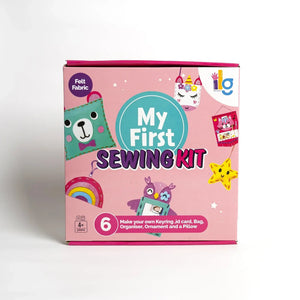
Consider placing activityKits or a simple drawing station with crayons and paper where your child naturally spends time. This seamless integration ensures that creative expression isn't a scheduled chore but an organic part of their day, whether they are playing independently or observing a grandparent.
Empowering Choice: The Core of Creative Exploration
Daily creative learning Montessori thrives on empowering children with choices within a structured environment. When children choose their activities, they become deeply invested, leading to more profound engagement and imaginative problem-solving. This freedom within limits is fundamental to making creativity mainstream at home, fostering a sense of ownership over their learning journey.
Studies indicate that children given autonomy in their learning exhibit higher levels of intrinsic motivation and creative output. Offer a selection of two or three appropriate tasks or materials, allowing your child to decide what they want to work with. This simple act respects their burgeoning will and intellectual curiosity, paving the way for unique expressions.
For instance, instead of dictating "draw a house," you might suggest, "Would you like to explore colours with paints or build a story with puzzles today?" This approach not only encourages their preferences but also subtly guides them towards constructive, imaginative play, proving to be an effective Montessori strategy for mainstream creativity.
The Power of Open-Ended Materials: Fueling the Creative Spark
Montessori educational toys creativity is fundamentally nurtured through open-ended materials that allow for multiple uses and interpretations. Unlike single-purpose toys that dictate how a child should play, open-ended materials encourage children to invent their own games, stories, and solutions. Research shows that children engaged in open-ended play develop stronger problem-solving skills and demonstrate increased divergent thinking abilities.
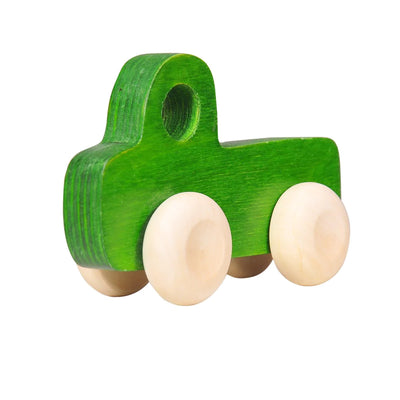
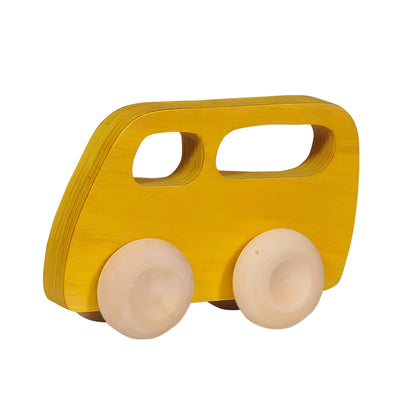
Consider simple blocks, clay, natural elements like pebbles and leaves, or even fabric scraps; these items transform in a child's hands. For a 3-year-old, a set of wooden blocks can be a castle one day and a bustling market street the next, embodying true Montessori educational toys creativity. This flexibility stimulates the imagination far more than toys with pre-determined outcomes, fostering a continuous loop of ideation and execution.
SkilloToys.com's range of Montessori Method Learning Materials & Toys is designed with this principle in mind, offering tools like the Pink Tower or Sandpaper Letters which, while structured, invite children to think abstractly and connect concepts creatively. These materials encourage a deep engagement that transforms learning into an imaginative quest.
Integrating Creativity into Practical Life and Sensorial Activities
Making creativity mainstream at home extends beyond dedicated "art time" and seamlessly integrates into daily chores and sensorial exploration. In a Montessori context, practical life activities are not just about developing independence; they are rich opportunities for creative thinking. For an Indian child, helping their Dadi make garlands for a festival, arranging flowers, or sorting pulses are all tasks that can spark creativity.
When a child is learning to pour water, they might experiment with different pouring techniques or notice how water flows and splashes – these are micro-moments of creative discovery. Similarly, sensorial activities like pairing colour tablets or exploring geometric solids encourage keen observation and classification, which are foundational skills for innovative thought. Experts assert that such hands-on, purposeful activities directly stimulate neural pathways associated with creativity.
Encourage your child to find new uses for household items or to improvise solutions for small challenges, such as how to carry multiple small items without a basket. This empowers them to think outside the box, reinforcing the idea that creativity is a skill applicable to all aspects of life, not just artistic endeavours.
Celebrating the Process, Not Just the Product
A crucial Montessori strategy for mainstream creativity is to shift focus from the perfection of the end product to the joy and effort involved in the creative process itself. In a culture where academic achievement often overshadows creative exploration, this mindset shift is particularly vital for Indian parents. Encourage experimentation, embrace mistakes as learning opportunities, and praise the child's dedication and imaginative effort.
When your child shows you a drawing, instead of immediately saying "That's beautiful!" try "Tell me about your drawing. What did you enjoy making the most?" This open-ended questioning values their journey and thought process, reinforcing their self-worth as a creator. It teaches them that the act of creation is valuable, regardless of the outcome.
This approach builds resilience and encourages children to take creative risks without fear of failure. It cultivates a growth mindset, essential for lifelong learning and innovation, ensuring creativity is not just a skill but a core part of their identity. By celebrating every scribble, every wonky construction, and every new idea, you embed creativity deeply into their everyday being.
Embracing daily Montessori strategies for mainstream creativity transforms your home into a dynamic hub of learning and imagination. By preparing an inviting environment, empowering choices, offering open-ended materials, integrating creativity into practical life, and celebrating the process, you are not just teaching your child; you are nurturing a future innovator, ready to navigate the world with a unique perspective. Begin today, and watch your child's creative spirit soar!
- Montessori strategies for mainstream creativity focus on cultivating self-directed exploration and purposeful engagement.
- The "prepared environment" with accessible, aesthetically pleasing materials is crucial for inviting imagination.
- Empowering children with choices in their activities fosters deeper engagement and imaginative problem-solving.
- Open-ended materials are essential for encouraging diverse uses and stimulating creative thinking beyond predefined outcomes.
- Integrating creativity into practical life and sensorial activities builds foundational skills for innovative thought.
- Celebrating the creative process, rather than solely the product, fosters resilience and encourages risk-taking in children.
How does Montessori define creativity in a child's learning?
Montessori defines creativity not merely as artistic expression but as an innate capacity for problem-solving, innovation, and original thought, stemming from self-directed exploration. It views creativity as integral to all learning, fostering adaptability and independent thinking from a young age.
What age is best to start integrating creativity with Montessori principles?
Integrating creativity with Montessori principles can begin as early as infancy, by providing a stimulating yet ordered environment. Toddlerhood (18-36 months) is particularly crucial, as children begin to actively explore their surroundings and develop fine motor skills through purposeful play.
Can I foster creativity using Montessori strategies without many expensive Montessori materials?
Absolutely. While specific Montessori materials are excellent, the core of Montessori strategies for mainstream creativity lies in the philosophy: observe the child, prepare the environment, and allow freedom within limits. Everyday household items, natural elements, and simple art supplies can be incredibly effective.
How do Montessori practical life activities foster creativity?
Montessori practical life activities, such as pouring, sweeping, or preparing food, build concentration, coordination, and independence, which are foundational to creative thinking. As children master these skills, they gain the confidence and mental space to apply imaginative solutions to new challenges and tasks.
How can Indian parents balance academic pressure with creative freedom for their children?
Indian parents can balance academic pressure with creative freedom by integrating creativity directly into daily routines, not just as a separate activity. By prioritizing open-ended play, encouraging independent exploration, and celebrating effort over outcome, children develop both academic skills and innovative thinking simultaneously.