Shifting Creativity from Margins to Mainstream: An Indian Imperative
Shifting creativity from the margins to the mainstream in Indian education is no longer an option but a critical imperative for nurturing future-ready children capable of innovation and adaptive thinking. Research consistently shows that integrating creative expression early significantly enhances problem-solving skills and emotional intelligence, essential for navigating a rapidly changing world. Indian parents can proactively advocate for and implement creative learning at home, fostering a foundational mindset for their children that extends beyond textbooks.
What does shifting creativity from margins to mainstream truly mean? Shifting creativity from margins to mainstream means elevating creative thinking from an optional, extra-curricular activity to a core component of daily learning and assessment. This matters immensely because it equips Indian children with vital skills for future careers, moving beyond rote memorisation. Parents can champion this by prioritising holistic development.
This urgency resonates deeply with recent discussions, including Luxor MD's insightful statement in Forbes India, emphasising that creativity must move from the mainstream of learning. Such a shift is vital for fostering innovators, not just test-takers, especially as initiatives like KidZania India and Magic Bus Foundation actively bring empathy and creative expression to life for children, as reported by Adgully.com and Tripura Star News. Furthermore, The Times of India recently highlighted creative activities parents can use to help children open up emotionally, underscoring the broad impact of creative cultivation.
Why Creativity is Ignored in Indian Schools
The traditional Indian education system, often burdened by large class sizes and an overwhelming emphasis on rote memorisation, has historically relegated creativity to an afterthought. This deep-seated focus on standardized tests and academic rankings, driven by societal and parental pressures, frequently leaves little room for open-ended exploration and imaginative play. Consequently, children are often encouraged to conform rather than to question, to reproduce rather than to invent, stifling their innate creative impulses from an early age.
Research indicates that over 80% of Indian students report feeling significant academic stress, a direct result of an education system that prioritises performance in exams over holistic skill development. This environment, while aiming for academic excellence, inadvertently marginalises crucial aspects of child development such as imaginative thinking and problem-solving, which are often perceived as distractions rather than core competencies. Shifting this mindset requires a fundamental re-evaluation of educational priorities across the nation.
The Critical Rationale for Making Creativity Core Learning
Making creativity a core component of learning is indispensable for preparing Indian children for the complexities of the 21st century. The World Economic Forum identifies creativity as one of the top three skills essential for future workforces, highlighting its critical role in innovation, adaptability, and complex problem-solving. As Luxor MD aptly noted in Forbes India, moving creativity into the mainstream isn't just about art; it's about fostering agile minds ready to lead and innovate.
Creative thinking underpins every major breakthrough, from scientific discoveries to artistic masterpieces, and cultivating it from childhood ensures that India's future generations are equipped not just to participate but to excel on the global stage. It builds resilience, encourages critical thinking, and develops emotional intelligence, allowing children to express themselves authentically and navigate challenges with innovative solutions. This shift empowers them to become creators of their destiny, not just followers.
Montessori's Approach to Mainstream Creativity
The Montessori philosophy, championed by Dr. Maria Montessori, offers a profound framework for naturally integrating creativity into a child's learning journey, proving that creativity is not just an 'add-on' but an an inherent part of development. It advocates for a 'prepared environment' where children, especially those between 18-24 months and beyond, are given the freedom to explore and interact with purpose-designed materials, fostering independence and imaginative thought. This hands-on, self-directed approach cultivates creativity indirectly by building foundational skills and a deep understanding of concepts.
Montessori materials, such as the Pink Tower or Sandpaper Letters, while appearing academic, inherently develop logical sequencing, spatial awareness, and fine motor skills – all crucial precursors to creative expression and problem-solving. Children learn to think outside the box by manipulating these tools, discovering patterns, and making connections themselves, rather than being told. This approach ensures that imagination isn't confined to art class but flourishes through every interaction, laying the groundwork for truly innovative minds. Explore our range of Montessori materials designed to spark this natural curiosity.
Practical Steps for Indian Parents to Nurture Creativity at Home
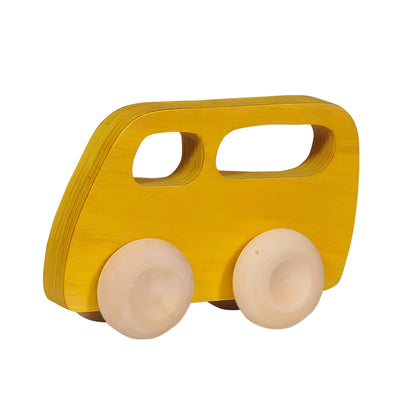
Indian parents, often juggling busy schedules and family expectations, can still powerfully nurture their child's creativity right within their homes and joint families. Start by prioritising open-ended play with materials like building blocks, clay, or watercolours, which allow children to dictate the narrative and outcome. These seemingly simple activities encourage imaginative storytelling and critical thinking, moving beyond toys with pre-defined uses.
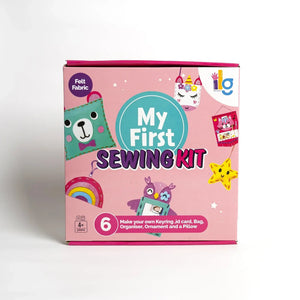
Encourage children to engage in traditional Indian art forms, like rangoli, or help with festival decorations, blending cultural heritage with creative expression. Grandparents, with their wealth of stories and experiences, can become invaluable resources for inspiring imaginative narratives. Providing a safe space for experimentation, where mistakes are seen as learning opportunities, is paramount. Consider our activity kits for engaging hands-on projects or our collection of puzzles that encourage logical and creative problem-solving.
- Shifting creativity from the margins to the mainstream is vital for nurturing future-ready Indian children capable of innovation and adaptive thinking.
- Traditional Indian education often neglects creativity due to an overwhelming emphasis on rote learning and exam performance.
- The World Economic Forum identifies creativity as a top skill for future workforces, underscoring its indispensable role in global competitiveness.
- Maria Montessori's philosophy naturally integrates creativity through prepared environments and hands-on, self-directed exploration of purpose-designed materials.
- Indian parents can foster creativity at home through open-ended play, cultural activities like festival decorations, and encouraging imaginative storytelling.
- Moving creativity into core learning fosters resilience, critical thinking, and emotional intelligence, empowering children to become innovative problem-solvers.
Why is shifting creativity from margins to mainstream important for Indian children?
Shifting creativity is crucial for Indian children because it equips them with 21st-century skills like critical thinking, problem-solving, and adaptability, moving beyond rote learning. This prepares them for a rapidly evolving global landscape and future job markets, fostering innovators rather than just test-takers.
What does the Montessori approach say about mainstreaming creativity?
The Montessori approach fundamentally integrates creativity into every aspect of learning by providing a prepared environment where children freely explore purpose-designed materials. It nurtures creativity indirectly through hands-on discovery, independence, and the development of foundational skills, making it an intrinsic part of development, not an isolated subject.
How can parents integrate creativity into daily life in an Indian household?
Indian parents can integrate creativity by encouraging open-ended play with simple materials, involving children in cultural activities like festival decorations or rangoli, and fostering storytelling sessions, especially with grandparents. Providing a space for experimentation and celebrating the process over the perfect outcome helps nurture imaginative minds within a joint family setting.
Is creativity truly more important than academic scores in India?
Creativity is not necessarily "more" important than academic scores but is equally vital, especially in the long term, for comprehensive development. While academic scores indicate knowledge acquisition, creativity signifies the ability to apply, innovate, and adapt, which are indispensable for future success and personal well-being beyond traditional education.
How does the Luxor MD creativity vision relate to this discussion?
Luxor MD's vision, as featured in Forbes India, directly aligns by advocating for creativity to move from the margins to the mainstream of learning, echoing the urgent need for this shift. This highlights a growing recognition among industry leaders that fostering creative thinking is paramount for nurturing innovative talent in India, moving beyond conventional educational paradigms.