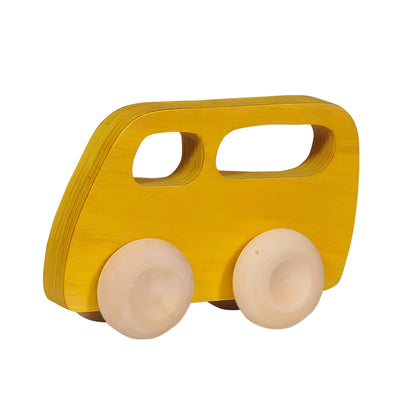
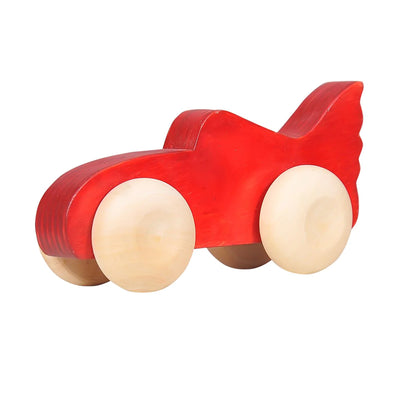
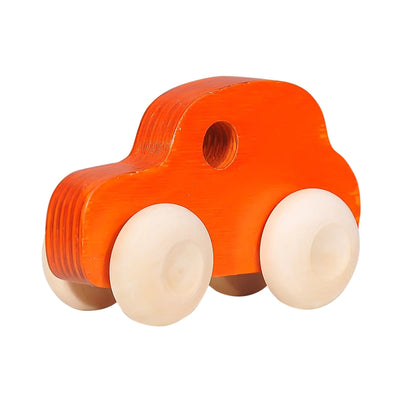
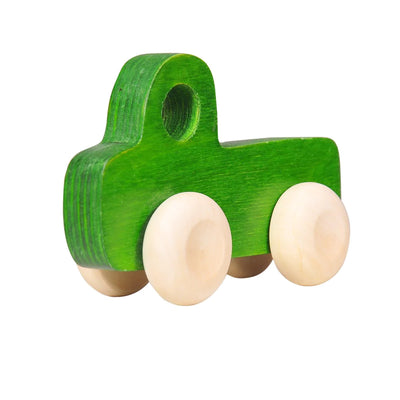
Sustainable Indian Toys for Creative Play
Sustainable Indian toys for creative play are essential for nurturing a child's imagination and cognitive growth by providing open-ended, natural materials that encourage exploration and problem-solving. Research shows that engaging with thoughtfully designed, eco-friendly toys significantly enhances a child's ability to innovate and express themselves freely. For Indian families, this means choosing playthings that not only entertain but also resonate with our cultural values of respect for nature and craftsmanship, fostering a deep connection to their surroundings.
In today's fast-paced world, where screens often dominate, the simplicity and profound impact of well-designed, traditional toys are more crucial than ever. They provide a vital counterbalance, allowing children to develop at their own pace and discover the joy of self-directed learning.
What is Sustainable Indian Toy Design?
Sustainable Indian toy design involves creating educational playthings using locally sourced, natural materials with minimal environmental impact, often inspired by traditional Indian craftsmanship. This matters because it provides children with safe, durable, and culturally resonant tools for development, while supporting local artisans and preserving the environment. Indian parents can choose toys that reflect their heritage and values, ensuring a healthier planet for future generations.
The recent focus on 'Indian Toy Design- Presentation Stage 1 By Nikita Fatarpekar' underscores a growing national commitment to promoting indigenous, sustainable practices. This movement champions toys that are not just playthings but pedagogical tools, embodying a philosophy that is deeply aligned with Montessori principles.
Why Thoughtful Indian Toy Design Sparks Imagination
Thoughtful Indian toy design prioritizes open-ended play, which is critical for fostering imagination. Unlike battery-operated toys that dictate interaction, a simple wooden spinning top or a set of clay pots invites a child to create their own stories, rules, and outcomes. This kind of unrestricted play is where true creativity blossoms.
Child development experts agree that children learn best through active engagement and exploration. When a child manipulates natural materials, they are not just playing; they are experimenting with physics, understanding textures, and developing fine motor skills. These experiences are fundamental building blocks for imaginative thinking and problem-solving, much like exploring our curated activity kits.
Eco-Friendly Toys India: A Path to Creative Play Benefits
Choosing eco-friendly toys in India means opting for products made from materials like sustainably harvested wood, organic cotton, non-toxic dyes, and even recycled waste. These choices protect our planet and ensure that children are not exposed to harmful chemicals, offering parents peace of mind.
Beyond safety, these natural materials offer unique sensory experiences. The feel of smooth wood, the texture of hand-woven fabric, or the earthy scent of terracotta engages a child's senses in a way plastic often cannot. Research shows that diverse sensory input during early childhood is vital for neural development, directly contributing to enhanced creativity and cognitive flexibility.
Montessori Sustainable Toys: Cultivating Independence and Creativity
Montessori education, pioneered by Maria Montessori, champions materials that are natural, simple, and purposeful. This philosophy naturally aligns with sustainable toy design. Montessori sustainable toys are designed to be self-correcting, allowing children (from 18-24 months and beyond) to learn through discovery and develop independence, like working with a pink tower or sandpaper letters.
These materials invite children to engage deeply, focusing on a single task and building concentration—a cornerstone for creative endeavors. When a child meticulously works on a wooden puzzle, they are not just fitting pieces; they are developing spatial reasoning and a deep satisfaction from self-accomplishment, which are powerful motivators for continued imaginative exploration. Discover our full range of Montessori learning materials that exemplify this.
Integrating Traditional Indian Craftsmanship into Modern Play
Many sustainable Indian toys draw inspiration from rich traditions, incorporating elements like Channapatna wooden lacquerware, Kondapalli toys, or ethical textile crafts. This blend introduces children to their cultural heritage in a tangible way, fostering a sense of pride and connection to their roots.
For grandparents and parents alike, these toys offer a beautiful bridge between generations, sparking conversations about traditional stories and art forms. This cultural immersion enhances a child's imaginative play, as they might weave tales inspired by the very craftsmanship of their toys. Incorporating such toys into daily play, especially during festivals or family gatherings, enriches the learning experience significantly.
Empowering Parents: Making Sustainable Choices for Future Innovators
As parents in India, we constantly strive to provide the best for our children, balancing academic pressures with holistic development. Opting for sustainable Indian toys is a powerful step towards raising innovative and empathetic thinkers. By choosing toys that are eco-friendly and thoughtfully designed, we are teaching our children valuable lessons about environmental responsibility and the beauty of creation.
Statistics indicate a growing awareness among Indian parents, with a significant percentage prioritizing sustainable and educational products for their children. By supporting local artisans and ethical brands, we are not just buying toys; we are investing in a healthier planet and nurturing a generation of imaginative leaders. Whether it's through engaging puzzles or open-ended building blocks, every choice matters.
- Sustainable Indian toys foster creativity by promoting open-ended, child-led play.
- Natural materials in eco-friendly toys provide crucial sensory stimulation for brain development.
- Montessori principles, focusing on purposeful, durable materials, align perfectly with sustainable design.
- Thoughtful toy design from India connects children with their cultural heritage and traditional craftsmanship.
- Choosing sustainable toys contributes to environmental protection and supports local artisan economies.
- Engaging with natural toys enhances problem-solving skills, concentration, and independence in children.
What makes an Indian toy sustainable?
An Indian toy is considered sustainable when it uses locally sourced, natural, and non-toxic materials like wood, cotton, or terracotta, is handcrafted, durable, and biodegradable. This approach minimizes environmental impact and often supports local artisan communities.
How do sustainable toys encourage creativity?
Sustainable toys, especially those with open-ended designs, encourage creativity by allowing children to dictate their play, invent scenarios, and explore multiple uses for a single item. Their simplicity and natural textures stimulate sensory development and imaginative thinking without prescribing specific outcomes.
Are Montessori toys inherently sustainable?
Yes, Montessori toys are largely inherently sustainable due to their emphasis on natural materials, durability, and open-ended design. Maria Montessori advocated for simple, beautiful, and purposeful materials that last for generations, aligning perfectly with sustainable principles.
Where can Indian parents find eco-friendly toys?
Indian parents can find eco-friendly toys at specialized stores like SkilloToys.com, local artisan markets, and online platforms focusing on sustainable and handcrafted products. Look for certifications or clear descriptions of materials and production processes.
What are the benefits of choosing sustainable Indian toys?
Choosing sustainable Indian toys offers numerous benefits, including fostering creativity, promoting environmental consciousness, supporting local economies, and ensuring safer play for children due to non-toxic materials. They also connect children with India's rich cultural heritage through design and craftsmanship.