Telugu Letters with Pictures: A Creative Montessori Guide
Learning Telugu letters with pictures through a Montessori approach transforms early language acquisition into an engaging, multi-sensory experience for Indian children. This method definitively fosters both literacy and a love for regional culture by linking visual cues with phonetic sounds. Child development experts agree that introducing alphabets creatively significantly boosts retention and comprehension.
Creative Telugu learning using a Montessori approach involves hands-on activities, sensorial exploration, and self-directed discovery to introduce the Telugu alphabet. This method matters because it caters to a child's natural curiosity and developmental stages, making learning joyful and effective. Indian parents can empower their children with this foundational regional language skill through playful engagement.
Nurturing a Love for the Montessori Telugu Alphabet
Introducing the Montessori Telugu alphabet goes beyond rote memorisation; it's about igniting a lifelong passion for language. Research indicates that children exposed to a second language before the age of 5 exhibit enhanced cognitive flexibility and problem-solving skills. Maria Montessori emphasised that children learn best by doing, making tangible materials indispensable for understanding abstract concepts like letters.
In many Indian homes, where grandparents often share rich stories and traditions, a child's ability to communicate in their mother tongue becomes a bridge across generations. This not only strengthens family bonds but also provides a deeper connection to cultural roots during festivals and daily life. Creating a stimulating learning environment, perhaps inspired by clever kids' room designs from Architectural Digest India, can further encourage this natural curiosity.
Hands-On Exploration for Creative Telugu Learning
For truly creative Telugu learning, engagement must be multi-sensory. The Montessori method champions materials that invite touch, sight, and even sound, making the learning process interactive and memorable. These activities help children build a strong foundation for reading and writing without pressure.
Sandpaper Letters: A Touch of Telugu
Sandpaper letters are a cornerstone of Montessori language education, and they are incredibly effective for Telugu. Children trace the textured 'అ' or 'క' with their fingers, simultaneously seeing and feeling the letter's form while hearing its sound. This tactile experience imprints the letter into their muscle memory, a powerful tool for early literacy.
You can create DIY Telugu sandpaper letters or explore SkilloToys' activityKits that often include similar materials for language development. This allows children to engage independently, repeating the tracing activity as many times as they need, reinforcing their understanding without direct instruction.
Storytelling with Telugu Letters with Pictures
Integrating Telugu letters with pictures into storytelling transforms passive listening into an active learning adventure. Pair each letter with a familiar object or animal whose name starts with that letter, creating vibrant flashcards. For example, 'అ' for 'అమ్మ' (Amma/Mother) or 'క' for 'కారు' (Kāru/Car).
Encourage children to create their own stories using these picture cards, linking letters to narratives they enjoy. This creative activity, much like the imaginative play encouraged by Funskool's new ranges, not only teaches the alphabet but also fosters imagination, vocabulary, and early narrative skills, as highlighted by articles on creative activities for emotional development in The Times of India.
Selecting Telugu Educational Toys for Kids
Choosing the right Telugu educational toys for kids is crucial for a Montessori-inspired learning journey. The best toys are those that are open-ended, allow for self-correction, and appeal to a child's innate desire to explore. These are not just playthings but tools for cognitive growth.
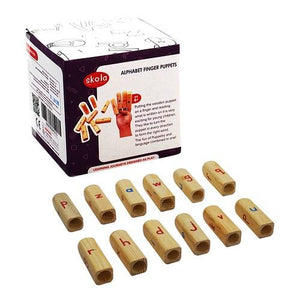
Look for wooden puzzles featuring Telugu letters, where each piece fits uniquely, teaching shape recognition alongside letter forms. Our puzzles collection offers a range of options that can be adapted for language learning. Magnetic Telugu letter sets also provide endless opportunities for children to form words on a fridge or magnetic board, experimenting with letter combinations.
A study published in the Journal of Child Language found that multi-sensory methods significantly improve letter recognition and phonetic awareness in young learners by up to 80%. This confirms the power of high-quality educational materials over simple screen-based learning.
Embracing Learn Telugu Creatively in Everyday Life
To truly learn Telugu creatively, integrate it seamlessly into daily routines and play. Label objects around the house with their Telugu names written clearly. Sing Telugu rhymes and songs together, focusing on the sounds and patterns of the language.
Encourage older family members, especially grandparents, to engage children in conversations using Telugu. This informal learning environment is incredibly powerful, reinforcing classroom learning and making the language feel alive and relevant. SkilloToys' main collection of Montessori method learning materials can support this holistic approach to language acquisition.
Remember, the goal is not just to teach letters but to cultivate a joyful relationship with language. When children see learning as an adventure, they develop curiosity, resilience, and a love for discovery that extends far beyond the alphabet. This foundation empowers them to confidently navigate their world, rooted in their rich Indian heritage.
- Introducing Telugu letters with pictures through Montessori methods significantly boosts early literacy.
- Multi-sensory engagement, like sandpaper letters, helps children feel and learn Telugu letter forms.
- Creative activities like storytelling with picture cards enhance imagination and vocabulary in Telugu.
- Research shows early regional language exposure improves cognitive flexibility in young children.
- Selecting open-ended Telugu educational toys fosters self-directed and effective learning experiences.
- Integrating Telugu into daily life and family interactions strengthens cultural connections and language retention.
Why is it important for children to learn regional languages like Telugu?
Learning regional languages like Telugu is crucial for preserving cultural heritage, strengthening family bonds, and enhancing cognitive development. It also helps children connect deeply with their identity and traditions, especially within a joint family setting.
What age is best to start introducing Telugu letters to a child?
Child development experts recommend introducing language concepts during the sensitive period for language, typically between 18 months and 6 years. Early exposure, even through playful activities, builds a strong foundation for future literacy.
How do Montessori principles enhance Telugu letter learning?
Montessori principles enhance learning by using multi-sensory materials, encouraging self-directed exploration, and fostering concentration. This approach transforms abstract letters into concrete, touchable, and visually engaging experiences, promoting deeper understanding.
Can screen time be incorporated into learning Telugu letters?
While hands-on activities are paramount, limited, supervised screen time with high-quality educational apps can complement learning. However, it should always be balanced with tactile and interactive play to prevent over-reliance and ensure holistic development.
What are some simple DIY activities for teaching Telugu letters at home?
Simple DIY activities include creating sandpaper letters using cardboard and sand, making flashcards with Telugu letters and corresponding pictures, and drawing letters in rice or sand trays. These activities are engaging, low-cost, and perfectly align with Montessori principles.