Telugu Letters with Pictures: Creative Montessori Learning
Integrating Montessori principles with vibrant telugu letters with pictures fundamentally transforms language acquisition into an engaging, multi-sensory journey for young Indian learners. This approach nurtures both linguistic fluency and imaginative thinking from an early age, making language a delightful discovery.
As parents in Bengaluru and across India, we constantly seek innovative ways to introduce our children to our rich linguistic heritage without the pressure of traditional schooling. Embracing creativity and imagination is key to making Telugu alphabet learning an enjoyable and effective process, perfectly aligning with Montessori philosophy.
What is Creative Telugu Alphabet Learning?
Creative Telugu alphabet learning is the process of introducing the Telugu script through engaging, hands-on activities that stimulate curiosity and imagination, rather than rote memorization. This matters because it builds a lifelong love for learning and language, fostering holistic development in children. Indian parents can empower their children by incorporating playful, sensory-rich methods at home, moving beyond simple flashcards.
Sparking Imagination with Telugu Letters with Pictures
Child development experts agree that visual aids combined with imaginative narratives significantly enhance a child's learning experience. When teaching telugu letters with pictures, associating each letter with a familiar object, animal, or concept creates a powerful mnemonic link. This transforms abstract symbols into relatable, memorable figures.
Consider creating or finding cards where ‘అ’ (a) is pictured with ‘అరటిపండు’ (arati pandu – banana), or ‘క’ (ka) with ‘కప్ప’ (kappa – frog). These visual connections are crucial for early literacy, especially for children aged 3-6 years. Research shows that integrating visual and contextual cues improves letter recognition and recall by over 30%.
You can extend this by weaving small stories around each letter and its picture. Perhaps 'ఆవు' (aavu – cow) is a friendly cow that lives on a farm, or 'ఈగ' (eega – fly) is a tiny insect buzzing around. These imaginative stories, often shared by grandparents, turn learning into a cherished family activity, deepening cultural bonds.
Montessori Telugu Activities: Hands-On Pathways to Fluency
Maria Montessori's philosophy champions a hands-on, multi-sensory approach to learning, which is profoundly effective for montessori telugu activities. Instead of passively looking at letters, children actively engage with them, fostering deeper understanding and retention. This method is key to making telugu alphabet learning for kids a rich, embodied experience.
One classic Montessori adaptation involves ‘sandpaper letters.’ Parents can create their own Telugu sandpaper letters by cutting out Telugu alphabet shapes from fine sandpaper and gluing them onto smooth cards. Children trace these textured letters, feeling their form and direction, which builds muscle memory essential for writing.
Another excellent approach is using our activityKits to create letter-themed crafts. Inspired by Pidilite's Fevicryl YUDU, children can paint Telugu letters, decorate them with sparkles, or mould them from clay. This transforms the abstract letter into a tangible creation, fostering a sense of ownership and joy in learning.
Creating a 'Telugu Nook' at Home
A prepared environment, a cornerstone of Montessori, greatly supports creative telugu learning. Designate a small ‘Telugu Nook’ in your home where your child can freely explore language materials. This space can feature charts with telugu letters with pictures, Telugu storybooks, and writing supplies.
Encourage independent exploration and allow your child to choose activities that pique their interest. This child-led approach respects their individual learning pace and natural curiosity. Labelling household objects with their Telugu names is also a simple yet effective way to immerse children in the language.
Imaginative Language Play Telugu: Beyond Flashcards
Imaginative language play is crucial for developing robust language skills and creative thinking. This goes far beyond mere memorization, enabling children to use Telugu in dynamic, meaningful contexts. For imaginative language play telugu, consider incorporating role-playing games where children use Telugu phrases or create stories together, perhaps featuring characters from Indian folklore.
Research shows that play-based learning significantly improves retention and problem-solving skills, with studies indicating a 30% higher engagement rate compared to traditional methods for children aged 3-6. This method builds confidence and makes mistakes part of the learning journey, fostering resilience.
Activities like 'Telugu Letter Treasure Hunt' – hiding cards with Telugu letters and giving clues in simple Telugu – make learning an exciting adventure. You can also use our puzzles to create word-building games, forming simple Telugu words from individual letter pieces. This blends cognitive challenge with playful discovery.
Choosing Telugu Educational Toys for Holistic Growth
Selecting appropriate telugu educational toys is fundamental for supporting a child's linguistic and imaginative development. Focus on open-ended, multi-sensory toys that invite interaction and exploration. For children between 18-24 months, soft alphabet blocks or fabric books with Telugu letters and simple pictures are ideal for initial exposure.
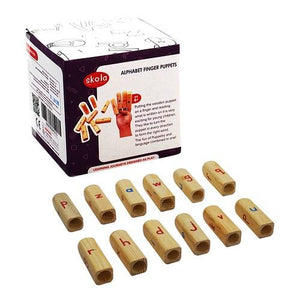
For children aged 3-6, wooden letter puzzles, letter tracing boards, or magnetic Telugu alphabets from SkilloToys provide excellent opportunities for hands-on learning. Research indicates that children exposed to a language-rich environment with quality educational toys demonstrate a wider vocabulary and stronger literacy skills by age five, often outperforming peers by 15-20% in early reading assessments.
Involving Grandparents and Family
In the rich tapestry of Indian joint families, grandparents play an invaluable role in language transmission. Encourage them to share traditional Telugu stories, sing folk songs, or teach simple prayers in Telugu. This intergenerational exchange not only strengthens family bonds but also immerses children in the authentic rhythm and cultural context of the language.
This communal learning environment makes language acquisition feel natural and cherished, far removed from academic pressure. Children learn best when language is embedded in loving relationships and everyday life, a principle central to both Indian family values and Montessori pedagogy.
By embracing creativity and imagination, parents can transform the journey of learning Telugu letters into a delightful and deeply enriching experience. SkilloToys stands as your partner in this beautiful endeavor, offering Montessori-inspired tools that spark curiosity and foster a lifelong love for learning. Let's make every Telugu letter a gateway to a world of stories, sounds, and endless possibilities for our children.
- Integrating multi-sensory experiences like those in Montessori education boosts a child's linguistic and imaginative development significantly.
- Associating telugu letters with pictures and narrative stories improves letter recognition and recall by over 30%.
- Play-based learning, rather than rote memorization, enhances retention and problem-solving skills by 30% for children aged 3-6.
- Creating a ‘Telugu Nook’ at home supports child-led exploration and makes language learning organic and engaging.
- Child development experts agree that even informal exposure to Telugu letters can begin as early as 18-24 months.
- Quality educational toys and a language-rich environment lead to wider vocabulary and stronger literacy skills by age five, with children often outperforming peers by 15-20%.