Themed Creative Play Sets: Sparking Imagination & Creativity
Themed creative play sets are powerful catalysts for sparking imagination and creativity in children, offering structured yet adaptable environments for burgeoning minds. Child development experts agree that these sets provide a unique bridge, allowing children to engage with familiar narratives while simultaneously inventing their own. For Indian parents navigating a world where mainstream character-based toys, like the newly launched Hello Kitty creative play range by Funskool, are increasingly popular, understanding their Montessori potential is key to enriching play.
What Are Themed Creative Play Sets?
Themed creative play sets are collections of toys centered around a specific concept, character, or environment, such as a farm, a doctor's clinic, or a favourite storybook world. These sets typically include figures, props, and backdrops that inspire children to engage in pretend play. They are designed to facilitate role-playing and narrative creation, laying groundwork for complex imaginative scenarios.
Building Worlds: How Character Imaginative Toys Fuel Storytelling
Research consistently shows that engaging with character imaginative toys is crucial for a child's cognitive and emotional growth. When a child like 4-year-old Rhea in a Bengaluru apartment picks up a doll and makes it talk, she's not just playing; she's developing language skills, understanding social dynamics, and processing emotions. The familiarity of characters from stories or television provides a comforting entry point into imaginative play, allowing children to re-enact known scenarios before venturing into entirely new ones.
These sets act as a canvas for storytelling. Whether it's a miniature kitchen set inspiring a bustling restaurant scene or a dinosaur kingdom encouraging epic adventures, children construct narratives that help them make sense of their world. This active narrative creation is a cornerstone of imagination, fostering an inner world where anything is possible. Studies indicate that children who frequently engage in pretend play score significantly higher on measures of creativity and problem-solving abilities.
Montessori Themed Play: Guiding Creative Exploration
While often perceived as prescriptive, themed play sets can be deeply aligned with Montessori principles when approached thoughtfully. Maria Montessori emphasised observation and allowing the child to lead their own learning. Instead of directing play, a Montessori approach encourages providing a 'prepared environment' where children can freely explore and interact with materials.
For a themed set, this means offering it as an invitation to play, not a command. Observe how your child interacts with a Montessori activity kit that has a specific theme, such as a nature exploration set. Do they use the magnifying glass to examine a toy ladybug, or do they imagine it's a tiny spaceship? The beauty lies in their interpretation. Parents can complement these sets with open-ended materials like simple wooden blocks, colourful scarves, or natural elements like pebbles and leaves, expanding the creative possibilities far beyond the original intent.
Navigating Creative Play Ranges India: Practical Tips for Parents
In India, where screen time concerns (as highlighted by the Deccan Chronicle's 'Why Play Still Matters in a Screen-Filled Childhood') and academic pressures are ever-present, creative play offers a vital emotional and developmental outlet. Here's how parents can maximise the potential of themed creative play sets:
- Observe, Don't Direct: Instead of telling your child what to do with their themed set, watch them. What stories are they creating? What problems are they trying to solve? This observation informs how you can best support their play without imposing your own ideas.
- Mix & Match Materials: Combine themed sets with versatile, open-ended materials. A 'farm' themed set can become a vibrant village fair with colourful fabric scraps, or its animals can visit a Montessori puzzle world. This encourages flexible thinking and breaks down rigid play patterns.
- Encourage 'What If' Questions: Prompt imagination with open-ended questions like, "What if the lion became friends with the sheep?" or "Where does the astronaut go after visiting the moon?" These questions spark new narrative directions and deepen engagement.
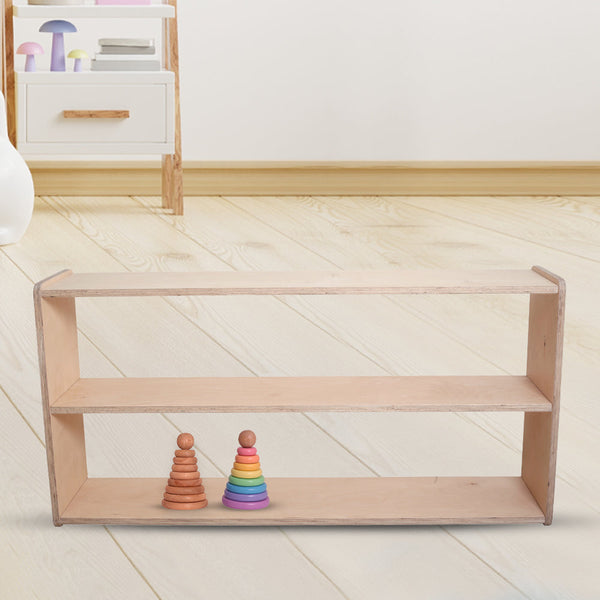
- Create a Dedicated Play Space: A clutter-free, accessible space for these sets, perhaps a small corner in the living room, signals to your child that their creative play is valued. This also echoes the Montessori principle of a prepared environment.
- Embrace Role-Playing: Join in if invited, but follow your child's lead. Playing alongside them, even briefly, can strengthen bonds and model imaginative engagement, helping children like 5-year-old Kabir, who might be shy about expressing emotions, to open up, as suggested by The Times of India's guidance on creative activities for emotional expression.
By thoughtfully integrating themed creative play sets into your child's playtime, you're not just providing entertainment; you're nurturing a fertile ground for imagination, critical thinking, and emotional intelligence. Explore our range of Montessori-inspired educational toys that encourage such rich, self-directed play.