Homeschooling Curriculum India: DIY Learning for Kids
When considering a homeschooling curriculum India-style, many parents discover that effective learning doesn't require expensive textbooks or elaborate setups. Research shows that child-led, hands-on activities, especially those crafted from everyday materials, significantly enhance engagement and foster deeper understanding for children from Bengaluru to Bhopal. This approach cultivates curiosity and problem-solving skills, making learning a joyful journey rather than a chore.
What is DIY Homeschooling for Indian Families?
DIY homeschooling is a flexible, parent-guided educational approach where learning materials and activities are largely created or adapted from common household items and local resources. This matters because it democratizes education, making high-quality, engaging learning accessible to all Indian families, regardless of budget or location. Indian parents can empower their children by transforming their home into a dynamic, personalized learning environment.
Why DIY Homeschooling Activities Matter for Indian Kids
DIY homeschooling activities are more than just crafts; they are powerful tools for child development. Child development experts agree that children aged 1-6 years, especially, benefit immensely from concrete, tactile experiences. This approach, deeply aligned with Maria Montessori's philosophy, allows children to learn at their own pace and fosters genuine independence, which is crucial in a society where academic pressure often begins early.
A non-obvious insight often overlooked is that the 'simplicity' of DIY learning materials compels children to use their imagination more extensively than pre-packaged, single-function toys. When 4-year-old Anya in a Mumbai apartment uses a pile of bottle caps to create patterns, she is not just sorting colours; she is actively engaging her cognitive skills to visualize, plan, and execute, building stronger neural pathways. This intrinsic engagement, rather than external stimulation, is what builds true problem-solving abilities.
Crafting Your Own Homeschooling India Resources: A Step-by-Step Guide
Setting up a dedicated learning space doesn't mean you need an extra room. Even a corner of a living room or a designated shelf can become a 'prepared environment,' a Montessori concept emphasizing order and accessibility. The key is to involve your child in setting up and maintaining this space, teaching responsibility and ownership.
DIY Learning Materials for Kids: Transforming the Everyday
Your Indian home is a treasure trove of educational resources. Consider repurposing items you already have. For fine motor skill development in children aged 2-5 years, a tray of various dals (lentils) and small scoops can become a sensory exploration station. Children can practice scooping, pouring, and sorting different colours and sizes of pulses, enhancing concentration and hand-eye coordination. This simple activity also subtly introduces concepts of classification and quantity.
Another excellent resource is old newspapers and magazines. Instead of discarding them, use them for cutting practice, tearing into strips for collages, or finding specific letters and numbers. This is a brilliant way to develop fine motor skills and pre-reading skills without any extra cost. The crinkly sound and varied textures also provide sensory input, keeping young learners engaged.
Montessori Homeschooling Ideas: Engaging Activities at Home India
Montessori education thrives on practical life activities, which are incredibly easy to implement in an Indian home. Involving children in daily chores isn't just about teaching responsibility; it's about developing coordination, concentration, and a sense of belonging. For a 3-year-old, helping dadi knead atta for rotis or watering plants on the balcony can be profound learning experiences.
Practical Life Skills with an Indian Twist
- Cooking Together: Let your child wash vegetables, shell peas, or mix ingredients for a simple salad. This teaches measurement, sequencing, and sensory exploration. For instance, explaining the aroma of spices or the texture of rice.
- Cleaning & Organizing: Provide child-sized brooms or dusters. A 2-year-old can wipe spills, while a 5-year-old can sort their toys. This instills order and promotes independence.
- Gardening in Small Spaces: Even a few pots on a windowsill can offer lessons in botany, responsibility, and patience. Children love planting seeds and watching them grow, learning about life cycles firsthand.
Sensory and Academic DIY Educational Activities at Home India
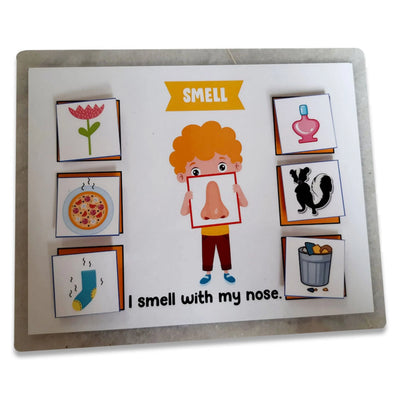
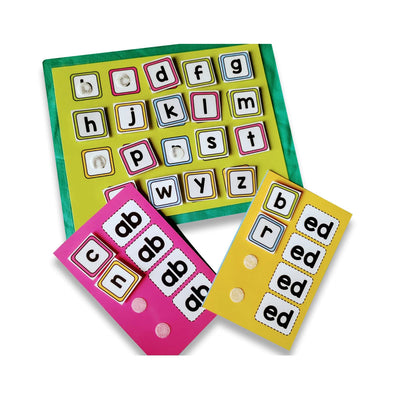
For younger children (18-36 months), sensory bins made from rice, coloured sand (easily made with food colouring), or even water with various floating objects provide hours of engagement, enhancing tactile exploration and imaginative play. For language development, parents can create DIY sandpaper letters using cardboard and coarse sandpaper. These Montessori-inspired materials allow children to trace the letter shapes, connecting muscular memory with phonetic sounds.
For numeracy, collecting bottle caps or small stones for counting, grouping, and simple addition/subtraction games is highly effective. You can even use different colours of bangles for pattern recognition and sequencing. These tangible materials make abstract concepts concrete and understandable for children aged 3-6 years.
Integrating Festivals and Family Traditions
India's rich cultural tapestry provides an endless supply of homeschooling opportunities. During Diwali, children can help make traditional sweets, learn about the stories behind the festival, and create intricate rangoli patterns using coloured rice or flower petals. For Independence Day, discuss the national flag and its significance, perhaps even designing their own patriotic crafts. These activities foster a deep connection to their heritage and instill a sense of national pride, as emphasized by the Global Indian International School's focus on patriotism.
In a joint family, grandparents become invaluable resources, sharing stories, traditional songs, and skills like knitting or cooking. Their presence enriches the learning environment, offering intergenerational wisdom that no textbook can provide. This collaborative learning approach is a unique strength of Indian family structures.
Sustaining the Spark: Tips for Successful DIY Homeschooling
Consistency, not rigidity, is key. While a strict timetable might not suit every child, a general routine provides a sense of predictability and security. Studies indicate that children thrive with a balance of structured activities and ample free play. Remember, your role is that of a guide, observing your child's interests and readiness, rather than a taskmaster.
Addressing the modern challenge of screen time, child development experts recommend setting clear boundaries and offering engaging alternatives. Providing a variety of DIY activity kits or materials for outdoor exploration can naturally reduce reliance on digital devices. Encourage outdoor play in parks or even simply observing nature from a balcony, fostering a love for the environment.
Embrace the journey with patience and enthusiasm. DIY homeschooling in India is a beautiful opportunity to tailor education to your child's unique spirit, blending academic learning with cultural richness and practical life skills. By transforming everyday objects into powerful learning tools, you empower your child to become a confident, creative, and resourceful individual, ready to explore the world around them.