How to Be a Sustainable Parent: Indian Family Guide
To truly embrace how to be a sustainable parent, Indian families must integrate mindful choices into every aspect of daily life, from consumption patterns to educational approaches. Research shows that fostering eco-conscious habits from a young age significantly impacts a child's long-term environmental stewardship, creating a generation more attuned to the planet's needs. This guide offers practical, actionable strategies for making sustainable living with kids a cherished family value.
What is Sustainable Parenting?
Sustainable parenting is the practice of raising children with a conscious awareness of their environmental footprint and promoting choices that benefit both the family and the planet. This matters because our collective actions directly influence the health of ecosystems and the availability of resources for future generations. Indian parents can lead by example, embedding traditional values of conservation and community into modern sustainable practices, ensuring a legacy of responsibility.
Reduce, Reuse, Recycle: The Indian Family Mantra
Embracing the core principles of reduce, reuse, and recycle is fundamental for eco-friendly family choices. For Indian households, this often means rediscovering the wisdom of our elders who intuitively practised resourcefulness. Think about hand-me-down clothes that adorned generations, or the innovative ways our grandparents reused containers long before 'upcycling' became a trend.
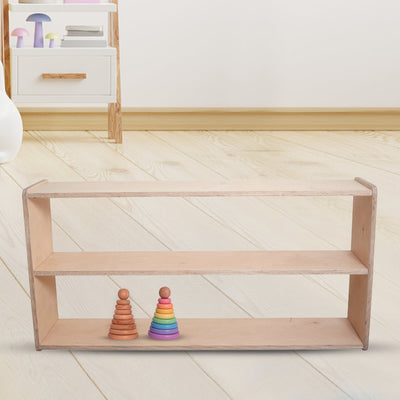
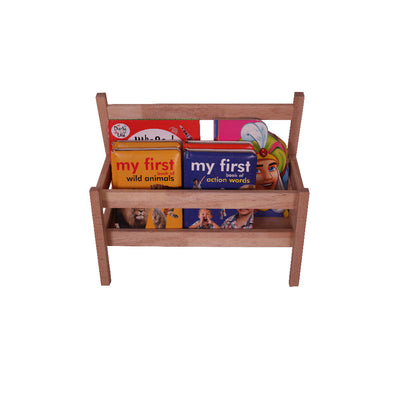
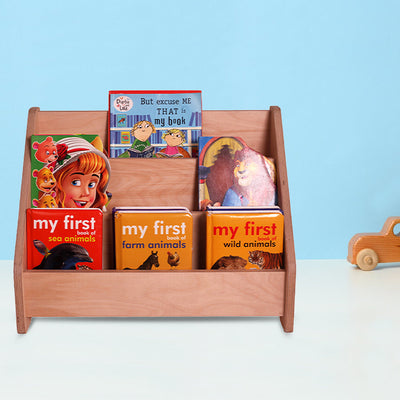
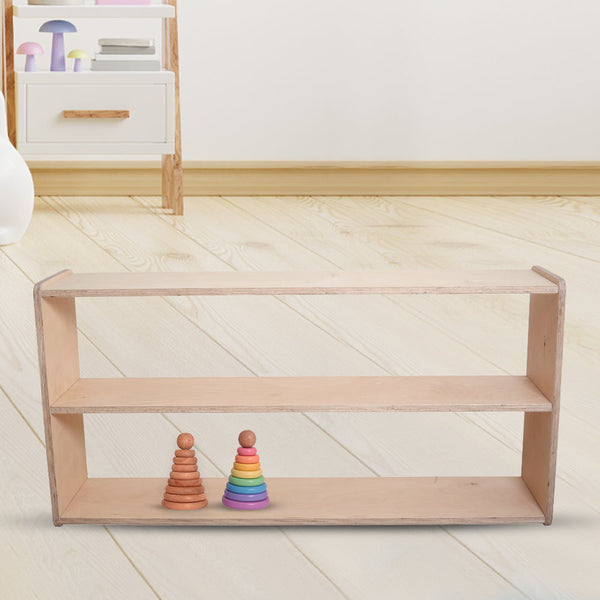
Mindful consumption starts with what we bring into our homes. When it comes to children's items, consider durability and versatility. Opt for fewer, high-quality clothes that can be passed down, reducing textile waste. For toys, choose those made from natural, non-toxic materials that can withstand years of play and potentially serve multiple children, rather than disposable plastic items. Studies indicate that the average Indian generates about 0.6 kg of waste per day, a figure that is rising, highlighting the urgent need for mindful choices in every home.
Food waste is another significant area where families can make a big impact. Planning meals, buying local seasonal produce, and composting kitchen scraps can drastically reduce your household's footprint. Involving children in these tasks, like segregating wet and dry waste or tending a small kitchen garden, instills a sense of responsibility and connection to the environment from an early age, just as The Better India often highlights the importance of engaging children indoors with purposeful activities.
Nurturing Eco-Conscious Kids with Montessori Principles
The Montessori philosophy naturally aligns with Montessori sustainable parenting tips by advocating for materials that are durable, beautiful, and made from natural resources. Dr. Maria Montessori believed in providing children with real tools and materials that are long-lasting and purposeful, fostering respect for objects and the environment they come from. Unlike flimsy plastic toys that break easily, Montessori materials like the Montessori method learning materials are designed for repeated use, offering profound educational value over many years.
When selecting toys, consider options that encourage open-ended play, such as wooden blocks or puzzles. These not only spark creativity but also minimize the need for constant new purchases. For instance, classic Montessori items like the Pink Tower or Sandpaper Letters are crafted to be robust, offering sensory and cognitive development for children aged 3-6 years and beyond, embodying sustainability through longevity and educational depth. Exploring our range of activity kits can also provide children with engaging, sustainable learning experiences.
Child development experts agree that exposing children to natural materials enhances their sensory experiences and fosters a deeper appreciation for the world around them. By choosing eco-friendly toys, you're not just making a sustainable choice; you're also providing a richer, more authentic learning experience for your child.
Sustainable Living with Kids: Practical Choices for Daily Life
Integrating sustainable living with kids into daily routines involves conscious decisions about energy, water, and waste. In Indian homes, simple changes can have a profound impact. Encourage children to switch off lights and fans when leaving a room, or to take shorter, bucket baths instead of showers, conserving precious water resources. These small actions, when consistently practised, become ingrained habits.
In a joint family setting, collective efforts can amplify these impacts. Grandparents often share valuable wisdom about conserving resources, stemming from generations of prudent living. Their stories of managing water during droughts or preserving food can be powerful lessons for younger generations. Involving children in tasks like setting up a compost pit for kitchen waste or maintaining a small home garden connects them directly to the cycle of nature.
Furthermore, reducing reliance on single-use plastics is crucial. Pack school lunches in reusable containers, carry cloth bags for groceries, and avoid packaged snacks whenever possible. These seemingly minor shifts not only benefit the environment but also promote healthier eating habits for your family.
Beyond the Home: Community & Conscious Choices
Being an eco-conscious parenting India also extends to the community. Supporting local farmers' markets and artisans helps reduce transportation emissions and strengthens local economies. When purchasing goods, consider the source and the brand's commitment to sustainability. Many Indian brands, inspired by entrepreneurs like Meeta Sharma Gupta who built toy brands with purpose, are now focusing on ethical sourcing and production.
For festivals and celebrations, challenge traditional norms by opting for eco-friendly alternatives. Use natural colours for Holi, choose reusable decorations for Diwali, and minimize packaging during gifting. These choices demonstrate to your children that joy and celebration don't have to come at the environment's expense. Participating in local clean-up drives or tree-planting initiatives can also be powerful family activities, fostering a sense of collective responsibility for the planet.
By making these deliberate choices, Indian families can effectively embed sustainability into their daily fabric, proving that a greener future is not just an ideal, but an achievable reality for our children. It's about living mindfully, respecting our resources, and nurturing a generation of responsible global citizens.
- Sustainable parenting integrates eco-conscious choices with traditional Indian values of resourcefulness.
- Reducing consumption and waste through mindful choices is fundamental to a sustainable family lifestyle.
- Montessori principles naturally align with sustainability by promoting durable, open-ended materials.
- Involving children in eco-friendly practices fosters a deeper understanding and appreciation for nature.
- Supporting local, ethical brands and community initiatives strengthens the sustainable parenting journey.
- Balancing modern living with eco-friendly traditions creates a holistic approach to family sustainability.
What is the biggest challenge for sustainable parenting in India?
The biggest challenge for sustainable parenting in India often involves balancing traditional practices with modern consumerism and societal pressures, particularly around convenience and status. However, a growing awareness and access to sustainable options are making eco-friendly choices more attainable for families across the country.
How can I involve my joint family in sustainable living practices?
Involving your joint family in sustainable living practices can begin with small, shared activities like segregating waste, tending a kitchen garden, or collectively reducing water usage. Emphasize the long-term health and financial benefits, appealing to shared values of resourcefulness and family well-being that are often cherished across generations.
Are Montessori toys truly sustainable?
Yes, authentic Montessori materials are inherently sustainable due to their design principles. They are typically made from durable, natural materials like wood and metal, built to last for generations and encourage open-ended play, reducing the need for constant replacements unlike many single-use plastic toys.
How can Indian parents make festivals more eco-friendly?
Indian parents can make festivals more eco-friendly by opting for reusable decorations, choosing natural colours for rangoli, minimizing food waste, and gifting experiences or sustainable products instead of material goods. Supporting local artisans for traditional items also reduces the carbon footprint and preserves cultural heritage.
What are easy ways to reduce plastic waste with kids at home?
Easy ways to reduce plastic waste with kids at home include using reusable water bottles and lunchboxes, opting for cloth bags when shopping, making homemade snacks, and choosing toys made from natural materials. Involving children in waste segregation and explaining its importance also fosters early environmental responsibility.