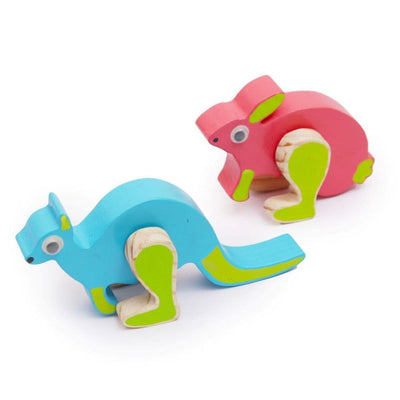
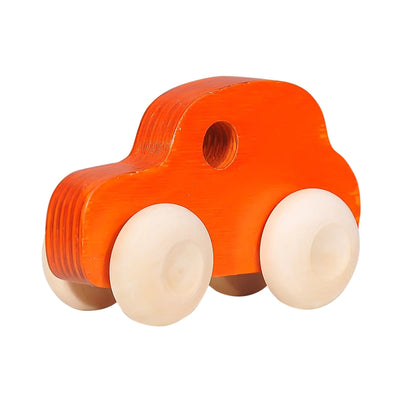
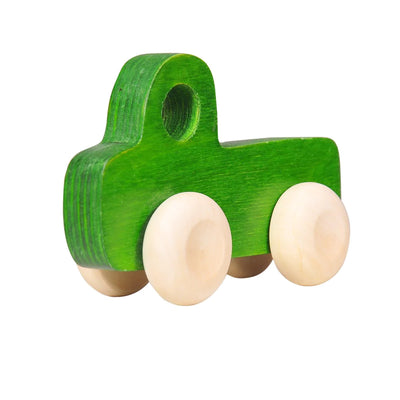
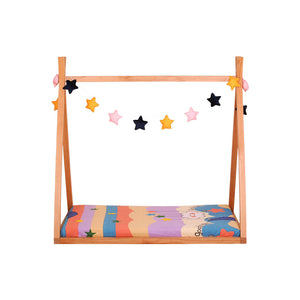
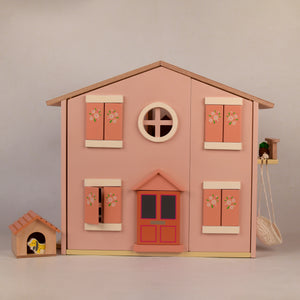
Kids Learning Toys for Cognitive Growth
Sustainable kids learning toys significantly enhance cognitive development in Indian children by providing multi-sensory, open-ended play experiences that foster critical thinking, problem-solving, and creativity. These eco-friendly educational tools, often rooted in Montessori principles, offer a durable and safe foundation for exploration, aligning with a mindful parenting approach that values both a child's growth and the planet's well-being.
As Indian parents increasingly seek holistic development for their children, the demand for toys that are both enriching and responsible grows. From the bustling metros to the serene countryside, families are prioritising choices that reflect their values.
Sustainable kids learning toys are educational tools crafted from ethically sourced, renewable, or recycled materials, designed for durability and minimal environmental impact. This matters because they promote cognitive growth while instilling environmental values from an early age. Indian parents can choose these toys to support their child's holistic development responsibly.
The Power of Sustainable Kids Learning Toys for Cognitive Growth
Research shows that early childhood experiences, including play, profoundly shape brain architecture and cognitive functions. Sustainable kids learning toys, by their very nature, encourage deeper engagement than fleeting electronic alternatives. They invite children to touch, build, sort, and imagine, thereby activating multiple areas of the brain.
For Indian families, where joint family structures often mean multiple generations interact with children, these toys provide a common ground for shared learning. Grandparents can engage toddlers with wooden puzzles, teaching them about shapes and colours, while parents appreciate the non-toxic, long-lasting nature of these cherished items.
Why Eco-Friendly Educational Toys Matter for Indian Families
Choosing eco-friendly educational toys is a conscious decision that benefits both the child and the environment. In a country like India, which is increasingly focused on sustainable practices, as evidenced by initiatives like Studio Saar's design for sustainable factories, parents recognise the importance of instilling these values early.
Studies indicate that children exposed to natural materials and open-ended play demonstrate greater creativity and problem-solving skills. These toys stand the test of time, reducing waste and offering value that resonates with the practical ethos of many Indian households. They align with the vision of new-age entrepreneurs like Meeta Sharma Gupta, who build brands with a purpose beyond just profit, focusing on quality and sustainability.
Montessori Learning Toys: A Foundation for Holistic Development
Montessori learning toys are a prime example of sustainable educational tools that excel in cognitive development. Based on Dr. Maria Montessori's philosophy, these materials are designed to be self-correcting, allowing children to learn through exploration and discovery at their own pace. Consider materials like the Pink Tower, which refines visual discrimination of dimension, or Sandpaper Letters, which prepare children for reading through tactile engagement.
These toys encourage independence, concentration, and fine motor skills, which are crucial for early cognitive development. Many of these foundational materials, such as our range of Montessori learning materials, are crafted from durable, natural wood, ensuring they can be passed down through generations, making them a truly sustainable choice for Indian homes.
Boosting Cognitive Development Toys Through Mindful Play
Mindful play, facilitated by appropriate cognitive development toys, nurtures a child's natural curiosity and enthusiasm. The Better India recently highlighted the importance of keeping kids' curiosity alive indoors, especially during colder months. Sustainable toys, unlike screen-based entertainment, actively engage children's senses and intellect, turning indoor playtime into productive learning experiences.
For example, stacking blocks enhance spatial reasoning, while shape sorters develop logical thinking. Role-play items crafted from natural fabrics encourage imaginative storytelling and social-emotional intelligence. These toys are not just about rote learning; they are about fostering a deeper understanding of the world.
Practical Tips for Choosing Sustainable Learning Toys
Selecting the right sustainable kids learning toys involves a few thoughtful considerations for Indian parents:
- Material Matters: Opt for toys made from natural wood, organic cotton, bamboo, or recycled plastics. Ensure they are finished with non-toxic, child-safe paints and oils.
- Durability and Longevity: Choose toys that are built to last. A sturdy wooden toy will withstand years of play, unlike flimsy plastic alternatives, making it a more eco-conscious and economical choice in the long run.
- Open-Ended Play: Prioritise toys that encourage imagination and have multiple uses. Simple blocks, art supplies, or versatile activity kits stimulate creativity more effectively than single-function toys.
- Local and Ethical Sourcing: Support brands that source materials ethically and locally, reducing carbon footprint and often supporting local artisans.
- Age Appropriateness: Always ensure the toy matches your child's developmental stage. A toy too advanced can lead to frustration, while one too simple might bore them.
By making these mindful choices, Indian parents are not only providing the best for their child's cognitive development but also contributing to a healthier planet for future generations. This approach transforms play into a powerful tool for learning and sustainability.
- Sustainable kids learning toys significantly boost cognitive development through hands-on, multi-sensory engagement.
- These eco-friendly educational tools foster critical thinking, problem-solving, and creativity in Indian children.
- Montessori learning toys, crafted from durable natural materials, exemplify sustainable cognitive development aids.
- Choosing sustainable toys instils environmental values in children from a young age and reduces household waste.
- Research indicates that open-ended play with natural materials enhances children's creativity and problem-solving abilities.
- Mindful selection of learning toys prioritises durability, non-toxic materials, and age-appropriateness for holistic child development.
What makes a toy truly 'sustainable'?
A toy is sustainable if it is made from renewable, recycled, or upcycled materials, manufactured with minimal environmental impact, designed for durability, and often biodegradable at the end of its life. This ensures a lighter footprint on the planet.
How do Montessori learning toys support cognitive development?
Montessori learning toys are designed to be self-correcting and hands-on, encouraging independent exploration, problem-solving, and concentration. They foster logical thinking, fine motor skills, and sensory perception, directly supporting robust cognitive development.
Are eco-friendly learning toys safe for toddlers?
Yes, eco-friendly learning toys are typically safer for toddlers as they are often made with non-toxic, natural materials and free from harmful chemicals or small parts. Always check for age-appropriate certifications and manufacturer guidelines.
At what age should I introduce cognitive development toys?
Cognitive development toys can be introduced from infancy, starting with simple sensory toys for babies and gradually progressing to more complex problem-solving and constructive play items as they grow. The key is age-appropriateness and engagement.
Can sustainable toys also be fun for Indian children?
Absolutely. Sustainable toys are designed for open-ended play, sparking imagination and creativity, which are key components of fun for children. They offer engaging textures, colours, and forms that captivate and entertain while educating.