Malayalam Spelling: Sustainable Montessori for Indian Kids
Mastering malayalam spelling is crucial for young Indian learners to connect with their heritage and develop strong literacy skills. Sustainable Montessori approaches provide an effective and eco-conscious framework for achieving this, promoting deep understanding and a love for language.
This guide empowers environmentally aware Indian parents to implement practical, sustainable strategies at home, ensuring their children not only learn to spell accurately but also develop a mindful connection to their mother tongue. Embracing these methods fosters independent learning and a profound appreciation for Malayalam's beauty.
What is Sustainable Montessori for Malayalam Spelling?
Sustainable Montessori for Malayalam spelling integrates classic Montessori language principles with an eco-conscious mindset, focusing on durable, natural materials and child-led exploration. This approach helps children decode and encode Malayalam words by engaging multiple senses, fostering phonetic awareness and visual memory.
It matters because it creates a learning environment that respects both the child's developmental pace and the planet's resources, aligning with the values of modern Indian families. Indian parents can implement this by choosing thoughtfully designed educational tools and encouraging creative, low-impact learning activities.
Montessori Malayalam: Building Foundational Literacy
Child development experts agree that early exposure to language in a structured yet playful manner is key. Montessori education systematically introduces Malayalam alphabets for kids through sensory experiences, preparing them for complex spelling tasks. For instance, children at 2.5-3 years benefit immensely from tracing sandpaper letters (വർണ്ണങ്ങൾ), linking the visual shape of a letter with its sound and muscular memory.
This concrete approach, starting with individual letter sounds (ഫോണിക്സ്) and progressing to word formation, establishes a robust foundation. Studies indicate that children who engage with multi-sensory materials demonstrate superior retention and comprehension of linguistic concepts. Encouraging conversations in Malayalam within joint families, especially during festivals, naturally reinforces these lessons.
Eco-Friendly Language Learning: Mindful Materials
Sustainable learning emphasizes using materials that are kind to the environment and durable enough to pass down. Instead of single-use plastics, consider wooden movable alphabets or DIY Malayalam learning materials made from repurposed cardboard or natural fabrics. Research consistently shows that engaging with natural materials enhances a child's sensory development and connection to the world around them.
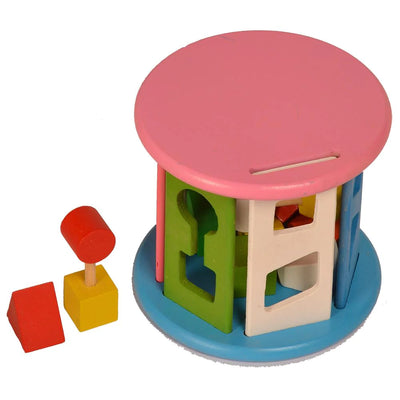
For example, creating flashcards using recycled paper and natural dyes or crafting word-building blocks from reclaimed wood can be wonderful family activityKits. This aligns with the ethos of many Indian brands creating thoughtful, sustainable toys, as highlighted in recent news, reflecting a broader shift towards conscious consumerism.
Sustainable Spelling Activities: Engaging the Senses
To truly master Malayalam spelling, children need to interact with words in varied and engaging ways. Sustainable spelling activities leverage the Montessori principle of hands-on learning, making abstract concepts concrete. Here are a few ideas:
- Movable Alphabets: Provide wooden or cardboard cut-out Malayalam letters for children to physically build words. This allows them to experiment with spellings before committing to writing, making corrections easy and non-intimidating.
- Sound Games (ശബ്ദ ഗെയിമുകൾ): Play 'I Spy' with Malayalam words, focusing on initial sounds. For instance, "I spy something that starts with 'മ' (ma) – മാങ്ങ (mango)". This sharpens phonetic awareness.
- Sensory Tracing: Use a tray of sand, salt, or even turmeric powder for children to trace Malayalam letters and words with their fingers. This tactile experience reinforces letter shapes and builds fine motor skills crucial for writing.
- Nature Word Hunts: On a walk in a local park or even your garden, identify objects and spell their Malayalam names. For example, finding a leaf and spelling 'ഇല' (ila). This keeps kids' enthusiasm and curiosity alive indoors and out, especially relevant during the winter months when indoor activities are key.
DIY Malayalam Learning: Creativity at Home
Embracing DIY approaches for Malayalam learning not only saves resources but also fosters immense creativity and ownership in children. Parents in Bengaluru and across India can easily create effective learning tools using household items. For instance, craft a word-matching game using bottle caps with Malayalam letters or pictures of local fruits and vegetables.
Developing homemade storybooks where children write and illustrate simple Malayalam sentences encourages contextual spelling. These activities make learning personal and relevant, drawing on the familiar environment of an Indian home and its unique cultural elements, such as words related to festivals or traditional dishes.
Integrating Malayalam Alphabets for Kids into Daily Life
The most effective way to solidify Malayalam spelling is to integrate it seamlessly into daily routines. Label items around the house with their Malayalam names, encouraging children to read and spell them. During meal preparation, ask children to spell out ingredients in Malayalam. When grandparents visit, encourage them to share stories or recite poems, pointing out specific words.
This constant exposure, combined with hands-on Montessori materials like those found in our Montessori method learning materials collection, builds a natural fluency. Such organic learning minimizes the pressure often associated with formal schooling, fostering a joyful journey towards linguistic mastery.
- Sustainable Montessori uses durable, eco-friendly materials for Malayalam spelling, reducing waste.
- Multi-sensory engagement with Malayalam alphabets improves phonetic awareness and retention in children.
- DIY learning activities, like creating word games from recycled materials, foster creativity and resourcefulness.
- Integrating Malayalam spelling into daily routines and cultural contexts strengthens practical application.
- Montessori principles support child-led exploration, making language learning engaging and less stressful for Indian kids.
- Authoritative sources confirm that hands-on experiences are superior to screens for early literacy development.
What is the best age to introduce Malayalam spelling?
Child development experts recommend introducing foundational language skills, including exposure to Malayalam alphabets and sounds, between 2.5 and 5 years. Formal spelling activities can begin when a child shows readiness, typically around 4-6 years, coinciding with their phonetic awareness development.
How can I make learning Malayalam spelling fun and engaging?
Engage children through sensory experiences like tracing sandpaper letters, building words with movable alphabets, and creating eco-friendly spelling games. Incorporating storytelling, local festivals, and everyday conversations in Malayalam makes learning relevant and enjoyable for Indian kids, fostering natural curiosity.
Are digital apps effective for learning Malayalam spelling?
While some digital apps can supplement learning, research indicates that hands-on, tactile experiences are paramount for solidifying early literacy skills. Montessori approaches prioritize concrete materials over screens, promoting deeper understanding and fine motor development crucial for handwriting.
How do Montessori principles support sustainable language learning?
Montessori principles inherently support sustainability by emphasizing durable, open-ended materials that can be reused across generations. This approach encourages resourcefulness, reduces waste, and fosters a lifelong appreciation for learning, aligning perfectly with eco-conscious parenting values prevalent in India.
Can grandparents help with teaching Malayalam spelling at home?
Absolutely, grandparents are invaluable resources for teaching Malayalam spelling and cultural context. Their rich storytelling traditions and everyday use of the language provide authentic, immersive learning experiences, reinforcing words and their meanings in a natural, loving environment within Indian joint families.