Slow Toys India: Sustainable Choices for Mindful Families
In an era where global conversations, like Max Alexander's call to ‘get rid of fast fashion’ in The Times of India, highlight the urgency of sustainable choices, this philosophy naturally extends to our children's play. Embracing slow toys India means choosing quality, durability, and mindful engagement over fleeting trends and disposable plastics. For environmentally aware Indian parents, this shift is not just about eco-consciousness; it's about fostering deeper connections, sustained learning, and a profound appreciation for resources.
Slow toys offer a powerful alternative to the overwhelming influx of single-use playthings, promoting thoughtful consumption that benefits both children and the planet. They are designed to stand the test of time, nurturing creativity and skill development, much like the timeless values we cherish in Indian households. SkilloToys proudly champions this movement, curating educational toys that align with your family's commitment to a sustainable future.
What are Slow Toys? Embracing Mindful Toy Consumption
Slow toys are intentionally designed, high-quality playthings that prioritize durability, open-ended play, and sustainable materials. This matters because they encourage deeper engagement, creativity, and skill development, standing in stark contrast to mass-produced, trend-driven items that quickly lose appeal. Indian parents can choose these toys to foster meaningful play experiences and teach children about environmental responsibility.
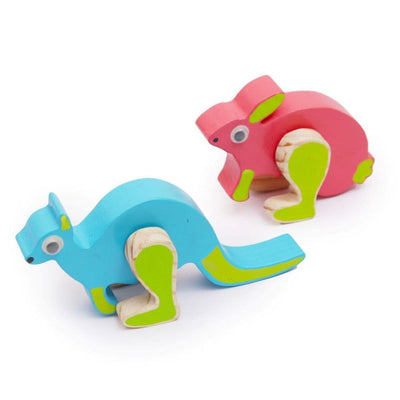
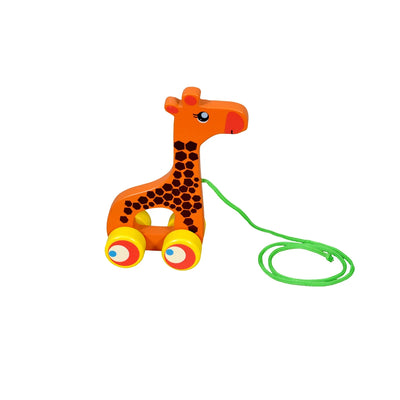
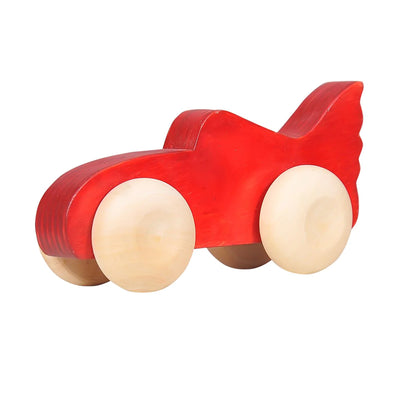
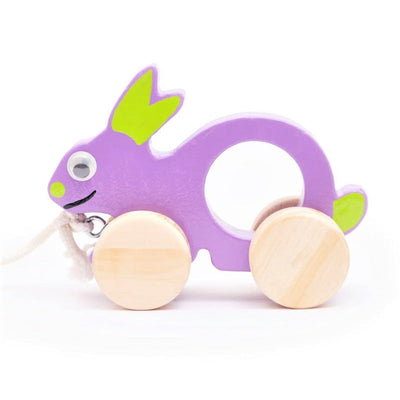
These toys typically made from natural materials like wood, organic cotton, or ethically sourced wool, embodying the principles of the broader ‘slow movement’ — a cultural shift towards slowing down life's pace. Child development experts agree that fewer, higher-quality toys enhance a child’s ability to focus and engage deeply. This approach resonates with the timeless Indian philosophy of valuing quality and longevity over transient possessions.
Sustainable Toy Choices India: From Clutter to Curiosity
The transition from fast fashion to slow living often begins with decluttering, and the same principle applies to children's play areas. Many Indian homes, especially in joint families, often accumulate a significant number of plastic toys that break easily or offer limited play value. Research shows that children with fewer, more versatile toys exhibit greater imagination and problem-solving skills.
Opting for sustainable toy choices India means investing in pieces that encourage open-ended play, such as wooden blocks, puzzles, or imaginative play sets. These items don't dictate how a child should play; instead, they invite endless possibilities, from building a multi-story home for grandparents during Diwali to creating a bustling market scene. This approach significantly reduces the environmental footprint of playtime by minimizing waste and promoting resourcefulness.
The Montessori Connection: Durable Educational Toys for Lifelong Learning
The philosophy of Maria Montessori naturally aligns with the slow toy movement, emphasizing purposeful materials that engage a child's senses and intellect. Montessori-inspired materials are inherently durable educational toys, crafted to last through years of exploration and learning. They are designed to grow with a child, offering new challenges as skills develop.
For example, a high-quality set of wooden stacking rings or a practical life activity set remains relevant from infancy through early childhood, unlike many single-purpose plastic toys. Studies indicate that engagement with such thoughtfully designed materials fosters concentration, independence, and a deep love for learning. SkilloToys’ collection of Montessori learning materials exemplifies this commitment to quality and lasting educational value.
Nurturing Eco-Friendly Playtime and Montessori Slow Living
Adopting eco-friendly playtime isn't just about the toys themselves; it's about cultivating a lifestyle of Montessori slow living. This means prioritizing quality interactions, meaningful experiences, and a mindful approach to consumption. For Indian families, this can involve simple practices like involving children in toy care, repairing rather than replacing, and choosing handcrafted items that support local artisans.
This mindful approach extends to the types of play encouraged. Instead of constantly seeking new stimulation, children learn to derive joy from sustained engagement with a few cherished items. For instance, a child might spend hours creating different structures with a set of wooden activity cubes, fostering creativity and spatial reasoning far more effectively than a battery-operated toy with limited functions. Consider exploring our diverse range of activity kits which embody this principle of prolonged engagement and skill building.
Practical Steps for Mindful Toy Consumption in Indian Homes
Making sustainable toy choices in India is a journey, not an overnight switch. Here are practical ways to integrate ‘slow play’ into your family’s routine:
- Prioritize Natural Materials: Opt for toys made from wood, cotton, wool, or rubber. These are safer for children and better for the environment.
- Choose Open-Ended Toys: Select items that can be used in multiple ways, encouraging creativity rather than dictating play. Think building blocks, art supplies, or dolls.
- Consider Durability: Invest in toys built to last. While the initial cost might be higher, these toys endure years of play, making them more economical and sustainable in the long run.
- Embrace the ‘Less is More’ Philosophy: A curated collection of high-quality toys is more beneficial than a mountain of disposable plastic. Rotate toys to keep engagement fresh without overstimulating.
- Involve Grandparents and Extended Family: Gently guide gift-givers towards sustainable options, perhaps suggesting contributions towards one larger, quality item or an experience rather than multiple small toys during festivals like Diwali or family gatherings.
By consciously choosing slow toys, Indian parents are not only providing their children with superior play experiences but also instilling valuable lessons about sustainability, resourcefulness, and mindful living. This movement aligns beautifully with our cultural heritage, which often values ‘sampatti’ (wealth) in the form of durable, treasured items passed down through generations, rather than fleeting possessions.
- Slow toys are durable, open-ended playthings promoting deep engagement and creativity.
- They significantly reduce waste, supporting eco-friendly playtime for mindful Indian families.
- Montessori principles naturally align with slow toys, emphasizing purposeful, long-lasting materials.
- Choosing quality over quantity fosters greater imagination and problem-solving in children.
- Investing in slow toys is a long-term economic and environmental benefit for families.
- Mindful toy consumption teaches children valuable lessons about sustainability and respect for resources.
What are slow toys and why are they important for Indian children?
Slow toys India are high-quality, durable, open-ended playthings designed to encourage deep engagement, creativity, and skill development over time. They are crucial for Indian children as they align with values of sustainability and allow for rich, imaginative play often shared across generations in joint family settings, moving away from disposable consumerism.
How do slow toys contribute to eco-friendly playtime?
Slow toys are typically made from sustainable, natural materials like wood or cotton, and are built to last, significantly reducing waste. Their durability means fewer toys end up in landfills, making them an excellent choice for eco-friendly playtime and teaching children about responsible consumption from a young age.
Can Montessori principles be applied to choosing slow toys?
Absolutely. Montessori principles inherently align with slow toy selection, emphasizing natural materials, purposeful design, and open-ended play that fosters concentration and independence. Choosing Montessori-inspired materials ensures toys are engaging, developmentally appropriate, and built for sustained learning, embodying the 'slow' approach.
How can Indian parents transition to more mindful toy consumption?
Indian parents can transition by prioritizing quality over quantity, investing in durable educational toys, and involving children in the selection process to foster appreciation. Consider multi-generational play, choosing versatile toys that can be passed down, and exploring resources like SkilloToys for curated sustainable options.
Are slow toys more expensive, and are they worth the investment?
While the initial cost of slow toys might be slightly higher than mass-produced plastic alternatives, their exceptional durability and timeless appeal make them a cost-effective choice in the long run. They reduce the need for frequent replacements and offer superior developmental benefits, making them a truly worthwhile investment for a child's growth and the planet.