Wooden Doll House for Kids: Eco Play in India
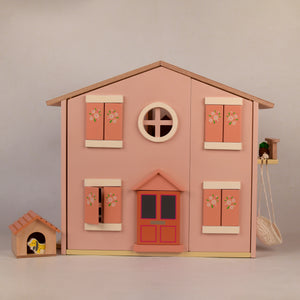
Choosing a doll house for kids is a significant decision for Indian parents, and opting for an eco-friendly, wooden version offers profound benefits for a child's development and the environment. These sustainable playthings are not merely toys; they are crucial tools that cultivate imagination, fine motor skills, and an early understanding of household dynamics, directly supporting cognitive and emotional growth in a tangible way.
A sustainable dollhouse is a miniature home crafted primarily from renewable, non-toxic, and durable materials like wood, bamboo, or recycled composites. This matters because it provides a safe play environment free from harmful chemicals, while also reducing environmental impact. Indian parents can actively choose these options to ensure their children's playtime contributes positively to their development and the planet.
The Enduring Appeal of a Sustainable Dollhouse for Indian Homes
In a world increasingly aware of its environmental footprint, choosing a sustainable dollhouse for your child aligns perfectly with conscious parenting. Just as many Indian families, like Sonika Bhasin featured in The Better India, are embracing washable cloth diapers to reduce waste, selecting toys made from natural materials is another step towards a greener lifestyle. Wooden dollhouses stand as a testament to durability and timeless design, unlike their plastic counterparts that often break or end up in landfills.
Research indicates that exposure to natural materials enhances a child's sensory experiences and connection to the physical world. The smooth finish of polished wood, the sturdy feel in tiny hands, and even the subtle scent of timber provide a rich sensory input that plastic cannot replicate. Child development experts agree that such tactile engagement is vital for healthy brain development in toddlers and preschoolers, fostering a deeper, more focused play experience.
Why Wooden Dollhouses are a Cornerstone of Montessori Play in India
Maria Montessori's philosophy champions toys that are simple, realistic, and made from natural materials to foster concentration and independence. A wooden dollhouse India-made or imported, perfectly embodies these principles. It offers a tangible, familiar environment where children can mimic real-life scenarios, from a grand Diwali celebration in the living room to a quiet afternoon tea with Dadi.
For a 3-year-old in a bustling Bengaluru apartment, arranging miniature furniture or moving dolls through rooms helps them process their own environment and roles within the family. This self-directed play builds critical thinking skills and spatial awareness. The dollhouse becomes a stage for endless narratives, allowing children to explore emotions, practice social scripts, and even work through complex family dynamics in a safe space. It's an ideal example of how a simple toy can become a powerful learning tool, promoting a sense of order and practical life skills akin to those taught with classic Montessori materials.
Cultivating Imagination with Eco Friendly Toys for Kids
True imaginative play thrives on open-ended possibilities, and eco friendly toys for kids, especially dollhouses, excel at this. Unlike electronic toys with pre-programmed sounds or limited functions, a wooden dollhouse invites the child to be the storyteller, the architect, and the director of their own world. This kind of unrestricted exploration is crucial for nurturing creativity, a skill that often gets overlooked amidst academic pressures in urban Indian schooling.
For a 4-year-old named Rohan, living in a joint family in Pune, his dollhouse might become a bustling marketplace one day, and a quiet temple the next. This flexible utility allows for a dynamic and evolving play experience, fostering deep engagement. Studies consistently show that toys which encourage children to 'do the imagining' rather than simply observe, lead to stronger problem-solving abilities and a richer vocabulary. These aren't just toys; they are portals to boundless creativity, often enhanced by complementary activity kits that encourage broader thematic play.
Choosing Your Eco-Conscious Dollhouse: Practical Tips for Indian Parents
When selecting a dollhouse, consider the materials: sustainably sourced wood like rubberwood or pine is ideal. Look for non-toxic, water-based paints and finishes. Also, think about the scale and versatility. A dollhouse that can be easily rearranged or expanded will grow with your child's evolving interests. In smaller Indian homes, a compact yet detailed dollhouse can still offer immense play value without taking up too much space.
Remember, the goal is to provide a blank canvas for your child's creativity. Opt for dollhouses that are simple in design, allowing your child to populate it with their own ideas, dolls, and miniature accessories – perhaps even handmade ones, created during a family craft session. This choice empowers children to be active participants in their play, rather than passive recipients, a hallmark of truly valuable and sustainable play.