Sustainable Parenting India: A Family Guide to Eco-Choices
Embracing sustainable parenting India means fostering a deep respect for our planet while raising mindful, responsible children. This holistic approach, blending traditional Indian wisdom with modern eco-conscious practices, is essential for families in Bengaluru and across the nation. It's about making deliberate choices in everyday life that benefit both your child's development and the environment they will inherit.
Sustainable parenting is a lifestyle choice where families actively reduce their ecological footprint and teach their children to do the same. This matters because India, like the rest of the world, faces significant environmental challenges, and our children are our future stewards. Indian parents can integrate eco-friendly practices by revisiting traditional resourcefulness and adopting mindful consumption habits.
Nurturing Eco-Conscious Kids: Practical Sustainable Parenting Tips India
Creating an eco-conscious home environment doesn't require a complete overhaul; small, consistent changes make a significant impact. Research shows that children learn best by example, absorbing values and habits from their surroundings. For instance, a 5-year-old in a joint family in Chennai watching their Dadi segregate kitchen waste for composting will naturally internalise this habit.
Green Parenting India: Rethinking Consumption and Play
One of the most impactful ways to embrace green parenting India is by critically evaluating what we consume. The news around 'One Baby, Thousands of Diapers: Sonika Bhasin Explains Why She Chose Washable Cloth Ones Instead' highlights a growing movement towards reducing single-use waste. Opting for cloth diapers, reusable wipes, and even making baby food at home can drastically cut down on a family's waste generation, which is crucial as India generates over 3.5 million tonnes of plastic waste annually.
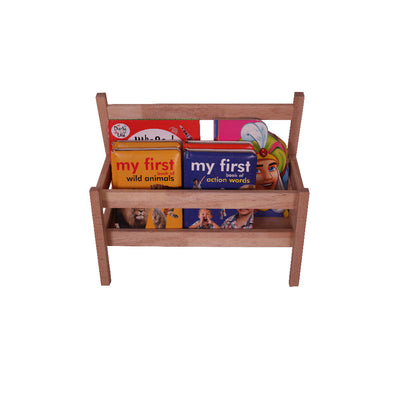
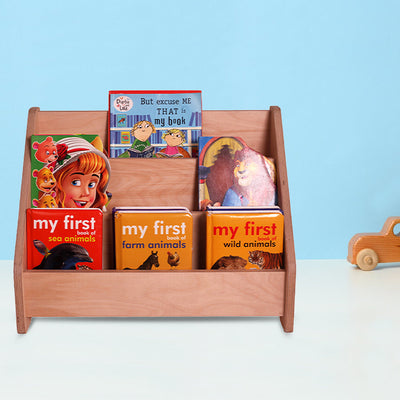
When it comes to toys, choose wisely. Maria Montessori, a pioneer in child development, advocated for natural, durable, and open-ended learning materials. Instead of plastic toys that break easily and end up in landfills, consider high-quality Montessori learning materials made from wood, metal, or cotton. These not only offer superior developmental benefits but also last for generations, often passed down between siblings or cousins, echoing India's culture of reuse.
Eco-Friendly Choices for Kids India: Empowering Their Growth
Empowering children to make eco-friendly choices for kids India starts with hands-on experiences. Involve your child in daily tasks that highlight sustainability. Perhaps a 4-year-old Aarav in Bengaluru can help water the balcony herb garden – a small step towards the larger idea of growing food, inspired by communities embracing concepts like those in the Netherlands where growing food is a living requirement. This teaches responsibility and connects them to nature, even in urban settings.
Child development experts agree that direct interaction with nature is vital for cognitive and emotional growth. Even if you live in a small flat, finding local parks, visiting a nursery, or simply observing insects in your own balcony can be a powerful learning experience. These moments build an intrinsic love and respect for the environment, far more impactful than abstract lessons.
Embracing Sustainable Living for Families India: Choices Beyond Products
Sustainable living for families in India extends beyond what we buy; it's about how we live, learn, and celebrate. Our rich cultural heritage already offers many sustainable practices, from decorating with natural elements during festivals to the concept of 'jugaad' (resourceful innovation) in everyday problem-solving. This is an opportunity to teach children the value of tradition and ingenuity.
Conscious Consumption and Waste Management at Home
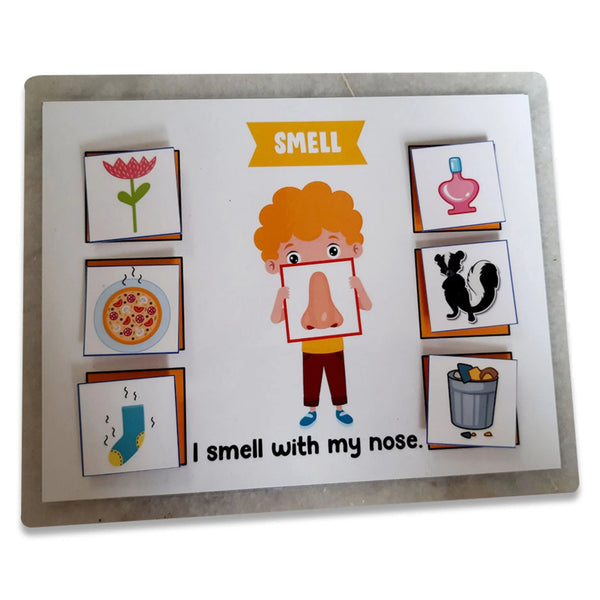
Teach your children the principles of 'reduce, reuse, recycle'. A 7-year-old Maya in Delhi could be responsible for sorting the family's waste into wet and dry bins, understanding where each goes. Encourage reusing items creatively – old saris can become beautiful quilts, and empty jars can be transformed into pencil holders as part of a fun activity kit. This conscious approach to waste management instills a sense of responsibility and reduces landfill burden.
Think about energy conservation. Simple habits like switching off lights when leaving a room, opting for natural light, and using energy-efficient appliances are easy wins. These practices, when taught from a young age, become second nature, creating energy-conscious adults. It's about being mindful of our shared resources.
Fostering a Love for Nature and Community
Connect your child with nature through outdoor play and exploration. Whether it's a walk in a local park, collecting leaves, or observing ants on the pavement, these experiences are foundational. Studies indicate that children who spend more time in nature exhibit reduced stress, improved concentration, and greater creativity. This connection is paramount for developing future environmental advocates.
Encourage community involvement. Participating in local clean-up drives, celebrating festivals with eco-friendly decorations, or even sharing knowledge about composting with neighbours can build a sense of collective responsibility. This aligns with the 'Times Internet Ecopreneur Awards 2026' news, showing a national movement towards valuing and celebrating sustainable efforts.
Montessori & Sustainable Practices: A Natural Harmony
The Montessori philosophy inherently champions many aspects of sustainable parenting. Its emphasis on natural materials, practical life skills, and a deep respect for the environment aligns perfectly with eco-conscious living. Maria Montessori observed that children have an innate connection to nature, and providing opportunities to engage with the natural world fosters responsibility and care.
Montessori environments often feature plants, natural light, and materials that connect children to the earth. Through activities like gardening, caring for classroom plants, or exploring the life cycles of animals, children develop an understanding of ecological principles from an early age. This hands-on, respectful approach builds a foundation for lifelong sustainable habits, proving that education and environment are deeply intertwined.
Embracing sustainable parenting in India is a journey, not a destination. It's about progress, not perfection. By weaving eco-conscious choices into the fabric of your family life, from the toys your children play with to the food you consume, you're not just creating a greener home; you're nurturing a generation of mindful, responsible citizens ready to lead our nation towards a more sustainable future. Start small, be consistent, and watch your family flourish in harmony with the planet.