Board Games for Kids: Negotiation & Compromise Skills
Board games for kids are definitive tools that cultivate essential negotiation and compromise skills by providing structured environments for children to navigate rules, resolve conflicts, and reach mutually beneficial outcomes. These experiences are vital for Indian children, equipping them with the social intelligence to thrive academically and personally, far beyond just scores, as The Times of India recently highlighted regarding the importance of emotional intelligence.
Negotiation skills for kids involve learning to articulate desires, understand others' perspectives, and find common ground. Compromise games children engage in teach the ability to yield a little to gain a lot, ensuring fair play and mutual satisfaction. These competencies are foundational for healthy relationships, problem-solving, and resilience in life's challenges, making them crucial life skills for any Indian child navigating complex social structures.
Why Board Games Are Essential for Indian Children's Social Growth
In India's dynamic and often competitive environment, developing robust negotiation skills kids can confidently employ is paramount. Board games offer a safe, engaging platform where children practice advocating for themselves, understanding boundaries, and influencing outcomes without real-world consequences. This structured play, often enjoyed with siblings or grandparents in a joint family setting during Diwali or summer vacations, builds foundational social problem-solving games experience from an early age.
Research indicates that children who regularly engage in structured play demonstrate higher levels of empathy, critical thinking, and conflict resolution skills. This hands-on learning prepares them for schoolyard interactions, group projects, and even navigating family decisions, equipping them with crucial competitive play skills beyond rote memorisation. Such experiences resonate deeply with the growing national focus on holistic life skills, as seen with initiatives like the 'Emotions Lab' joined by Isha Ambani, emphasising emotional literacy over solely academic prowess.
Fostering Fair Play: How Board Games Build Compromise
Compromise games children participate in directly address the give-and-take fundamental to social harmony. Whether it's agreeing on game rules, sharing limited resources like game pieces, or deciding whose turn it is next, children learn that sometimes yielding a small point leads to greater collective enjoyment. This process cultivates flexibility, patience, and a deep sense of fairness, which are essential for navigating complex group dynamics and managing peer pressure in competitive Indian schools.
Child development experts agree that early exposure to compromise helps children understand that their desires are not always paramount, fostering respect for others' needs and opinions. This kind of interaction is especially valuable in homes where siblings must often share resources or make joint decisions, turning everyday challenges into powerful learning opportunities. Parents can guide these discussions, reinforcing the value of mutual respect and cooperation. Consider exploring diverse activityKits that incorporate strategic thinking for varied learning outcomes, offering a bridge from play to practical life applications.
Montessori Approach to Social Problem-Solving Games
The Montessori philosophy, championed by Maria Montessori, profoundly emphasizes practical life skills and prepared environments where children learn through self-directed activity and exploration. Montessori board games align perfectly with this approach, offering tangible ways for children to develop social problem-solving games abilities through hands-on interaction and collaborative engagement. Unlike purely academic exercises, these games allow children from 3-6 years and beyond to organically experience cause and effect in social situations, mirroring real-life scenarios.
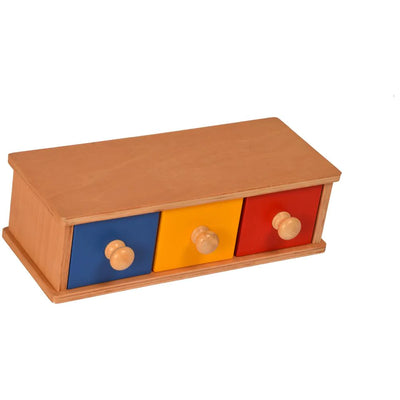
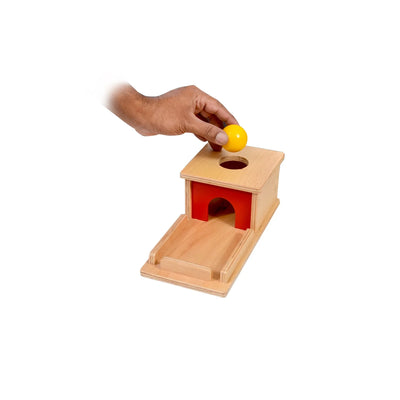
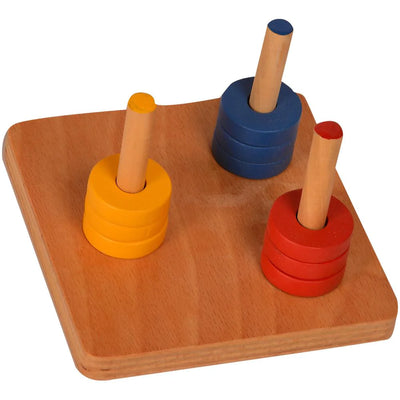
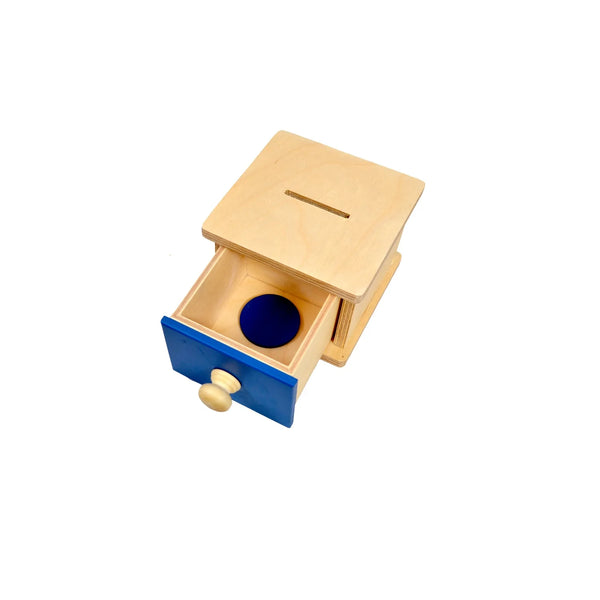
Maria Montessori believed implicitly in fostering independence, concentration, and social awareness from an early age, which is directly supported by games requiring children to negotiate turns, follow rules, and resolve minor disputes respectfully. These experiences build concentration, logical thinking, and the invaluable skill of cooperative play, preparing them for more complex social interactions within their family and community. SkilloToys offers a wide range of Montessori educational toys, including specific board games, designed to support this holistic social and cognitive development.
Practical Tips for Parents: Maximising Learning Through Play
To fully leverage board games for kids in developing negotiation skills kids and compromise effectively, parents play a crucial and active role. First, select age-appropriate games that offer clear rules but also provide ample opportunities for discussion and strategic thinking. Encourage children to articulate their reasoning during disagreements, rather than simply enforcing rules, thus fostering verbal communication skills. A study by the American Academy of Pediatrics found that collaborative play significantly boosts children's social-emotional development, making guided playtime highly impactful.
Second, model good negotiation and compromise during family playtime. Show your child how you might concede a point for the greater good of the game or to maintain harmony, demonstrating empathy and flexibility. Third, process the game afterwards: ask open-ended questions like 'What could we have done differently?' or 'How did you feel when...?' This reflective practice deepens their understanding of social dynamics and emotional regulation.
Make board game sessions a regular and cherished family tradition, perhaps during festival holidays like Pongal or during weekend evenings with the entire family. These shared moments not only build critical life skills but also strengthen family bonds, creating lasting memories and a supportive environment for growth.
Empowering Indian children with strong negotiation and compromise skills is no longer a luxury but a necessity. Board games offer a joyful and effective pathway to cultivate these vital life competencies, transforming playtime into profound learning experiences. By embracing montessori board games and encouraging structured social play, parents can equip their children with the emotional intelligence needed to thrive in all aspects of life.
- Board games are proven tools for developing negotiation skills in children.
- Compromise learned through play enhances social problem-solving abilities.
- Structured competitive play fosters emotional regulation and resilience.
- Montessori principles align with board games for holistic social development.
- These skills are more vital than academic scores for long-term success.
- Family board game sessions strengthen bonds and teach vital life lessons.
What age should children start learning negotiation through games?
Children can begin learning basic negotiation and compromise from as early as 3-4 years old with simple turn-taking and resource-sharing games. More complex negotiation skills develop as they approach 6+ years and engage with strategy-based board games.
How do board games specifically teach compromise?
Board games teach compromise by requiring players to follow shared rules, sometimes give up a desired move for a better outcome, or agree on shared resources. This hands-on experience demonstrates the benefits of mutual agreement and flexibility.
Are competitive board games good for teaching social skills?
Yes, competitive board games are excellent for teaching social skills, including negotiation and compromise, by providing a safe space to experience winning, losing, and managing emotions. They help children develop resilience and sportsmanship essential for competitive play skills.
How can parents encourage negotiation skills kids in everyday play?
Parents can encourage negotiation skills by setting up situations where children need to share or decide together, asking open-ended questions during conflicts, and validating their feelings while guiding them towards a fair solution. Board games offer a structured way to practice this regularly.
What kind of Montessori board games foster these skills?
Montessori board games that foster negotiation and compromise often involve cooperative play, logical sequencing, and shared goals. Games that require children to discuss strategy or divide tasks are particularly effective in developing social problem-solving games skills.