Emotions Lab Learnings: Montessori for Emotional Skills
The recent launch of the 'Emotions Lab' initiative by prominent figures like Isha Ambani, Reliance Foundation, and NMACC has sparked an important conversation across India about the critical role of emotional intelligence in children's development. These innovative labs aim to equip our young ones with vital emotional intelligence skills for kids, offering experiential learning to navigate their feelings and the world around them. For parents in Bengaluru and across India, the question naturally arises: how can we cultivate these same core emotional intelligence skills at home, especially when the labs might not be accessible to everyone?
India's new 'Emotions Lab' initiative aims to cultivate critical emotional intelligence skills such as self-awareness, empathy, and resilience in children through experiential learning. Montessori toys complement this by providing tangible, self-correcting tools that naturally foster these same core abilities, allowing children to explore emotions, understand consequences, and build self-regulation through independent, purposeful play in the home environment.
What is Emotional Intelligence in Children?
Emotional intelligence in children is the capacity to understand and manage their own emotions, as well as recognize and influence the emotions of others. This matters immensely because it's a stronger predictor of lifelong success and happiness than IQ alone. Indian parents can actively foster this by providing a nurturing environment and tools for emotional exploration.
Decoding the 'Emotions Lab': Core Emotional Intelligence Skills for Kids
The 'Emotions Lab' initiative, widely covered by news outlets like ANI News and Fortune India, emphasizes that emotional intelligence matters more than just academic scores. Child development experts agree that cultivating emotional literacy from a young age is paramount. These labs typically focus on key skills like identifying feelings, understanding empathy, building resilience, practicing self-regulation, and developing effective communication.
Imagine a child like 4-year-old Aarav in a bustling joint family in Bengaluru. He might feel overwhelmed by noise or confused by his older cousins' teasing. The skills taught in an Emotions Lab would help Aarav process these feelings, articulate his discomfort, and develop coping mechanisms. This isn't just about managing tantrums; it's about building a robust inner world for future challenges, from school pressure to complex family dynamics.
Cultivating Self-Awareness and Emotional Vocabulary
One primary goal of emotional development is helping children understand and name their own feelings. Maria Montessori always advocated for giving children the language for their experiences. Instead of just saying "happy" or "sad," Montessori emotional development toys and activities encourage a richer emotional vocabulary.
For instance, using simple emotion cards allows children to identify facial expressions and connect them to words like "frustrated," "excited," or "calm." Practical life activities, available as Montessori activity kits, often present small challenges that evoke real emotions. The child learns to recognize the feeling of satisfaction after successfully pouring water without spilling, or the slight frustration when a spoon drops, fostering a deeper self-awareness.
Building Empathy and Social Emotional Learning in India
Another cornerstone of the 'Emotions Lab' program is empathy – the ability to understand and share the feelings of another. For Indian children growing up in diverse communities and often joint families, social emotional learning India is inherently woven into daily life. Grandparents often guide children in showing respect and understanding, but structured play can deepen this.
Montessori classrooms naturally foster empathy through communal activities and grace and courtesy lessons, where children learn to respect each other's work and space. At home, collaborative activities like building a tower together, or even caring for a small plant, can teach children about responsibility and the feelings of others. Research shows that engaging in purposeful activities that involve caring for something outside oneself significantly boosts empathic responses in children.
Montessori Emotional Development Toys: Hands-On for Deeper Learning
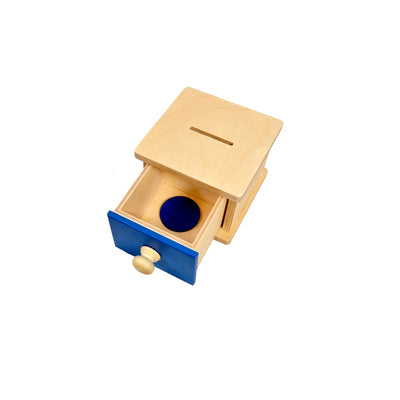
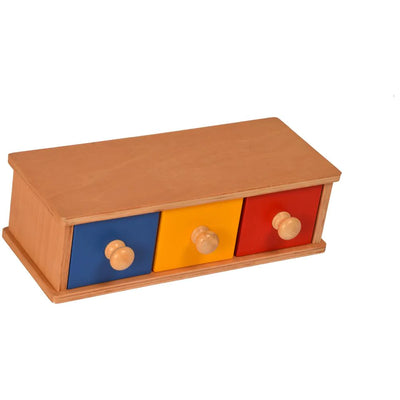
The beauty of Montessori education lies in its hands-on, experiential approach – precisely what the 'Emotions Lab' aims for. Instead of abstract lessons, children learn by doing. This makes Montessori materials ideal educational toys for emotional growth.
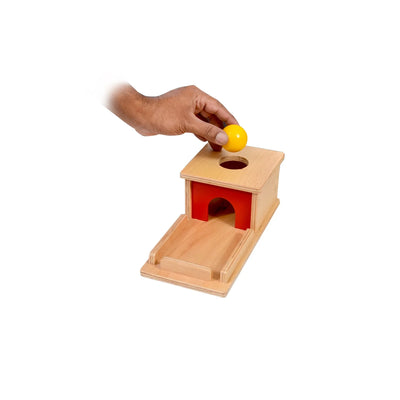
The controlled environment and self-correcting nature of many Montessori toys are profoundly effective. When a child is working with a Montessori learning material, they can see their own errors and correct them independently. This process, known as the "control of error," is a powerful builder of resilience and self-efficacy – crucial emotional skills that prevent children from feeling helpless when faced with challenges.
Self-Regulation Through Purposeful Play
The intense concentration a child exhibits while engaged with a Montessori activity isn't just about learning the task; it's a profound exercise in self-regulation and frustration tolerance. When a 2.5-year-old works tirelessly to fit cylinder blocks into their respective holes, they are learning to focus, persevere, and manage the small frustrations that arise. This direct, experiential learning of emotional intelligence is far more impactful than being told to "calm down."
These activities teach children that with patience and effort, they can overcome difficulties. This builds a foundational sense of self-control and confidence, which translates directly into managing stronger emotions later. Studies indicate that children engaged in structured, self-directed play develop stronger executive functions, including emotional control, compared to those exposed primarily to passive entertainment.
Experiential Learning Emotional Intelligence at Home
Parents don't need a dedicated "Emotions Lab" to foster these vital skills. Your home, with thoughtfully chosen Montessori toys, can become a powerful environment for experiential learning emotional intelligence. Start by observing your child: what activities draw their focus? What challenges do they naturally gravitate towards?
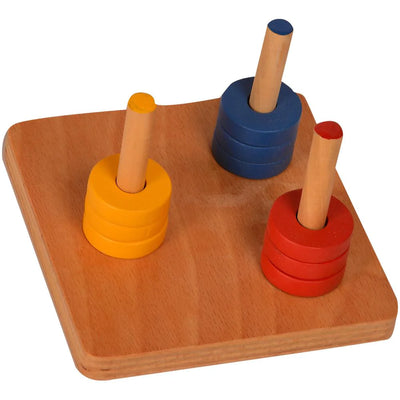
Encourage activities that involve problem-solving, like puzzles or stacking blocks, which teach patience. Offer practical life tasks like sweeping, setting the table, or pouring, which build independence and a sense of contribution to the family. When your child encounters a setback, gently guide them to find a solution rather than immediately providing it. This empowers them to navigate their emotions around failure and success, making their home a true laboratory for emotional growth.
The 'Emotions Lab' initiative rightly highlights the immense importance of nurturing a child's inner world. By bringing the principles of Montessori education into your home with purposeful toys and a supportive environment, you can provide your child with the same foundational emotional intelligence skills that India's leading organizations are championing, preparing them not just for exams, but for life itself.