Homeschooling Curriculum India: Montessori EI Design
Designing an effective homeschooling curriculum India-wide, especially one focused on emotional intelligence (EI), involves more than just academic planning; it requires a deep understanding of a child's inner world. For parents choosing to homeschool in India, integrating Montessori principles offers a powerful, holistic framework to nurture not just intellect, but also empathy, resilience, and self-awareness.
Emotional intelligence, a topic increasingly highlighted by figures like Isha Ambani's 'Emotions Lab' and in articles discussing 'Why emotional intelligence matters more than academic scores for kids', is about understanding and managing one's own emotions, and recognizing and influencing the emotions of others. In a Montessori context, this isn't taught in isolation, but woven into the fabric of daily life and learning.
What is Emotional Intelligence in a Montessori Context?
Emotional intelligence in Montessori is the ability to understand and regulate one's own feelings while empathetically navigating social interactions. This matters because it equips children with critical life skills beyond textbooks, fostering inner peace and effective relationships. Indian parents can actively cultivate this by observing their child's emotional needs and creating a supportive, structured environment at home.
Why an EI-Focused Homeschooling Curriculum Matters in Competitive India
In a country where academic success often overshadows holistic development, a dedicated focus on emotional intelligence within your homeschooling curriculum India is revolutionary. The relentless pressure of exams and admissions in India can inadvertently stunt emotional growth, leaving children academically brilliant but emotionally vulnerable. Research shows that children with high emotional intelligence are better equipped to handle stress, build meaningful relationships, and adapt to change, skills far more valuable in life's long run than rote memorization. They thrive not just in school, but in a joint family setting, during festivals, and in managing expectations from grandparents.
Core Pillars of a Montessori EI Curriculum for Montessori Homeschooling India
Implementing a robust emotional intelligence curriculum for Montessori homeschooling India-style means focusing on three interconnected pillars that naturally foster social-emotional learning.
The Prepared Environment for Emotional Growth
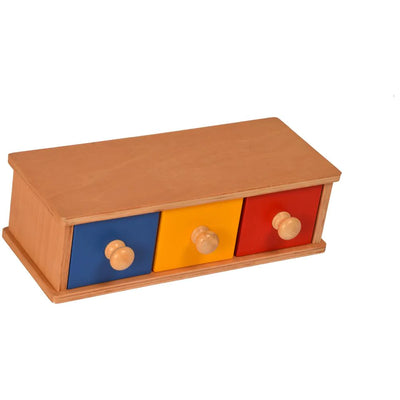
Just as you prepare a space for academic learning, create a 'prepared environment' for emotional development. This includes clear routines, designated 'peace corners' for quiet reflection (perhaps a cosy nook with a soft rug and calming books), and access to materials that allow independent problem-solving. A child who can independently choose and complete a task, like arranging a tray of pouring beads or working with a Montessori activity kit, builds self-efficacy and resilience – critical components of EI. Dr. Maria Montessori observed that order in the environment fosters order in the mind.
Grace & Courtesy: The Foundation of Social Emotional Learning Curriculum India Needs
Montessori education explicitly teaches 'Grace and Courtesy' lessons – practical demonstrations of polite social interactions. This is a cornerstone for any effective social emotional learning curriculum India prioritises. These aren't just abstract rules; they are practiced scenarios: how to greet a guest (like a visiting auntie), how to politely interrupt, how to offer help, or how to resolve a conflict over a shared toy. These direct lessons provide children with a social script, building confidence and reducing anxiety in social situations, whether it's at a family gathering or a neighbourhood park.
Practical Life: Building Self-Regulation and Empathy
Montessori Practical Life activities are the unsung heroes of emotional development. Tasks like dressing oneself, washing dishes, preparing a simple snack, or caring for plants, build concentration, coordination, independence, and self-control. A 3-year-old who painstakingly learns to button their kurta is developing the same self-discipline needed to manage a strong emotion. Child development experts agree that these purposeful activities foster a deep sense of competence and the ability to persevere, directly translating into emotional resilience. Moreover, working alongside family members on chores naturally cultivates a sense of contribution and empathy within the joint family system.
Implementing Emotional Intelligence Activities for Homeschooling
Here's how you can weave specific emotional intelligence activities for homeschooling into your daily routine:
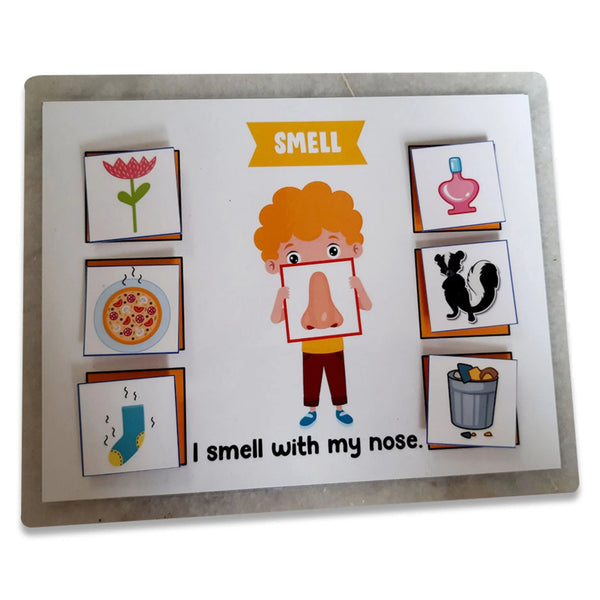
- 0-3 Years: Emotional Vocabulary & Connection: For toddlers, it's about naming emotions. When your 18-month-old cries, say, "You sound frustrated that the blocks fell." Use emotion cards (simple drawings of happy, sad, angry faces) and link them to real-life situations. Read books that explore feelings, perhaps featuring children from diverse Indian backgrounds navigating common dilemmas.
- 3-6 Years: Problem-Solving & Perspective-Taking: Introduce a "Peace Corner" with soft cushions and calming tools like a sand timer or a breathing ball. When a sibling argument arises (a common scenario in bustling Indian homes), guide them to the Peace Corner to calm down and discuss solutions. Encourage role-playing to understand different perspectives, for instance, what their older cousin might feel if a favourite book is torn. Engaging with various Montessori activity kits that require collaboration or sequential steps can also be excellent for developing patience and understanding.
A non-obvious insight: The 3-year-old who screams when a toy is taken isn't being 'naughty'; they're experiencing a primal loss of control and a very real feeling of loss. A Montessori response doesn't just scold; it validates the feeling ("I see you are very angry that Aarav took your car") while gently guiding towards a solution ("Let's ask Aarav for a turn"). This approach teaches emotional literacy and builds resilience, unlike simply suppressing the emotion.
Observation and Nurturing: The Parent's Role for EI for Homeschoolers
As the primary guide for EI for homeschoolers, your role is not to dictate, but to observe and facilitate. Pay close attention to your child's cues – their body language, their play, their reactions to daily events. This sensitive observation, a hallmark of Montessori, allows you to tailor your responses and environment to their specific emotional needs. When your child struggles with sharing a beloved ancestral possession, acknowledge the difficulty before gently guiding them to a solution. Remember, children learn emotional regulation primarily by observing and internalizing their parents' responses. Your calm, empathetic reactions in stressful moments teach more than any lesson ever could.
Creating an emotional intelligence curriculum for your homeschooling curriculum India journey is an investment in your child's future well-being. By embracing Montessori principles, you are not just teaching them to read and write; you are empowering them with the profound ability to understand themselves, connect with others, and navigate the rich tapestry of life with confidence and compassion. This is the true meaning of education in our competitive, yet culturally rich, nation.