Montessori Emotions Lab at Home: Build EQ Beyond School
The recent buzz surrounding Isha Ambani joining children at an 'Emotions Lab' has sparked vital conversations among Indian parents about emotional intelligence. Many wonder how to bring such enriching, immersive experiences home. Parents can effectively create a Montessori Emotions Lab at home by integrating purposeful, hands-on activities that encourage children to identify, understand, and express their feelings in a safe, prepared environment. This approach leverages Montessori's focus on concrete experiences, allowing children to physically explore abstract emotional concepts through play and discussion. By providing structured opportunities for emotional exploration, parents can foster deep empathy and self-regulation skills crucial for navigating a competitive world.
A Montessori Emotions Lab at home is a dedicated space and philosophy where children learn to recognize, label, and manage their feelings through self-directed, concrete, and sensory-rich activities inspired by Montessori principles. It aims to build emotional literacy, resilience, and empathy, nurturing a child's inner world as diligently as their academic skills.
Why Emotional Intelligence Matters More Than Ever for Indian Kids
In a society that often prioritizes academic scores and competitive success, the spotlight on emotional intelligence (EQ) is a welcome shift for Indian parents. News outlets like The Times of India increasingly highlight "why emotional intelligence matters more than academic scores for kids," reflecting a growing awareness that a child's ability to navigate their feelings, understand others, and build healthy relationships is paramount. For a 4-year-old growing up in a bustling Bengaluru joint family, learning to share toys with a cousin or manage the excitement of Diwali isn't just about good manners; it's foundational emotional development.
Child development experts universally agree that early emotional education significantly impacts a child's long-term well-being and success. Research from Harvard's Center on the Developing Child indicates that skills like self-regulation and problem-solving, deeply tied to emotional intelligence, are more predictive of adult success than early academic achievement. This isn't about adding another coaching class to an already packed schedule; it's about integrating vital life skills into daily family life, empowering our children to thrive beyond just exams.
Montessori: The Natural Foundation for Emotional Discovery
Maria Montessori's philosophy, centered on observing the child and creating a "prepared environment," provides an ideal framework for fostering emotional intelligence. Montessori materials, with their inherent self-correction and sensory engagement, naturally invite children to explore complex ideas through concrete experiences. For instance, while a child might be sorting blocks by color, they're also learning patience, problem-solving, and managing the frustration of a misplaced piece – all indirect emotional lessons.
Consider a 3-year-old named Rhea who consistently knocks over her brother's block tower. Instead of just scolding, a Montessori approach might involve introducing her to an activity like a "feelings puzzle," where she matches facial expressions to emotion words. This helps her build an emotional vocabulary to articulate her own frustration or desire for attention, rather than acting it out. By allowing children freedom within limits, Montessori principles cultivate inner discipline, focus, and a profound respect for oneself and others – crucial components of emotional maturity.
Your SkilloToys Emotions Lab at Home: Practical Activities
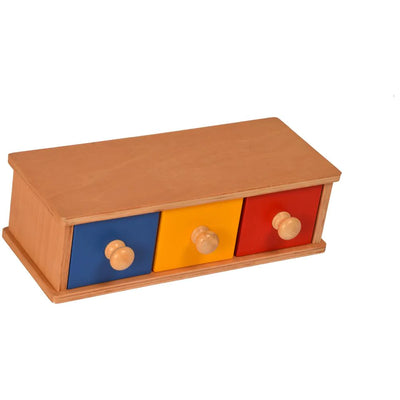
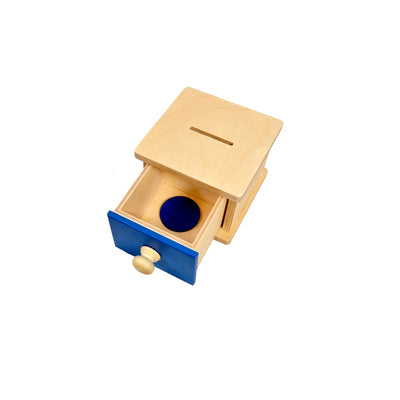
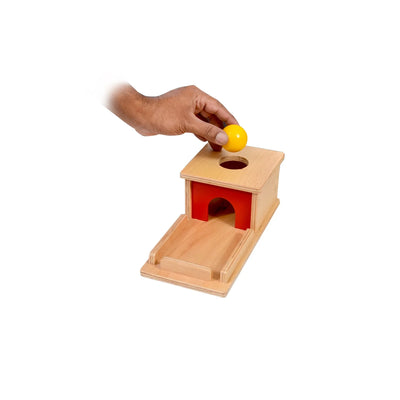
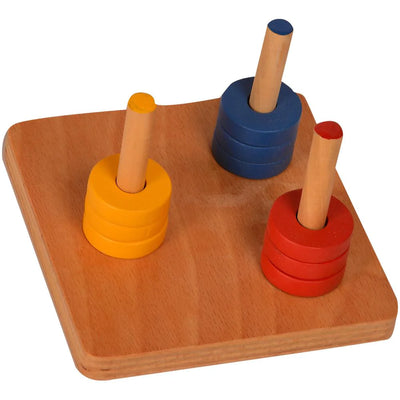
Creating a vibrant Montessori Emotions Lab at home doesn't require a dedicated room; it's about intentional interactions and purposeful activities that fit into your Indian household. SkilloToys offers a range of materials that can transform everyday moments into powerful emotional learning opportunities.
Emotion Spotting & Naming
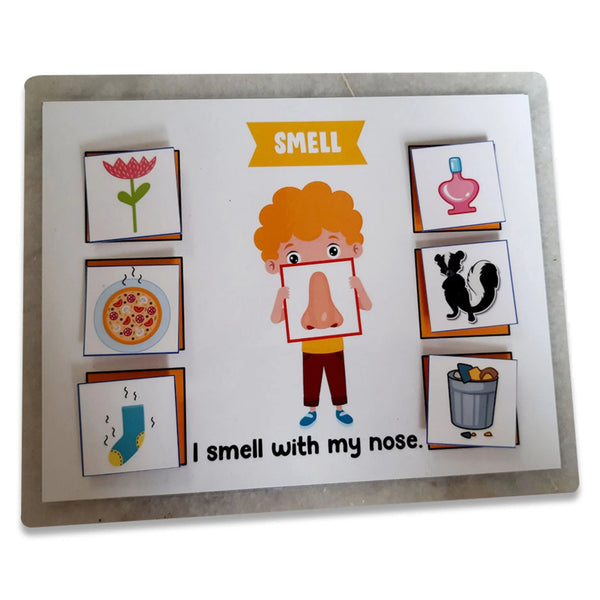
Encourage your child to identify emotions in themselves and others. Use picture cards depicting various facial expressions and discuss what each emotion might feel like. For a 3-year-old like Aarav, you might say, "Look, this boy's mouth is turned down, and his eyes are wet. He looks sad. Have you felt sad today?" This helps build emotional vocabulary beyond "happy" and "sad." SkilloToys' activityKits often include visual aids perfect for this.
Sensory Explorations of Feelings
Connect emotions to physical sensations. Ask your child what "anger" feels like in their body (hot, tense?) or "calm" (soft, relaxed?). Offer materials that represent these feelings. A soft, squishy ball for frustration, or a smooth wooden block for peace. You could create a "feelings jar" where they drop colored pom-poms representing their dominant emotion of the day. This concrete representation helps them externalize abstract internal states.
Role-Playing & Empathy Games
Montessori-inspired play encourages imaginative scenarios. Use puppets or dolls from SkilloToys' Montessori learning materials to act out scenarios: a doll feeling shy about meeting guests, a puppet frustrated because its tower fell. Ask your child, "What do you think the doll needs right now?" This develops perspective-taking and empathy, essential skills for navigating social interactions in a joint family setting or school playground.
The 'Calm Corner': A Montessori Sanctuary
Even in small urban flats, a designated 'calm corner' offers a retreat for self-regulation. This isn't a "timeout" corner but a supportive space with comforting items: a soft blanket, a few quiet books, perhaps a "glitter jar" for visual soothing, and emotion cards. When a child feels overwhelmed, they can choose to go to their calm corner, allowing them to process feelings independently and return to the activity once regulated. This fosters autonomy and self-awareness.
Integrating Emotional Learning into Daily Indian Life
The true power of an 'Emotions Lab' at home lies in its seamless integration into the rhythm of Indian family life. Grandparents, with their treasure trove of stories and wisdom, are invaluable. Encouraging them to narrate tales where characters navigate emotions – like Lord Rama's perseverance or Krishna's cleverness – naturally instills values and emotional understanding. During festivals like Ganesh Chaturthi, discuss the emotions associated with community, sharing, and devotion, rather than just the rituals.
When 5-year-old Priya, who lives with her parents and Dadi, feels upset because her friend didn't invite her to play, instead of dismissing her feelings, a parent might sit with her, acknowledge her sadness, and suggest, "It sounds like you're feeling left out. That's a big feeling. Maybe tomorrow we can talk about what makes a good friend, and how we can show others we want to play too." This non-judgmental validation, followed by problem-solving, is key. The unique structure of many Indian households, with multi-generational interactions and shared living spaces, provides a constant, rich, and organic laboratory for practicing emotional intelligence, often without explicit instruction. The "Emotions Lab" isn't just about isolated activities; it's about the conscious embedding of emotional literacy into the very fabric of daily interactions, transforming everyday challenges like sibling squabbles or sharing a crowded space into opportunities for growth.
- Montessori principles naturally support emotional intelligence through concrete, self-directed learning experiences.
- Replicating an 'Emotions Lab' at home involves creating dedicated spaces and intentional activities for emotional exploration.
- Child development experts confirm that early emotional education is more predictive of adult success than academic scores.
- Naming and understanding emotions explicitly helps children develop emotional vocabulary and self-regulation skills.
- Experiential play and role-playing, often with Montessori materials, significantly build empathy and perspective-taking in children.
- Integrating emotional learning into daily Indian family life, including traditions and multi-generational interactions, enhances its effectiveness.
How can I start building emotional intelligence with my toddler?
Begin by simply naming emotions as they happen: "You look happy!" or "Are you feeling frustrated right now?" Use clear, simple language and connect emotions to facial expressions or body language. Providing a calm, predictable environment is also crucial for their emotional security.
What specific Montessori materials help with emotional development?
While no specific "emotion materials" exist, many Montessori materials indirectly foster emotional intelligence. Practical Life activities build independence and confidence, the Peace Corner teaches self-regulation, and role-playing with miniature environments encourages empathy. Materials that allow for self-correction also teach resilience.
Is an 'Emotions Lab' just for children who struggle with their feelings?
Absolutely not. An 'Emotions Lab' is beneficial for all children, equipping them with essential life skills, regardless of their current emotional expression. It proactively builds resilience, empathy, and effective communication, preventing potential emotional challenges and enhancing overall well-being.
How do I talk about complex emotions like jealousy or anger with my child?
Approach these emotions without judgment. Acknowledging the feeling ("It's okay to feel angry sometimes") and then focus on constructive ways to manage it ("What can we do when we feel angry?"). Use stories, role-playing, and calm conversations to explore these feelings in a safe, understandable way.
How much screen time is too much when focusing on emotional development?
Excessive screen time can hinder real-world social and emotional interactions. Child development guidelines from the Indian Academy of Pediatrics suggest minimal to no screen time for children under two, and limited, supervised time for older children. Prioritize face-to-face interactions and hands-on play to nurture emotional intelligence effectively.