Wooden Toys for Kids: Emotional Growth in Indian Homes
In India's bustling, academically focused landscape, the conversation is shifting from just high scores to holistic well-being. Child development experts agree that investing in wooden toys for kids from an early age is a powerful, timeless strategy for nurturing emotional intelligence. These simple, tactile playthings provide a foundational experience, crucial for a child's inner world amidst external pressures.
While the competitive drive is strong, Indian parents, inspired by discussions like those in The Times of India on emotional intelligence outweighing academic scores, are seeking ways to foster inner resilience. Wooden toys, with their natural appeal and open-ended design, stand out as champions in this endeavour, offering benefits far beyond mere entertainment.
What is Emotional Intelligence in Children?
Emotional intelligence (EI) is the ability to understand, use, and manage one's own emotions in positive ways to relieve stress, communicate effectively, empathise with others, overcome challenges, and defuse conflict. This matters because it's a stronger predictor of life success and happiness than IQ. Indian parents can proactively foster EI by providing environments and tools that encourage emotional self-discovery and regulation.
Benefits of Wooden Toys: How Simplicity Builds Resilience
Research shows that the very simplicity of wooden toys for kids is their greatest strength. Unlike electronic toys with flashing lights and predetermined actions, wooden toys demand that the child supply the imagination, the sounds, and the narrative. This active mental engagement is a powerful exercise in self-regulation and problem-solving, which are cornerstones of emotional intelligence.
Consider a child in a Bengaluru apartment building a tower with plain wooden blocks. The tower falls. Instead of giving up, they try again, adjusting their technique. This gentle cycle of frustration, perseverance, and eventual success builds resilience—a critical emotional skill. The satisfying clunk of one block landing on another, the tactile feel of the grain, all engage the senses in a way that supports focused attention, a precursor to emotional control.
Montessori Wooden Toys: Cultivating Self-Regulation & Focus
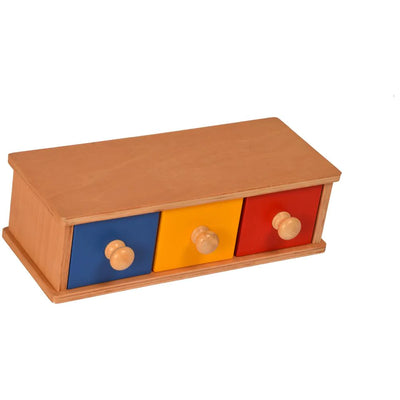
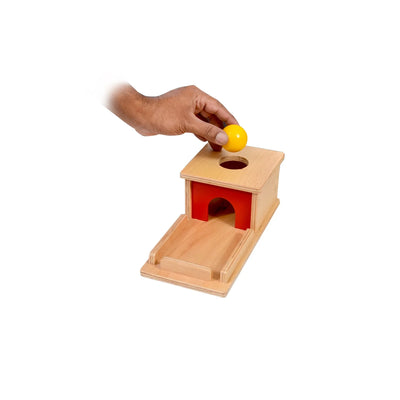
Maria Montessori, the pioneer of child-centred education, championed natural, simple materials for a reason. Her philosophy aligns perfectly with the emotional benefits of wooden toys. Montessori wooden toys are often self-correcting, allowing children to learn through discovery without constant adult intervention. This fosters independence and builds a strong sense of self-efficacy.
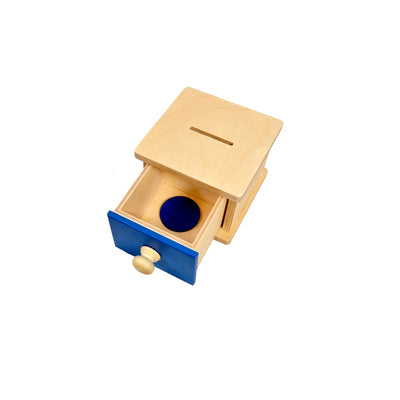
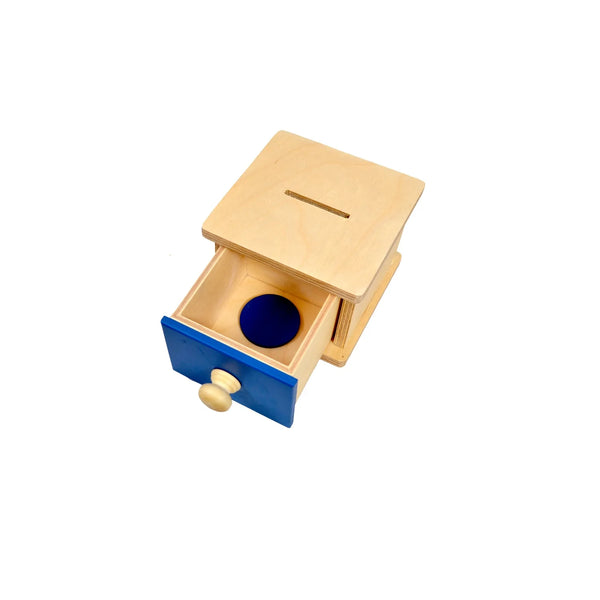
When a child works with a Montessori learning material like a geometric sorter or a size-graded cylinder block, they are not just developing fine motor skills. They are also learning concentration, patience, and the ability to tolerate small challenges. These focused activities help children understand their capabilities and manage their emotions when tasks get difficult, preparing them for the pressures of school and social interactions.
Emotional Development Toys: The Language of Open-Ended Play
Open-ended wooden toys are exceptional emotional development toys because they provide a blank canvas for a child's inner world. A set of wooden animals or a simple dollhouse becomes a stage for enacting real-life scenarios, exploring feelings, and understanding social dynamics. A 4-year-old in a joint family might play out a sibling squabble with wooden figures, learning to process their own feelings of jealousy or frustration.
Child development experts agree that imaginative play is fundamental for developing empathy. When a child pretends to be a caring doctor or a protective parent with their wooden toys, they step into another's shoes, building their capacity to understand and share the feelings of others. This is the heart of emotional intelligence, far more impactful than passively consuming content, as even the 'Emotions Lab' initiatives by figures like Isha Ambani highlight the need for active, immersive learning.
Eco-Friendly Toys India: Values, Health, and Emotional Well-being
Choosing eco-friendly toys India means opting for wooden toys crafted from sustainable sources, often finished with non-toxic paints. This decision reflects a conscious parenting philosophy that extends beyond the playroom. By providing safe, natural toys, parents are not only protecting their child's physical health but also subtly instilling values of environmental responsibility and appreciation for nature.
When children grow up surrounded by natural materials, they develop a deeper connection to the world around them. This connection can foster a sense of calm and well-being, reducing anxiety and promoting a more grounded emotional state. It's a choice that resonates with traditional Indian reverence for nature and promotes a holistic approach to child-rearing.
Bringing Wooden Toys into Your Indian Home
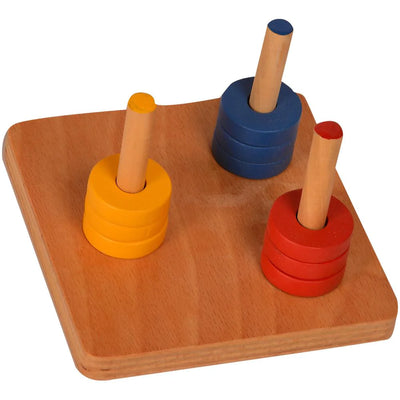
Integrating wooden toys into your child's life doesn't require a complete overhaul, especially for those navigating smaller urban spaces or balancing budgets. Start with a few versatile pieces, perhaps a set of wooden blocks or a simple stacking toy. Observe your child's engagement, allowing them ample unstructured time to explore. Resist the urge to 'direct' their play; let them lead the way.
Consider gifting a wooden activity kit that sparks creativity. Involve grandparents in choosing these traditional yet timeless toys; their appreciation for natural materials often aligns beautifully with this approach. By choosing simple, high-quality wooden toys, you are providing tools that will serve your child's emotional growth for years, preparing them not just for academic success, but for a truly fulfilling life.