Choosing Inclusive Toys for Special Needs Children in India
When choosing inclusive toys for special needs children in India, parents must prioritise adaptability, multi-sensory experiences, and open-ended play that genuinely supports developmental goals. This approach ensures toys are not merely labeled 'inclusive' but actively empower every child to engage, learn, and thrive at their unique pace, fostering independence and confidence.
The recent introduction of the Autistic Barbie doll in India, highlighted by news outlets like The Times of India and Deccan Herald, has sparked vital conversations about the push for inclusion in the toy industry. While this represents a significant step towards representation, it also prompts a deeper look into what truly makes a toy inclusive. For Indian parents navigating the diverse needs of their children, understanding the core principles of inclusive toy design is paramount, moving beyond marketing trends to practical, impactful choices.
What Are Inclusive Toys?
Inclusive toys are thoughtfully designed to accommodate diverse abilities and developmental stages, ensuring all children can engage meaningfully and joyfully. This matters immensely because such toys reduce barriers to play, fostering a sense of belonging and promoting holistic development. Indian parents can empower their child's unique learning journey by intentionally seeking out these supportive play materials.
The Core Principles of Truly Inclusive Toy Design: Montessori Inclusive Toy Features
True inclusivity in toys extends far beyond superficial features; it delves into thoughtful design that supports diverse developmental paths. Child development experts agree that the most effective inclusive toys are those that are adaptable, multi-sensory, and encourage open-ended exploration. These principles, deeply embedded in Montessori philosophy, make toys genuinely beneficial for children with special needs.
For instance, the Autistic Barbie doll's features, such as an averted gaze and a fidget spinner accessory, are specific design choices aimed at reflecting traits associated with autism. While representative, the broader lesson for parents is to look for toys with features that facilitate engagement and development. Research shows that children with special needs who engage with appropriately designed inclusive toys demonstrate enhanced cognitive, social, and emotional development, fostering a greater sense of autonomy.
Adaptability and Multi-Sensory Engagement: Sensory Friendly Toys for Children
An inclusive toy adapts to the child, rather than demanding the child adapt to it. This means toys should offer various ways to interact, accommodating different physical abilities, sensory sensitivities, and cognitive styles. Multi-sensory engagement is crucial, appealing to touch, sight, and sometimes sound or smell, allowing children to process information through their preferred or strongest sensory channels.
For example, a simple set of wooden blocks can be used for stacking, sorting by size or colour, or imaginative play, adapting to various skill levels. Fine motor skills toys like lacing beads or shape sorters offer tactile and visual stimulation that can be incredibly calming and engaging for children who benefit from focused, repetitive tasks. Studies indicate that access to multi-sensory and adaptable play materials can significantly improve fine motor skills and sensory integration in children with diverse abilities, including those needing autism friendly toys India parents seek.
Promoting Open-Ended Play and Skill Development: Adaptive Toys for Special Needs
Open-ended toys are foundational for inclusive play because they have no single 'right' way to be used, encouraging creativity, problem-solving, and self-directed learning. These are paramount when considering adaptive toys for special needs. Montessori materials, like the Pink Tower or Sandpaper Letters, exemplify this by inviting exploration and self-correction, catering to individual learning speeds and styles. They provide concrete, hands-on experiences that build foundational skills.
Consider a child engaging with a set of nesting cups; they can practice stacking, learning about size relationships, or even use them in imaginative play as small containers. This kind of flexible play fosters a child's independence and builds confidence as they master skills at their own pace. Parents in India can create enriching home environments where children, including those with special needs, can explore and develop through purposeful play, reducing the pressure often associated with formal learning.
Beyond the Hype: What to Look for in India & Autism Friendly Toys India
When selecting toys in the Indian context, several factors become uniquely important. Beyond universal design principles, parents must consider local availability, cultural relevance, and safety standards suitable for bustling Indian homes. The Tamil Nadu government's push for a toy manufacturing policy, aiming for global market and artisan revival, signals a positive shift towards more locally relevant and potentially inclusive options.
For families seeking autism friendly toys India offers, looking for materials that are durable and easy to clean is essential for multi-generational homes. Toys that encourage quiet, focused play can be particularly valuable in a joint family setting where noise levels can vary. Always prioritise non-toxic materials, especially for younger children who might still explore with their mouths, ensuring they meet Indian safety norms.
Safety and Durability for Indian Homes
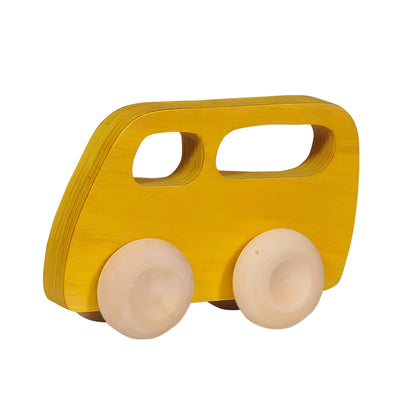
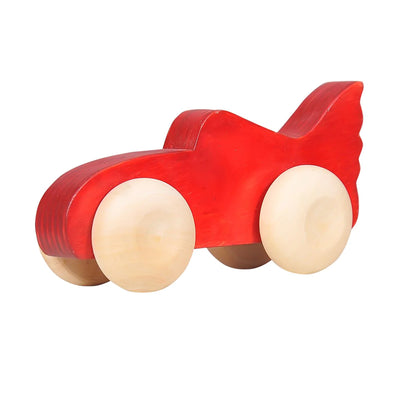
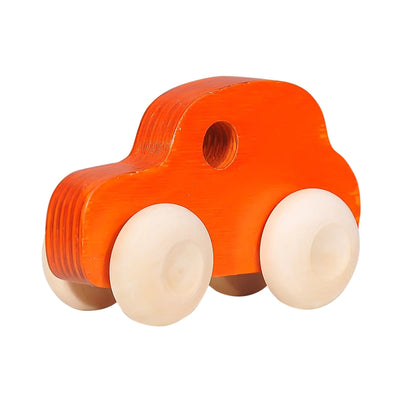
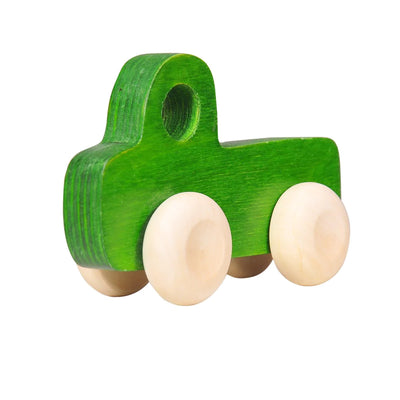
Safety is paramount for all children, but particularly for those with special needs who might interact with toys differently. Look for toys made from natural, non-toxic materials like wood, with smooth finishes and no small, detachable parts that could pose a choking hazard. In Indian homes, where toys are often shared among siblings and cousins, durability is also key. Sturdy construction ensures longevity and sustained play value, enduring the vibrant energy of multiple children.
Culturally Relevant Play Experiences
Inclusive play also means ensuring toys reflect the child's world and culture. For Indian children, toys that incorporate elements of festivals like Diwali or Holi, represent diverse family structures, or depict traditional activities can be deeply enriching. These culturally relevant toys help children connect with their heritage and foster a sense of belonging within their community, whether they are playing with grandparents or peers. This strengthens identity and makes learning more relatable.
SkilloToys' Commitment to Inclusive Play
At SkilloToys, we understand the profound impact of well-chosen playthings on a child's development. Our Montessori educational materials are designed with inclusivity at their core, offering adaptable, multi-sensory experiences that cater to a wide range of developmental needs. We believe every child deserves access to toys that empower them to learn, explore, and grow joyfully, fostering independence and a lifelong love for learning.
By applying these guidelines, Indian parents can confidently select toys that genuinely support their special needs children. The goal is to build a nurturing play environment where every child feels seen, understood, and capable, creating moments of pure joy and profound learning at home.
- Choosing truly inclusive toys means prioritising adaptable, multi-sensory, and open-ended design.
- Research shows that inclusive toys significantly enhance cognitive, social, and emotional development in children with special needs.
- Montessori materials are inherently adaptive, promoting self-correction and catering to individual learning paces.
- For Indian families, cultural relevance and durability are crucial considerations for inclusive toy selection.
- Sensory friendly toys are essential for regulating a child's nervous system and improving focus and engagement.
- Parents should look beyond marketing to identify specific features that support a child's unique developmental journey.
What is the primary goal when choosing inclusive toys for a child with special needs?
The primary goal is to select toys that genuinely meet the child's individual developmental needs and interests, providing opportunities for engagement, skill building, and a sense of accomplishment. This fosters self-confidence and joyful participation in play.
How can I ensure a toy is truly 'autism friendly' for my child in India?
To ensure a toy is autism friendly, look for clear, predictable interactions, multi-sensory engagement without overstimulation, and opportunities for repetitive actions or focused play. Toys that support social narratives or calm sensory needs are particularly beneficial for children with autism.
Are Montessori materials suitable as adaptive toys for special needs children?
Yes, Montessori materials are inherently well-suited as adaptive toys for special needs children due to their self-correcting nature, focus on concrete learning, and promotion of fine motor skills and sensory exploration. Maria Montessori's philosophy prioritises individualised learning paths, making them highly adaptable.
How important is cultural relevance when selecting inclusive toys in an Indian context?
Cultural relevance is crucial as it helps children connect with their environment, family traditions, and social narratives. Toys reflecting Indian festivals, joint family structures, or daily life can make play more meaningful and relatable, fostering a strong sense of identity and belonging.
What role do sensory friendly toys play in the development of children with special needs?
Sensory friendly toys play a vital role by providing appropriate sensory input that can help regulate a child's nervous system, improve focus, and reduce anxiety. They are essential for children who are hypersensitive or hyposensitive, supporting their sensory processing and overall well-being.