Toys for Autistic Children: Sensory Play & Inclusion in India
Choosing the right toys for autistic children in India is a profound act of support, shaping not just their play but their very way of engaging with the world. As recent discussions, highlighted by Livemint's 'How toys for autistic children can foster inclusivity,' underscore, sensory-rich toys are not merely recreational items; they are foundational tools that empower holistic development and foster truly inclusive play experiences for our children. For a 3-year-old in Bengaluru, exploring a textured puzzle isn't just a game; it's a step towards understanding their senses and building connection.
Sensory-rich toys are designed to engage one or more of the senses—touch, sight, sound, smell, taste, movement (vestibular), and body awareness (proprioception). They provide a child with Autism Spectrum Disorder (ASD) predictable and often repetitive input, which can be calming or stimulating. This matters because for many autistic children, sensory processing differences are a core aspect of their experience. Indian parents can actively support their child's unique sensory profile by thoughtfully selecting toys that meet these specific needs.
Sensory Toys for Autism India: Understanding Unique Sensory Profiles
Research consistently shows that individuals with Autism Spectrum Disorder often experience sensory input differently, with some being hypersensitive (over-responsive) and others hyposensitive (under-responsive). For a child like Aarav, a 5-year-old from Mumbai, a textured mat might be an overwhelming experience, while a deep pressure squeeze toy offers profound comfort and regulation. Understanding this spectrum is crucial when selecting sensory toys for autism India.
Experts in child development agree that providing appropriate sensory outlets can help autistic children regulate their nervous systems, reduce anxiety, and improve focus. For instance, a child seeking intense visual input might benefit from a lava lamp or light-up spinner, while one seeking deep pressure might gravitate towards weighted items. The key is careful observation of your child's preferences and reactions to different stimuli.
Montessori Sensory Toys: A Natural Fit for Inclusive Play Autism
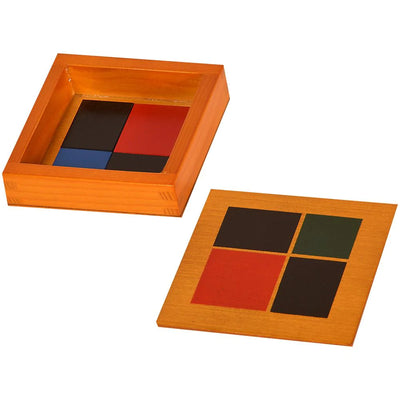
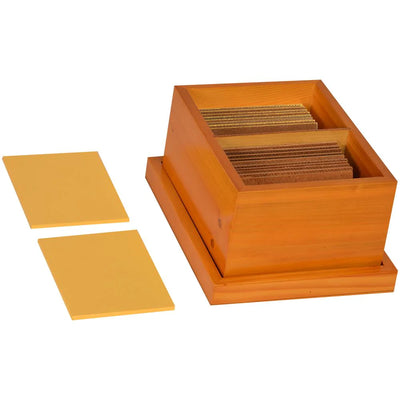
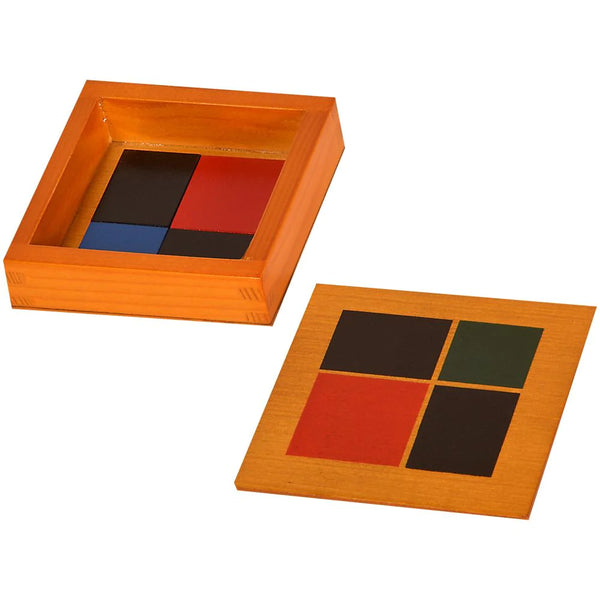
The philosophy of Maria Montessori, with its profound emphasis on sensory exploration and hands-on learning, offers a uniquely effective approach to inclusive play autism. Montessori materials are inherently sensory-rich, designed to isolate specific qualities like weight, texture, sound, or dimension, allowing children to focus without overwhelming distractions. Consider the 'Pink Tower,' where a child learns about size and sequence through tactile and visual engagement, or the 'Sound Cylinders,' which refine auditory discrimination.
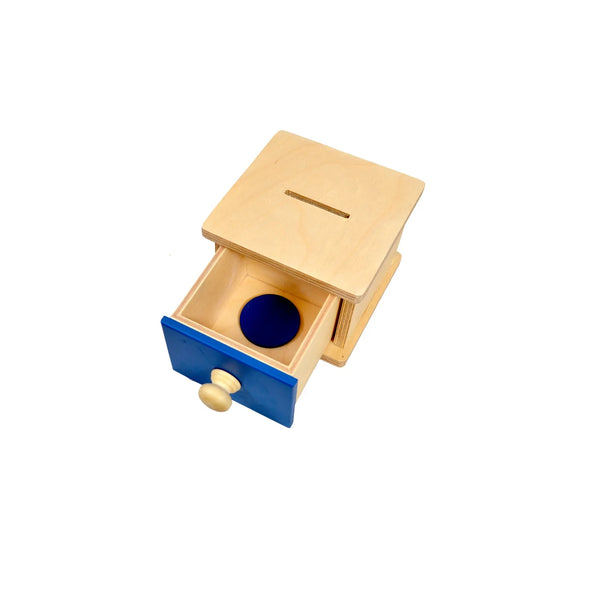
For many autistic children, the structured, self-correcting nature of Montessori sensory toys provides a sense of predictability and control that is deeply comforting. This aligns beautifully with the need for routine and order often observed in ASD. Moreover, the independent nature of Montessori activities empowers children, building confidence and fostering a love for learning through direct, sensory interaction.
Choosing Effective Special Needs Toys India: Practical Guidance
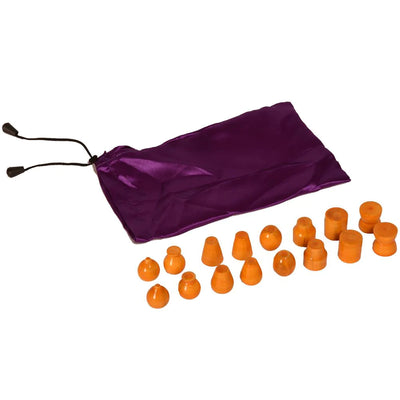
When selecting special needs toys India, particularly for autistic children, think beyond labels and focus on functionality and individual fit. The market offers a vast array, but the most effective toys are often simple, open-ended, and provide specific sensory feedback. For a 4-year-old girl in Chennai who struggles with fine motor skills and seeks tactile input, a set of wooden beads for stringing offers dual benefits.
Look for toys that are durable, non-toxic, and can withstand repeated use. Prioritise materials that offer diverse textures, weights, and temperatures. Natural materials like wood, wool, and stone often provide a richer and more calming sensory experience than plastics. Remember, the goal is to provide tools that help your child explore, regulate, and connect with their environment on their own terms.
Creating a Sensory-Friendly Home Environment in India
Inclusive play for autistic children extends beyond specific toys; it involves crafting a home environment that respects and supports their sensory needs. In many Indian joint families, space might be a constraint, but even a small 'sensory corner' can make a big difference. This space could contain a few preferred sensory items, a cozy blanket, and perhaps dim lighting, offering a safe haven for self-regulation when overstimulated.
Cultural resonance also plays a role here. Many traditional Indian practices, such as playing with natural elements like sand (rangoli), water, or kneading dough for chapatis, are inherently sensory-rich activities. Encouraging participation in these everyday tasks can be a fantastic way to provide valuable sensory input in a familiar and comforting context. For grandparents, involving children in these activities fosters connection while naturally supporting sensory development.
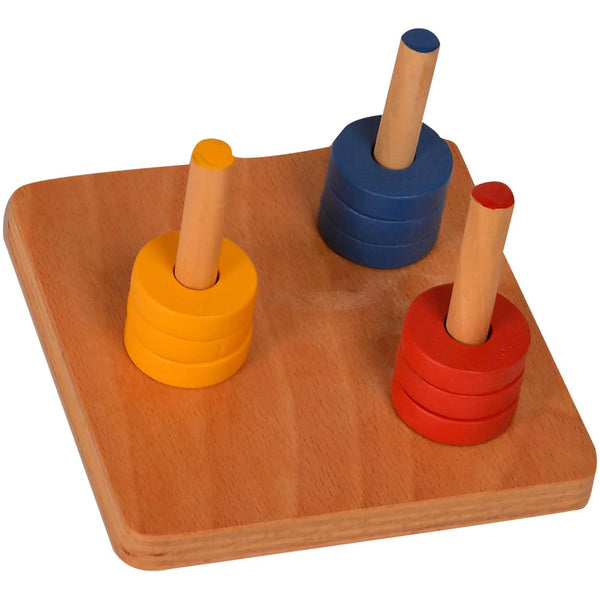
Introducing fine motor toys that also have sensory elements, like interlocking blocks with varied textures or lacing toys, can offer both tactile feedback and skill development. These types of toys encourage focus and persistence, crucial skills for many autistic children. The satisfying click of wooden blocks or the smooth feel of a polished stone can be incredibly engaging.
Empowering Autistic Children Through Thoughtful Play
The journey of parenting an autistic child in India is filled with unique joys and challenges. By understanding the critical role of sensory-rich toys, parents, therapists, and educators can create pathways for deeper engagement, self-regulation, and joyous learning. As the Livemint article suggests, these toys are not just about play; they are about fostering true inclusivity, one meaningful interaction at a time.
Every child deserves the opportunity to thrive, and for autistic children, thoughtful toy selection is a powerful step towards unlocking their full potential. Observing your child, understanding their unique sensory world, and providing them with the right tools empowers them to explore, learn, and connect with confidence and comfort.