Educational Toys for Special Needs: A Parent & Therapist Guide
To maximize the impact of educational toys for special needs children, it is essential to adopt a structured yet flexible approach that prioritizes individual needs, fosters consistent engagement, and integrates professional guidance. Research shows that tailored use of such toys significantly enhances developmental milestones, offering profound benefits for children in diverse learning environments across India.
For parents and therapists in India, understanding how to effectively implement these specialized tools can transform daily interactions into powerful learning opportunities. This guide provides actionable insights, ensuring every minute of play contributes meaningfully to a child's growth journey.
What are educational toys for special needs?
Educational toys for special needs are specifically designed tools that support developmental growth by addressing unique learning styles and challenges. This matters because they provide a safe, engaging medium for skill acquisition, crucial for building confidence and independence. Indian parents can leverage these toys to create supportive home learning environments, complementing therapy sessions effectively.
These toys cater to a spectrum of needs, from enhancing fine motor skill development and sensory integration to fostering communication and cognitive abilities. Their purpose extends beyond entertainment, serving as vital aids in therapy and home-based learning.
Tailoring Play: Individualized Strategies for Impact
Maximizing the benefits of educational toys for special needs children definitively requires an individualized approach, recognizing that each child's journey is unique. Child development experts agree that a one-size-fits-all strategy is ineffective; instead, focus on specific developmental goals and learning preferences.
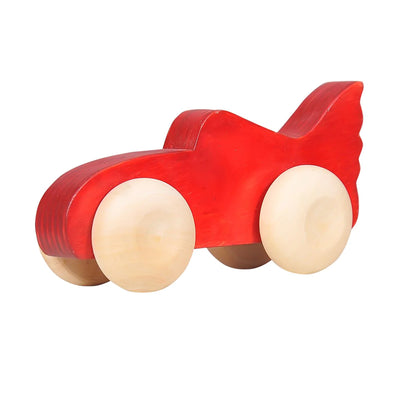
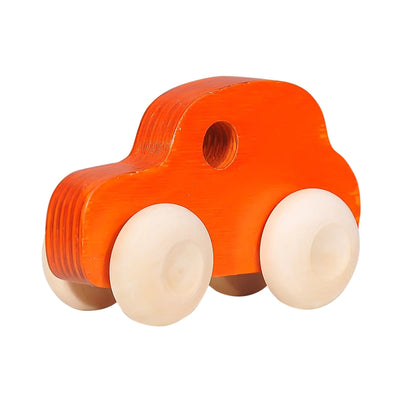
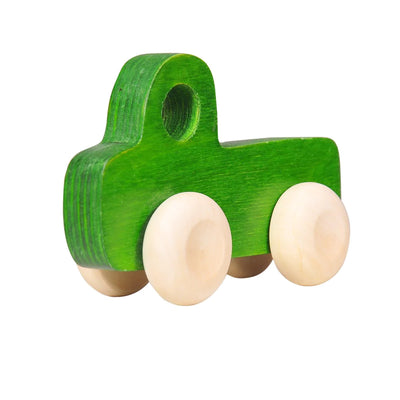
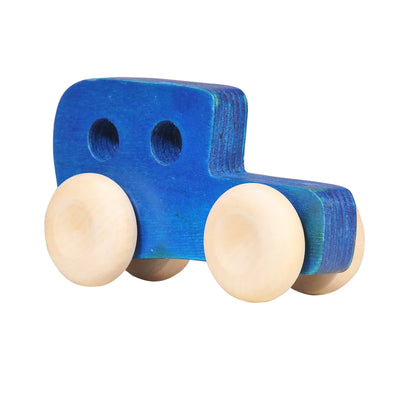
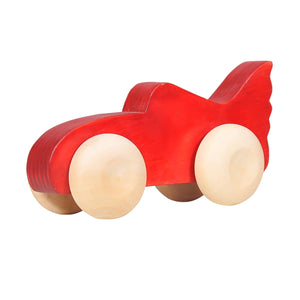
This means carefully observing how your child interacts with different materials and adapting your play techniques accordingly. For instance, a child with sensory sensitivities might prefer natural wood toys over brightly colored plastic, while another might thrive with highly tactile resources.
Understanding Individual Needs
Before introducing any new educational toy, take time to understand your child's specific diagnosis, strengths, and areas needing support. A collaborative discussion with therapists (occupational, speech, physical) is crucial for aligning toy selection with therapeutic goals.
Consider your child's current attention span, preferred learning style (visual, auditory, kinesthetic), and any sensory aversions or seeking behaviors. This foundational understanding empowers you to choose toys that truly resonate and engage, leading to sustained interest and progress.
Creating an Enabling Environment
The play environment plays a pivotal role in the effectiveness of educational toys. Establish a dedicated, clutter-free space in your Indian home where distractions are minimized, perhaps a quiet corner in the living room or a designated spot in the child's bedroom. This dedicated area signals a time for focused engagement.
Present toys purposefully, one or two at a time, to avoid overwhelming the child. Research shows that a curated selection enhances concentration and deepens interaction, rather than a large pile of options. Ensure all materials are easily accessible and organized, fostering independence.
Montessori Principles in Special Needs Education
Montessori educational toys for special needs children are particularly impactful because they align with principles of self-directed learning, sensory exploration, and practical life skills. Maria Montessori's philosophy emphasizes carefully designed materials that encourage independence, concentration, and a hands-on approach to understanding concepts.
This structured freedom allows children to explore at their own pace, making discoveries that build intrinsic motivation. The self-correcting nature of many Montessori materials means children can learn from their mistakes without direct intervention, fostering a sense of accomplishment.
Sensory Exploration and Fine Motor Development
Many Montessori materials are designed to engage multiple senses, which is incredibly beneficial for children with special needs. Sandpaper letters and numbers offer tactile experiences, while geometric solids allow for visual and kinesthetic learning.
These purposeful interactions are crucial for fine motor skill development toys, hand-eye coordination, and sensory integration. For instance, activities like transferring beads with tongs or using dressing frames directly refine fine motor skills essential for daily tasks.
Practical Life Skills and Independence
Montessori's practical life activities are foundational for building independence, a key goal for all children, especially those with special needs. Simple tasks like pouring water, buttoning, zipping, or sweeping with child-sized tools help develop coordination, concentration, and a sense of responsibility.
These activities resonate deeply within an Indian family context, where children often participate in household chores and family rituals. Incorporating these into daily play with Montessori learning materials fosters a sense of belonging and capability.
The Role of Therapists and Collaborative Approaches
A therapist guide for educational toys emphasizes a collaborative ecosystem where parents, educators, and specialists work in concert to support the child. Therapists possess specialized knowledge to identify specific developmental targets and can recommend the most appropriate toys and strategies to meet those goals.
Their expertise ensures that play is not just recreational but therapeutically informed and purposeful. This collaborative model is particularly vital in India, where access to specialized resources might be centralized, making parental implementation at home even more critical.
Integrating Therapy Goals into Play
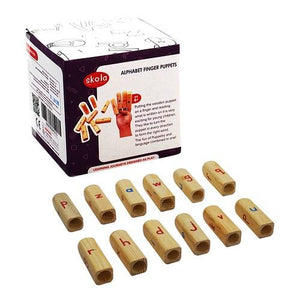
Therapists can guide parents on how to seamlessly integrate specific therapy goals into everyday play using educational toys. For example, if a child is working on verbal articulation, a speech therapist might suggest using puppets or story-building blocks to encourage conversational exchanges.
An occupational therapist might recommend specific puzzles or sorting games to improve grasp and bilateral coordination. Regularly communicating with your child's therapist about their progress and challenges with specific toys helps refine the strategy and ensures continuity of care.
Empowering Parents as Play Facilitators
Parents are the child's first and most consistent teachers, and therapists play a crucial role in empowering them to become effective play facilitators. This involves teaching parents how to model toy use, provide appropriate scaffolding, and offer positive reinforcement.
In the context of Indian joint families, involving grandparents and other caregivers in these strategies can create a more consistent and supportive learning environment. This holistic approach ensures that the impact of educational toys extends beyond therapy sessions into the child's daily life.
Fostering Inclusive Play and Community
Inclusive play strategies extend beyond the individual child, encompassing their social environment and community. Educational toys that promote collaboration, empathy, and understanding are crucial for fostering a sense of belonging for children with special needs.
Recent developments, like the introduction of the first autistic Barbie doll in India and the push for inclusion in the toys aisle, underscore the growing awareness and demand for representation. This signifies a positive shift towards celebrating neurodiversity and ensuring all children see themselves reflected in their play.
Furthermore, the Tamil Nadu government's toy manufacturing policy, eyeing the global market and artisan revival, presents an opportunity for developing more culturally relevant and inclusive toys within India. Encouraging playdates with neurotypical peers, facilitated by accessible and engaging toys, helps bridge social gaps and build invaluable friendships.
Such initiatives reinforce the message that every child, regardless of their abilities, deserves opportunities for joyful and developmental play within their community.
Key Takeaways
- To maximize impact, educational toys for special needs must be chosen and used with an individualized, needs-based approach.
- Montessori principles, focusing on sensory engagement and practical life skills, are highly effective for children with diverse special needs.
- Collaborative efforts between parents and therapists are essential for integrating therapeutic goals into everyday play.
- Creating a designated, clutter-free play environment significantly enhances a child's concentration and engagement with educational toys.
- The growing availability of inclusive toys, like the autistic Barbie, reflects a vital societal shift towards celebrating neurodiversity in play.
- Consistent parental engagement and adaptation to a child's evolving interests are more impactful than rigid adherence to a play schedule.
How do I choose the right educational toys for my child with special needs?
Choosing the right toy involves assessing your child's specific developmental stage, individual needs, and interests. Prioritize open-ended toys that encourage multiple ways to play and align with therapy goals, rather than focusing solely on age recommendations.
What role do therapists play in using educational toys effectively?
Therapists are vital in identifying specific developmental goals and recommending tailored educational toys to achieve them. They provide strategies for structured play, demonstrate proper usage, and help parents integrate therapeutic activities into daily routines at home.
Can Montessori toys benefit children with different special needs?
Yes, Montessori toys are highly beneficial for children with diverse special needs due to their self-correcting nature, focus on sensory engagement, and emphasis on practical life skills. They promote concentration, independence, and fine motor development across various learning profiles.
How can I make playtime structured yet fun for my child at home?
Create a predictable play routine and designate a specific, clutter-free play area to offer structure. Integrate your child's interests, offer choices within limits, and celebrate small achievements to keep the experience positive, engaging, and fun.
What are some common mistakes to avoid when using educational toys for special needs?
Avoid over-stimulating with too many toys at once, expecting immediate results, or forcing engagement if a child shows disinterest. Instead, observe, adapt, and remember that consistent, patient interaction is more impactful than rigid adherence to a schedule.
How does the Indian context influence toy selection for special needs children?
The Indian context emphasizes family involvement, traditional values, and often multi-generational living. Selecting toys that can be shared, support cultural learning, and are durable for home use, potentially with grandparents, ensures better integration into the family's lifestyle.