Educational Toys: Future of Inclusive Play in India
The landscape of educational toys in India is undergoing a profound transformation, moving decisively towards a future where every child, including those with special needs, finds joy and learning through play. Emerging trends indicate a strong focus on customisation, sensory engagement, and technology integration, making learning more accessible and impactful across Indian homes.
Inclusive play refers to creating environments and providing materials that enable all children, regardless of their abilities, to participate, learn, and grow together. This matters immensely because it fosters empathy, reduces stigma, and ensures every child receives developmentally appropriate stimulation. Indian parents can actively seek out toys designed to support diverse needs, fostering a truly inclusive home and learning space.
The Rise of Sensory-Rich and Adaptive Designs
Research consistently shows that multi-sensory experiences are crucial for children with special needs, particularly those with autism spectrum disorder. The emerging trend in India is towards innovative educational toys that integrate varied textures, sounds, and visual stimuli. This ensures deeper engagement and caters to different sensory processing needs, moving beyond single-sense focus.
Child development experts agree that adaptive designs, such as toys with larger grips, simplified mechanics, or adjustable components, are becoming standard. This allows for broader accessibility and caters to varying fine motor skills and cognitive abilities. As highlighted by livemint.com, toys for autistic children are specifically designed to foster inclusivity, promoting engagement without overstimulation.
Integrating Technology for Enhanced Learning
The future of kids learning toys in India increasingly embraces thoughtful technology integration. While Maria Montessori championed hands-on, tactile learning, modern innovations are complementing these principles, not replacing them. Augmented Reality (AR) apps that overlay digital information onto physical objects, and interactive digital boards, are providing engaging avenues for cognitive development.
Studies indicate that carefully curated digital tools can enhance communication skills, problem-solving, and literacy for children with special needs. These technological aids, when used alongside traditional Montessori materials like the pink tower or sandpaper letters, offer a blended learning experience that caters to a wider range of learning styles, respecting the child's individual pace and interests.
Personalisation and Customisation in Montessori Toy Trends
A significant shift in Montessori toy trends is the move towards personalisation, reflecting the unique developmental journey of each child. Gone are the days of a one-size-fits-all approach; instead, parents and educators are seeking toys that can be adapted to specific learning goals and sensory preferences. This means more modular designs and open-ended materials that can be used in multiple ways.
This trend is particularly relevant in India, where the Tamil Nadu government's policy to turn the state into a toy-making hub, as reported by The New Indian Express, supports local artisans who can create bespoke and culturally relevant playthings. Such initiatives not only boost the economy but also allow for a richer variety of customised Montessori materials that truly resonate with Indian children and their families.
Eco-Conscious and Sustainable Play Materials
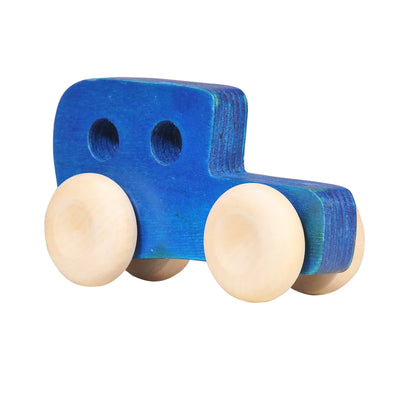
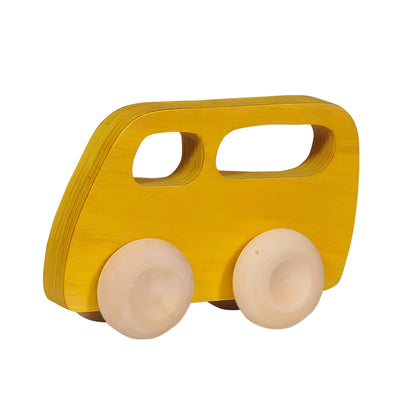
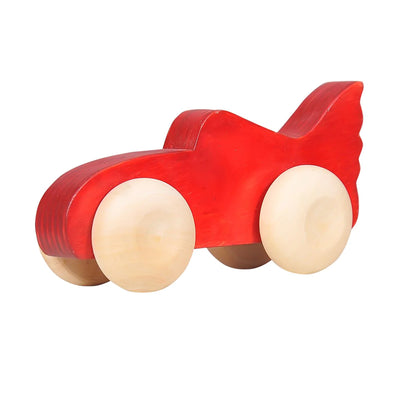
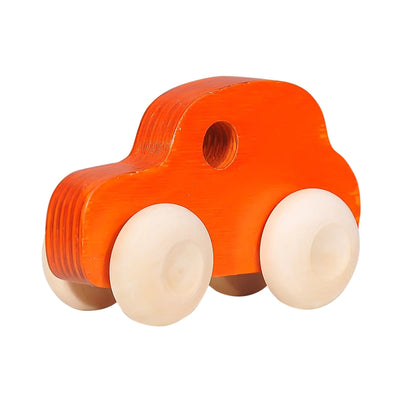
The demand for eco-conscious and sustainable materials is a powerful driver in inclusive toys trends India. Parents are increasingly prioritising toys made from natural, non-toxic, and renewable resources, reflecting a growing awareness of environmental impact and child safety. Wooden toys, organic fabrics, and plant-based plastics are gaining significant traction.
This aligns well with traditional Indian values of sustainability and handcrafted quality, often passed down through generations. Such materials are not only safer for children but also offer unique tactile experiences that are beneficial for sensory development, aligning with the core principles of Montessori education.
The Role of Community and Family in Inclusive Play
In the Indian context, the extended family and community play an irreplaceable role in fostering inclusive play. Grandparents, aunts, and uncles often engage children in traditional games and storytelling, which naturally promote social skills and cognitive development. This collective involvement ensures that children with special needs receive broad support and diverse interactions.
Therapists and inclusive educators are increasingly collaborating with families, offering guidance on integrating specialised toys into daily routines and celebrating festivals, making learning a natural part of family life. This holistic approach, from home to school, ensures consistent encouragement and opportunities for growth.
Looking Ahead: SkilloToys' Commitment to Every Child
SkilloToys.com is committed to being at the forefront of these positive developments in India. We meticulously curate our collection, ensuring each educational toy supports developmental milestones and caters to diverse learning needs. Our focus remains on empowering every child to explore, learn, and thrive through thoughtfully designed, inclusive play.
We believe that by embracing these emerging trends, we can collectively build a more inclusive future where play is a powerful catalyst for growth and understanding. SkilloToys stands as your partner in navigating this exciting evolution, bringing the best of global and Indian innovation to your doorstep in Bengaluru and across the nation.
- The future of educational toys in India focuses on customisation and sensory engagement for special needs children.
- Adaptive designs and multi-sensory experiences are critical for effective inclusive play.
- Technology, when integrated thoughtfully, can enhance learning and communication for diverse learners.
- Personalisation in Montessori toys caters to individual learning paces and specific developmental goals.
- Eco-conscious and sustainable materials are gaining prominence, aligning with Indian values and safety standards.
- Family and community involvement are essential pillars for successful inclusive play in India.
What are the biggest emerging trends in inclusive educational toys in India?
The biggest trends include a focus on sensory-rich and adaptive designs, the integration of technology for enhanced learning, and a significant move towards personalisation and eco-conscious materials. These innovations aim to cater to the diverse needs of every child.
How do Montessori principles align with future inclusive toy trends?
Montessori principles, with their emphasis on hands-on, self-directed learning and individual pace, align perfectly with future inclusive toy trends. They provide a foundational framework for developing adaptable materials that support diverse learning styles and developmental stages.
Are technological educational toys beneficial for children with special needs?
Yes, technological educational toys, when thoughtfully designed, offer significant benefits by providing interactive, engaging, and customisable learning experiences. They can assist with communication, fine motor skills, and cognitive development, especially when balanced with traditional hands-on play.
How can Indian parents identify truly inclusive educational toys?
Indian parents should look for toys that are adaptable, multi-sensory, durable, and promote open-ended play. It is crucial to consider materials that are safe and non-toxic, and toys that support various developmental areas without being overly prescriptive.
What role do grandparents play in promoting inclusive play in Indian families?
Grandparents play a vital role by fostering a supportive home environment, sharing traditional wisdom, and engaging children in play that builds bonds and develops skills. Their involvement often introduces children to diverse play experiences, enhancing overall inclusion within the joint family system.