How Toys for Autistic Children Can Foster Inclusivity
How toys for autistic children can foster inclusivity is a critical question for many families across India. Research shows that specially designed educational toys provide structured opportunities for shared play, which is fundamental in building social connections and integrating autistic children into broader family and community life. By focusing on mutual engagement and understanding, these tools empower children to connect with siblings, grandparents, and peers in meaningful ways.
Shared play for autistic children is reciprocal engagement around a common activity, evolving from parallel play to more interactive games. This matters because it builds crucial social understanding, communication, and empathy. Indian parents can facilitate this by introducing purposeful educational toys that invite interaction and cooperation in the home.
Montessori Principles: A Foundation for Inclusive Play
Child development experts agree that Maria Montessori's philosophy, with its emphasis on a 'prepared environment' and self-directed learning, provides an ideal framework for supporting autistic children. Montessori materials are designed to be concrete, hands-on, and self-correcting, allowing children to learn at their own pace without external judgment. This independence fosters confidence, a crucial precursor to successful social interaction.
For an autistic child in an Indian joint family, where many interactions occur simultaneously, the predictable and structured nature of Montessori play offers a calming and empowering space. It builds foundational skills that translate into better engagement with family members during festivals or daily routines. Studies indicate that structured play environments significantly improve attention and task engagement in children with autism.
Montessori Toys for Social Skills: Building Bridges to Shared Experiences
Montessori educational toys are uniquely positioned to enhance fine motor skills and, crucially, foster Montessori toys for social skills development. Materials like the Pink Tower or Brown Stair, while appearing solitary, encourage joint attention when a parent or sibling works alongside the child. This parallel play naturally progresses into shared observation and, eventually, collaborative activities.
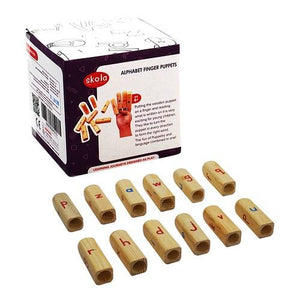
Practical Life materials, such as pouring water or buttoning frames, promote turn-taking and shared responsibility, essential social etiquette in Indian households. Language materials, like Sandpaper Letters or Moveable Alphabets, can become a basis for shared storytelling or decoding, creating a common communication ground. This structured interaction helps bridge communication gaps, allowing siblings to understand and engage with their autistic brother or sister more effectively.
Creating Shared Play Opportunities: Practical Steps for Indian Families
Fostering shared play for autistic children requires intention and a prepared environment. In Indian homes, where multi-generational living is common, involving grandparents and older siblings can create a rich tapestry of inclusive experiences. Start with activities that require minimal verbal instruction, focusing on shared physical actions like building with blocks or sorting shapes together.
Parents can gently guide siblings to demonstrate rather than dictate, using visual cues and simple language. Celebrating small victories, like a shared laugh during a game or a moment of sustained joint attention, reinforces positive interactions. While academic pressures are significant in India, dedicating specific, calm times for inclusive play can significantly reduce stress and enhance family bonds. Educational toys for autistic children India offers are designed precisely for these focused, enriching interactions.
The Transformative Impact of Inclusive Play for Autistic Children in India
The journey towards inclusive play for autistic children through thoughtful toy selection is truly transformative. When children feel understood and included in play, their self-esteem flourishes, and their capacity for communication expands. Research consistently shows that participation in inclusive play settings leads to improved social communication skills, enhanced emotional regulation, and a reduction in feelings of isolation for autistic children. These benefits extend beyond playtime, positively influencing their interactions at school and within the broader community.
By investing in high-quality Montessori educational materials, Indian families are not just buying toys; they are providing tools for connection, understanding, and a more inclusive future. The increasing focus on local toy manufacturing, as highlighted by initiatives like Tamil Nadu's push to become a toy-making hub, promises even greater access to these vital resources for Indian children with special needs.
- Montessori educational toys directly foster shared play experiences for autistic children.
- Structured play through Montessori materials enhances social skills and communication.
- A prepared play environment in Indian homes encourages family members to engage inclusively.
- Specific Montessori materials, like sensorial and practical life activities, build foundational social etiquette.
- Inclusive play improves self-esteem, emotional regulation, and reduces isolation in autistic children.
- The growth of Indian toy manufacturing supports greater access to beneficial educational tools.
What is shared play for autistic children?
Shared play for autistic children involves reciprocal engagement where two or more children interact around a common activity or goal. This can range from parallel play, where children play alongside each other, to more complex cooperative games, fostering mutual understanding and connection.
How do Montessori toys specifically help with social skills?
Montessori toys are designed to be self-correcting and invite focused, independent work, which builds confidence and concentration. This mastery then empowers autistic children to engage more confidently in social settings, initiating interactions and understanding turn-taking through the structured nature of the materials.
Are Montessori toys suitable for all autistic children?
Montessori toys are highly adaptable and cater to a wide range of developmental levels and sensory preferences, making them suitable for most autistic children. The hands-on, concrete nature and sensory engagement of the materials provide a consistent and predictable learning environment, which is often beneficial.
How can Indian parents encourage siblings to play inclusively?
Indian parents can encourage inclusive play by modeling patience and empathy, creating a designated 'prepared environment' for shared activities, and selecting toys that naturally invite collaboration or parallel engagement. Celebrating small successes in shared play reinforces positive interactions among all children in the family.
Where can I find educational toys for autistic children in India?
SkilloToys.com offers a curated selection of high-quality Montessori educational toys specifically beneficial for autistic children, catering to various developmental needs and promoting social-emotional growth. Our collection is designed to support families across India in fostering inclusive play experiences.