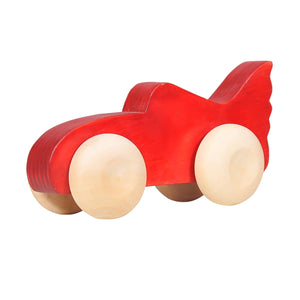
Inclusive Educational Toys: Empathy for Neurodiversity
Cultivating inclusive educational toys empathy in all children is paramount for fostering a compassionate society. These specifically designed educational tools actively bridge understanding, helping every child, regardless of their own neurotype, to appreciate and connect with neurodiverse individuals. Research consistently shows that early exposure to diverse experiences through play significantly enhances a child's capacity for empathy and acceptance.
This is crucial in India, where bustling communities and joint families mean children interact with a wide spectrum of personalities and learning styles daily. As recent discussions, from Mint's 'How toys for autistic children can foster inclusivity' to the buzz around the 'Autistic Barbie,' highlight, the toy industry is increasingly recognising its role in promoting inclusion beyond just catering to special needs children.
What is Empathy for Neurodiversity Through Play?
Empathy for neurodiversity through play involves designing toys that help all children understand and relate to diverse ways of thinking, feeling, and processing information. This matters because it cultivates a foundational respect for individual differences, fostering a truly inclusive mindset. Indian parents can actively choose toys that encourage perspective-taking and celebrate unique cognitive styles.
The Power of Inclusive Toy Design Benefits for All Children
The benefits of inclusive toy design extend far beyond just children with special needs; they enrich the developmental journey of every child. When toys are thoughtfully crafted to accommodate a broad spectrum of abilities and preferences, they inherently teach flexibility, patience, and a deeper understanding of human diversity. This approach prepares children for a world where different minds interact and collaborate daily.
Child development experts agree that engaging with diverse play experiences helps children develop crucial social-emotional skills, such as problem-solving, negotiation, and perspective-taking. In the context of Indian homes, where children often grow up alongside relatives with varied needs and capabilities, these toys provide a natural, unintimidating pathway to fostering mutual respect and compassion from a young age.
Designing Toys for Neurodiversity Understanding: Core Principles
Effective toys for neurodiversity understanding are not just adaptations, but rather embody universal design principles that inherently support varied learners and promote empathy. These principles focus on accessibility, engagement, and the celebration of different strengths, preparing all children to thrive in diverse environments.
Multi-Sensory Engagement and Inclusive Toy Design Benefits
Montessori education, pioneered by Maria Montessori, champions multi-sensory learning, which is a cornerstone of inclusive toy design. Materials like sandpaper letters or textured blocks engage touch, sight, and sometimes even sound, allowing children to process information through their strongest sensory channels. This design naturally helps children understand that there are multiple ways to learn and experience the world, fostering appreciation for diverse sensory profiles.
Open-Ended Play Fosters Creative & Diverse Thinking
Open-ended toys, such as building blocks, art supplies, or a simple set of nesting dolls, encourage children to engage without prescribed outcomes. This freedom allows children to approach tasks in their unique way, fostering creative problem-solving and valuing different solutions. Such play naturally develops fine motor skills while also promoting a respect for diverse cognitive processes, which is key to understanding neurodiversity.
Role-Playing & Perspective-Taking Through Diverse Characters
Toys that facilitate role-playing, especially those featuring diverse characters, are powerful empathy-building tools. When children engage with dolls or figurines that represent various neurotypes, physical abilities, or cultural backgrounds – much like the discussions around an 'Autistic Barbie' – they learn to step into another's shoes. This helps them understand different emotional expressions, communication styles, and daily challenges, cultivating a compassionate mindset.
Clear Cause-and-Effect in Empathy Building Toys
Toys with clear cause-and-effect relationships, such as puzzles or sorting activities, provide predictable feedback. This can be particularly beneficial for neurodiverse children who thrive on structure, and it helps all children understand logical sequences and consequences. Observing how peers interact with these predictable systems, and how they might react differently, builds a subtle yet profound understanding of diverse learning patterns.
Cultivating Empathy Building Toys in Indian Homes
Integrating empathy building toys into the fabric of Indian family life is simpler than one might imagine. It starts with choosing toys that invite interaction and discussion, transforming playtime into a learning opportunity about respect and understanding. Parents can lead by example, encouraging children to explore and appreciate differences.
Encourage joint play sessions where grandparents, parents, and children interact with a variety of materials, promoting shared experiences and communication. Discussing the 'what ifs' or 'how do you think they feel' during play helps children articulate their understanding of others' perspectives. This approach not only prepares children for school but also for navigating the rich tapestry of Indian society, where diverse individuals are part of everyday life.
Teaching Empathy for Special Needs Through Thoughtful Play
At SkilloToys, our Montessori learning materials are inherently designed with principles that promote empathy for special needs by supporting universal development. For instance, the Montessori Method learning materials, like the Pink Tower or practical life exercises, are crafted to be self-correcting and provide clear, sequential learning. This structure is incredibly beneficial for children with diverse learning styles, allowing them to progress at their own pace and build confidence.
By engaging with these materials, all children learn that there are many paths to mastery and understanding. Observing a peer approach a task differently, or needing varied support, helps foster a natural sense of patience and helpfulness, rather than judgment. This kind of play nurtures a genuine acceptance and teaches that unique abilities are simply part of the rich spectrum of human experience, aligning with the growing movement for inclusivity in education, as seen in India's push for new toy manufacturing hubs like Tamil Nadu mentioned by The Times of India.
- Inclusive educational toys actively cultivate empathy and understanding for neurodiversity in all children.
- Multi-sensory engagement in toy design helps children understand diverse learning and sensory processing.
- Open-ended play encourages varied problem-solving approaches, fostering respect for different cognitive styles.
- Role-playing with diverse characters aids in perspective-taking and understanding varied emotional expressions.
- Montessori materials, with their self-correcting and structured nature, are excellent tools for building empathy and supporting diverse learners.
- Early exposure to inclusive play significantly enhances a child's capacity for acceptance and compassion.