Inclusive Toy Manufacturing India: Elevating Special Needs Play
Inclusive toy manufacturing India, particularly within emerging hubs like Tamil Nadu, is profoundly transforming educational play for children with special needs. By integrating local artisans and an inclusive workforce into production, these initiatives are crafting more thoughtfully designed and culturally resonant toys, directly enhancing developmental outcomes for Indian children.
For Indian parents, finding educational toys that truly resonate with a child's unique developmental journey is paramount. The shift towards inclusive toy production is a beacon of hope, promising not just playthings, but tools for growth, connection, and joy within our diverse families.
What is Inclusive Toy Manufacturing?
Inclusive toy manufacturing designs and produces toys with accessibility and diverse needs in mind, often employing a diverse workforce including local artisans or individuals with disabilities. This matters because it creates toys that truly cater to a wider spectrum of developmental requirements, fostering a sense of belonging. Indian parents can seek out such ethically produced, thoughtfully designed toys.
How Inclusive Manufacturing Fosters Thoughtful Design for Special Needs
Research shows that access to appropriately designed educational toys significantly improves developmental milestones for children with special needs. Inclusive toy manufacturing goes beyond standard safety to incorporate universal design principles, ensuring toys are accessible and engaging for children across the spectrum of abilities. This involves considering various sensory inputs, fine motor challenges, and cognitive processes during the design phase.
For instance, toys designed with varied textures, easy-to-grasp components, or clear visual cues directly support children with sensory processing differences or fine motor challenges. Child development experts agree that such deliberate design choices are critical for fostering independent play and learning, reducing frustration, and boosting a child's self-esteem. It ensures that a child with autism, for example, finds comfort and engagement, rather than overwhelm, in their playtime.
Artisan Revival in India Creates Culturally Relevant Special Needs Toys
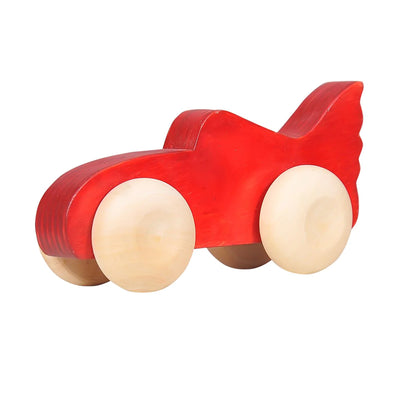
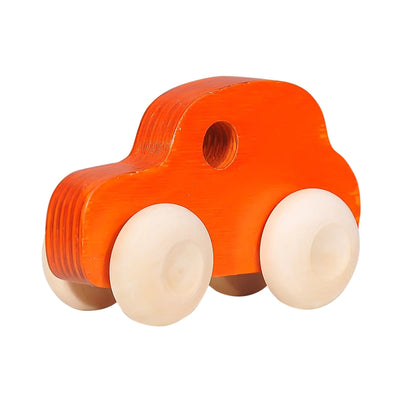
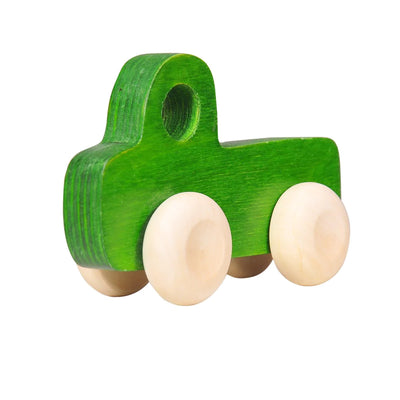
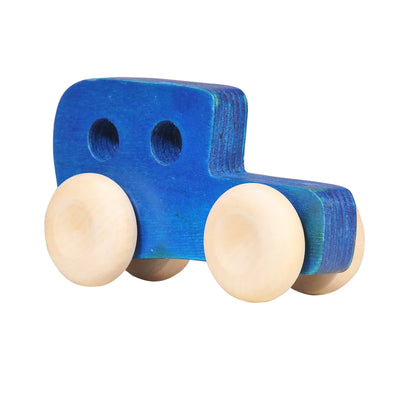
The revival of traditional artisan crafts across India, a significant aspect of the nation's push to become a toy-making hub, is proving to be a game-changer for artisan special needs toys India. Artisans, with their deep understanding of natural materials like wood, clay, and fabric, are uniquely positioned to create tactile, sensory-rich toys that are often naturally inclusive.
These handcrafted toys often feature irregular textures, varying weights, and natural dyes, providing invaluable sensory input that mass-produced plastic toys cannot replicate. Moreover, incorporating elements of Indian culture—from traditional patterns to toys depicting familiar Indian scenes or festivals—makes these educational tools deeply relatable. Imagine a child with developmental delays engaging with a wooden puzzle depicting a bustling Indian market or traditional musical instruments; this fosters connection and cultural pride within their joint family setting.
Social Impact: Beyond Play, Building a Better India
The rise of social impact educational toys goes far beyond the playroom; it builds a more equitable society. By intentionally employing individuals with disabilities in the manufacturing process, companies contribute to economic empowerment and challenge societal stereotypes. This inclusive workforce brings unique perspectives to toy design, often leading to more empathetic and truly effective products for children with special needs.
Studies indicate that businesses adopting inclusive employment practices benefit from increased innovation and employee loyalty. For parents, choosing such ethically produced toys means not only supporting their child's development but also contributing to a fairer India, where every individual has an opportunity to thrive. This resonates deeply with the values of many Indian families, who prioritize community and social responsibility.
Tamil Nadu's Rise as a Hub for Inclusive Toy Production
Recent news, including reports in The Times of India about Tamil Nadu's strategic development as a toy-making hub, highlights a pivotal moment for Tamil Nadu toy industry inclusion. The state's focus on attracting toy manufacturers, coupled with its emphasis on local artisan revival, positions it at the forefront of inclusive toy production India.
This initiative is not just about economic growth; it's about fostering an ecosystem where thoughtful design for diverse needs becomes standard. Government policies supporting skill development and infrastructure are creating an environment where innovative companies can thrive, bringing a wider range of high-quality Montessori-inspired educational materials to the market. This means more accessible and beneficial toys for children across India, from Bengaluru to Bhubaneswar, directly impacting families seeking the best for their children.
The Montessori Approach: A Foundation for Inclusive Play
Maria Montessori's philosophy, which underpins the offerings at SkilloToys, is inherently inclusive. Montessori materials are designed to be self-correcting, allowing children to learn at their own pace and discover concepts through hands-on exploration. This approach is particularly beneficial for children with special needs, providing concrete experiences that build foundational skills.
Whether it's the structured learning offered by a Montessori math material for a child needing visual consistency or the sensory exploration of practical life activities, these toys are crafted to meet individual needs. The emphasis on independent learning and concentration cultivates focus and a sense of achievement, which are crucial for every child's development, especially during their early formative years (e.g., 18-36 months).
The evolving landscape of toy manufacturing in India is a testament to our nation's commitment to inclusivity and cultural preservation. As parents, educators, and therapists, understanding this shift empowers us to make informed choices that benefit our children and contribute to a more compassionate society. The blend of traditional artistry and modern inclusive practices ensures that every child, regardless of their unique abilities, has access to educational toys that truly support their journey.
What is inclusive toy manufacturing?
Inclusive toy manufacturing designs and produces toys with accessibility and diverse needs in mind, often employing a diverse workforce including local artisans or individuals with disabilities. This approach ensures toys cater to a wider spectrum of developmental requirements, fostering a sense of belonging and ethical production.
How do Indian artisans contribute to special needs toys?
Indian artisans contribute by infusing traditional craftsmanship and culturally relevant elements into special needs toys, making them more relatable and engaging for children. Their expertise in natural materials and tactile designs often results in toys that naturally support sensory and fine motor development, like wooden puzzles or clay modeling sets.
Why is Tamil Nadu becoming a key hub for inclusive toy production?
Tamil Nadu is becoming a key hub due to supportive government policies, investment in manufacturing infrastructure, and a rich tradition of craftsmanship, as reported by The Times of India. This environment fosters inclusive production practices, attracting manufacturers committed to creating high-quality, specialized educational toys for diverse learners.
How can I identify genuinely inclusive educational toys for my child?
To identify genuinely inclusive educational toys, look for certifications, transparent manufacturing processes, and descriptions that detail specific developmental benefits and adaptive features. Prioritise brands like SkilloToys that align with Montessori principles and actively promote diversity in their design and production, ensuring they are truly thoughtful.
Do Montessori toys align with the principles of inclusive play?
Yes, Montessori toys inherently align with inclusive play by offering self-correcting, hands-on, and multi-sensory learning experiences that cater to varied learning styles and paces. Maria Montessori’s philosophy emphasizes individualized learning, making materials like the Pink Tower or Sandpaper Letters highly adaptable and beneficial for children with diverse needs.
- Inclusive toy manufacturing in India is transforming play for special needs children by focusing on thoughtful design and accessibility.
- The revival of Indian artisan crafts contributes unique, culturally relevant, and sensory-rich toys for diverse developmental needs.
- Employing an inclusive workforce in toy production creates significant social impact, fostering economic empowerment and diverse design perspectives.
- Tamil Nadu's emergence as a toy-making hub is accelerating the growth of inclusive toy production through supportive policies and infrastructure.
- Montessori principles, championed by SkilloToys, naturally align with inclusive play, offering self-correcting and hands-on learning for all children.
- Choosing ethically manufactured inclusive toys supports both a child's holistic development and a more equitable society in India.