India Toy Manufacturing Policy & Inclusive Toys Benefits
India's burgeoning India toy manufacturing policy inclusive toys initiatives, particularly the recent measures from states like Tamil Nadu, stands to profoundly benefit special needs children by increasing the availability and diversity of inclusive toys. This strategic focus, coupled with a powerful artisan revival, promises to make high-quality, culturally relevant, and developmentally appropriate educational toys more accessible and affordable for families seeking tailored learning solutions.
India's toy manufacturing policy refers to government initiatives aimed at boosting domestic toy production through incentives, infrastructure development, and skill enhancement. This matters because it reduces reliance on imports and fosters creation of diverse, high-quality, and affordable toys. Indian parents can anticipate a wider array of accessible, locally-made educational toys tailored for their children's unique needs.
The Impact of India Toy Manufacturing Policy on Inclusive Toys
The recent push, exemplified by the Tamil Nadu government's dedicated toy manufacturing policy, marks a significant turning point for the availability of inclusive toys in India. For too long, Indian families have navigated a market heavily reliant on imports, often finding limited options or prohibitive costs for specialised educational toys. This policy shift is designed to transform the landscape, fostering local production that adheres to rigorous safety and quality standards, which is paramount for children with special needs.
Studies indicate that the global educational toys market is projected for substantial growth, with reports like those from Straits Research forecasting continued expansion towards 2034. India's active participation in this growth, driven by policy, means more localised research and development will focus on specific developmental aids. This ensures toys are not just safe and durable but also culturally resonant and pedagogically sound for Indian children, a crucial aspect for holistic development.
Parents in bustling cities like Bengaluru, and even in smaller towns, often face challenges finding appropriate Montessori materials. The 'Make in India' initiative, bolstered by these state-level policies, promises to fill this gap. Imagine a future where beautifully crafted Montessori materials like sandpaper letters or a pink tower are readily available, made with local materials and adapted for the nuances of Indian homes and learning styles, empowering children in joint families and individual settings alike.
Artisan-Made Special Needs Toys India: A Revival for Purposeful Play
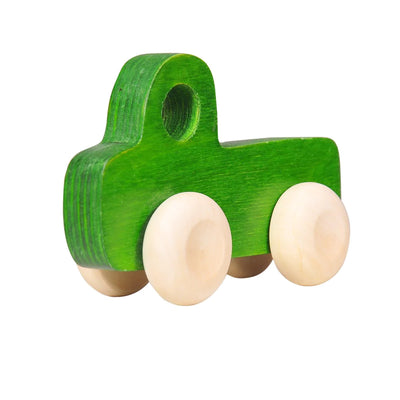
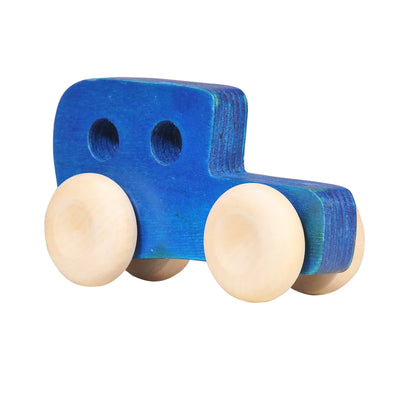
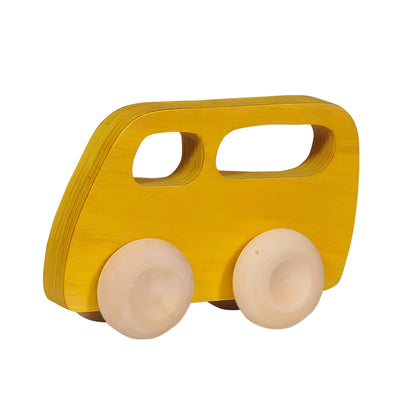
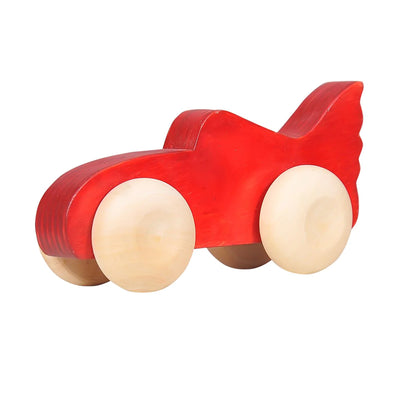
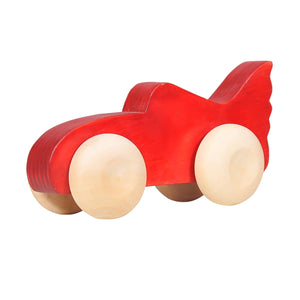
Beyond industrial manufacturing, the artisan revival championed by these government initiatives offers a unique and invaluable dimension to inclusive play. Traditional Indian craftsmanship, known for its intricate detailing and use of natural, sustainable materials, can be perfectly re-imagined for special needs children. These artisan made special needs toys India often possess a tactile richness and aesthetic appeal that mass-produced items sometimes lack.
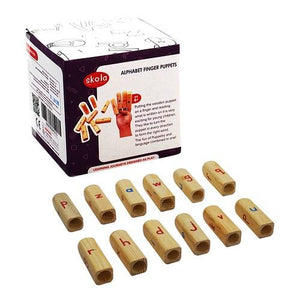
Child development experts agree that multi-sensory engagement is vital for children across all developmental spectrums, especially for those with conditions like autism. Artisan-crafted wooden puzzles, textile-based sorting games, or pottery sets can provide unique sensory inputs that support learning and exploration. These handmade treasures can foster concentration and fine motor skills, offering a gentle yet effective pathway to skill acquisition.
The revival supports local communities and ensures toys reflect India’s diverse cultural fabric, moving beyond generic designs. As a recent Mint article highlighted, 'How toys for autistic children can foster inclusivity,' the value lies not just in the toy itself but in its ability to connect a child to their environment. Imagine grandparents using a beautifully hand-painted wooden toy depicting a local festival to teach a child with developmental delays about their heritage – a profound form of inclusive education.
Tamil Nadu Toy Policy Impact on Diverse Educational Toys
The Tamil Nadu toy policy impact is expected to be particularly transformative, given the state's strategic focus on becoming a major manufacturing hub. This dedicated push includes incentives for R&D and skill development, which are critical for innovating in the inclusive educational toy sector. This means we can anticipate a broader range of toys designed to address specific learning styles and developmental goals.
This diversification extends beyond traditional playthings, embracing toys that specifically cater to various special needs. For instance, the discussion around 'Autistic Barbie' and the wider push for inclusion in the toy aisle, as reported by Deccan Herald, underscores a growing global demand for representational and adaptive toys. Tamil Nadu's policy can catalyse the creation of similar, locally relevant adaptive toys, fostering self-identification and reducing feelings of isolation for children.
From specialized fidget toys that help children with ADHD focus during schoolwork, to tactile storybooks aiding visually impaired children in learning, the possibilities are immense. These are not just toys; they are tools for empowerment, helping children navigate the pressures of schooling and social interactions within their communities. The policy directly enables this innovation right here in India, ensuring products meet local needs and budgets.
Government Initiatives & the Future of Educational Toys India
These government initiatives inclusive toys are not isolated efforts but form part of a larger national vision to establish India as a global toy manufacturing powerhouse. This holistic approach involves not just production but also fostering an ecosystem of research, design, and testing. A robust infrastructure for quality assurance is particularly vital for educational toys, guaranteeing safety and efficacy for all children, especially those with unique sensitivities.
The future of educational toys India is bright, promising a landscape where every child, regardless of their developmental journey, has access to tools that support their growth. SkilloToys.com is deeply committed to this vision, carefully curating Montessori materials and educational toys that align with the principles of inclusive play and child-centric learning. We believe that well-designed toys are fundamental to unlocking every child's potential, making learning a joyful and accessible experience.
As parents, therapists, and educators, understanding these policy shifts is empowering. It means advocating for even more focused development, supporting local artisans, and choosing toys that are thoughtfully designed. This collective effort ensures that India’s children, particularly those with special needs, receive the very best resources to thrive.
- India's new toy manufacturing policies are set to significantly increase the domestic supply of diverse and inclusive educational toys for special needs children.
- The Tamil Nadu government's policy specifically aims to establish a toy manufacturing hub, fostering innovation and localized production.
- Artisan revival initiatives contribute unique, multi-sensory, and culturally relevant toys, ideal for therapeutic and developmental support.
- Government support ensures higher safety standards and quality control for locally produced educational toys.
- The focus on domestic production makes high-quality inclusive toys more accessible and affordable for Indian families.
- These policy shifts are crucial for building an ecosystem that supports R&D and caters to the specific learning needs of every Indian child.
How does India's toy manufacturing policy benefit children with special needs?
India's toy manufacturing policy increases the domestic availability of diverse, high-quality inclusive toys. This reduces import dependency and ensures toys are specifically designed to support the unique developmental needs of children with special needs.
What role do artisans play in producing inclusive toys?
Artisans contribute unique, hand-crafted toys made from natural materials, offering rich sensory experiences. These culturally relevant items can be tailored to specific therapeutic needs, supporting fine motor skills and cognitive development in an engaging way.
How will the Tamil Nadu toy policy impact the market for educational toys?
The Tamil Nadu toy policy is expected to drive significant investment in R&D and production, leading to a wider variety of innovative educational toys. This includes specialised adaptive toys that cater to diverse learning styles and developmental challenges.
Are locally manufactured inclusive toys safe and high quality?
Yes, government policies are emphasising stringent safety and quality standards for domestically produced toys. This ensures that inclusive educational toys meet necessary regulations, providing parents with reliable and durable options for their children.
Will inclusive educational toys become more affordable due to these initiatives?
Absolutely. By boosting local production and reducing import costs, government initiatives aim to make high-quality inclusive educational toys more accessible and affordable for Indian families. This helps ensure every child can access the tools they need to thrive.