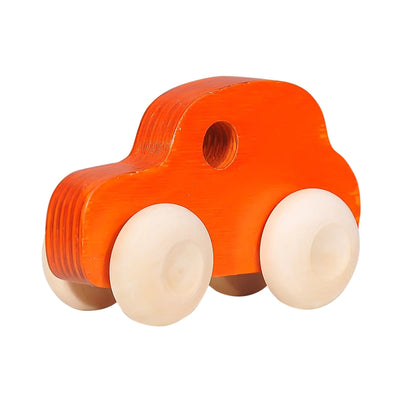
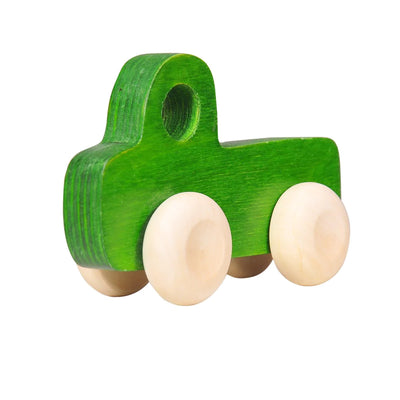
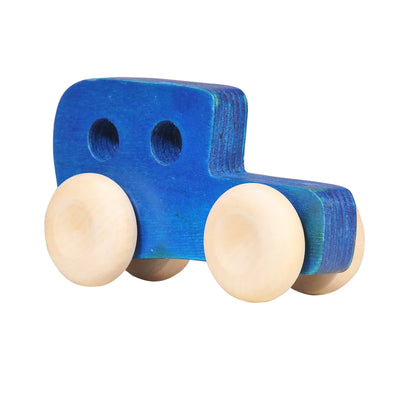
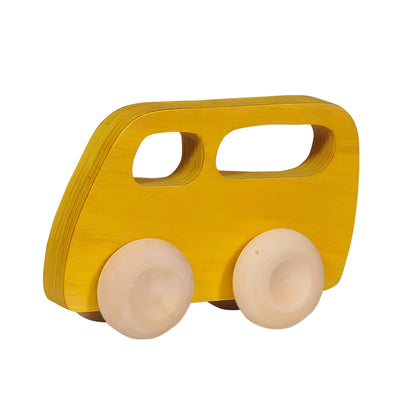
Indian Artisan Inclusive Toys: A New Era for Special Needs
India's new toy manufacturing policy, particularly the one unveiled by the Tamil Nadu government, holds immense promise for the creation of Indian artisan inclusive toys by revitalizing local craftsmanship and promoting the development of culturally resonant Montessori materials designed specifically for children with special needs. This pivotal shift encourages artisans to craft high-quality, engaging toys that cater to diverse developmental needs while deeply connecting with India's rich heritage, ensuring every child finds joy and learning in play. Child development experts agree that early exposure to relevant, stimulating materials significantly enhances developmental outcomes.
For many Indian families, finding toys that authentically reflect their child’s cultural context while also addressing specific developmental requirements can be a challenge. This new policy creates an unparalleled opportunity to bridge this gap, ensuring that our children with special needs have access to toys that feel like home and aid their unique learning journeys effectively.
Empowering Local Craftsmanship for Tailored Special Needs Solutions
The Tamil Nadu government’s new toy manufacturing policy, aimed at global market penetration and artisan revival, marks a significant step towards creating a robust domestic toy industry. This focus on local production and traditional skills directly benefits the special needs community by fostering an environment where toys can be specifically designed and manufactured with the nuances of Indian children's developmental needs in mind. Unlike mass-produced imports, local artisans can meticulously craft materials that integrate therapeutic benefits with cultural familiarity.
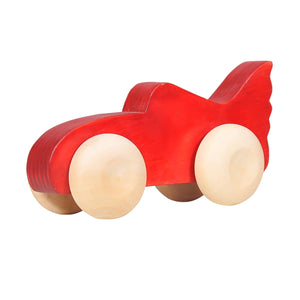
Research shows that children respond more positively to learning tools that resonate with their environment and traditions. This policy empowers artisans to create high-quality, durable wooden toys and sensory materials that are not only safe and non-toxic but also incorporate traditional Indian motifs, colours, and textures. This ensures that every toy is a labor of love, crafted with precision and a deep understanding of its purpose, rather than being a generic product.
What are Culturally Relevant Inclusive Toys?
Culturally relevant inclusive toys are educational tools specifically designed to meet the diverse developmental needs of children with special needs, while simultaneously incorporating elements of their local culture, traditions, and everyday life in India. This approach matters because it provides a sense of identity and belonging, making learning more engaging and meaningful. Indian parents can choose toys that reflect their family values and help their child connect with their heritage.
The Power of Culturally Relevant Special Needs Toys in India
For children with special needs in India, culturally relevant toys are more than just playthings; they are vital bridges to understanding their world. Imagine a child with autism using a set of wooden blocks carved with traditional Indian temple patterns, or a child with visual impairment exploring tactile Ganesh figures, connecting them to familiar festival stories shared by grandparents. These toys help integrate learning with lived experience, fostering a stronger sense of self and community.
Child psychologists highlight that familiarity reduces cognitive load, making learning more accessible for children with developmental differences. When toys mirror the child’s environment – be it miniature versions of traditional Indian kitchens, puzzles depicting regional animals, or sensory boards inspired by rural textures – engagement increases significantly. This approach moves beyond the recent global trend of inclusive dolls, such as the autistic Barbie, to create a holistic, environment-specific approach to play that is deeply rooted in Indian identity.
Our collection of fine motor skill toys at SkilloToys, for instance, can be enhanced by artisan-made versions that incorporate elements like traditional beadwork patterns or miniature versions of everyday Indian objects, making skill development both engaging and culturally grounding.
Montessori Materials: India's Artisans Leading the Way
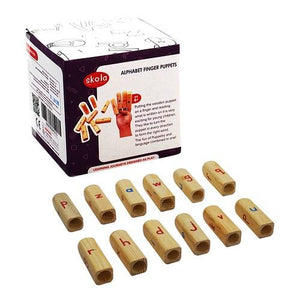
Maria Montessori's philosophy emphasizes hands-on, self-directed learning with specially designed materials. India's rich tradition of craftsmanship makes it an ideal hub for producing authentic Montessori materials. Artisans possess the skill to create durable, aesthetically pleasing, and precise educational aids – from the iconic Pink Tower to sandpaper letters – that adhere to Montessori principles while adding a unique Indian touch.
Imagine a wooden lacing board featuring intricate Mandana art patterns or sorting trays crafted from locally sourced neem wood. This localized production ensures materials are not only high-quality but also sustainable and ethically made. The involvement of skilled artisans means that Montessori materials can be adapted to incorporate Indian linguistic elements and cultural narratives, making them even more effective for Indian children in both urban and joint family settings.
SkilloToys is committed to sourcing and offering a wide range of authentic Montessori method learning materials, ensuring that these artisan-crafted wonders are accessible to parents and educators across India. These materials are crucial for fostering independence and cognitive growth in children of all abilities.
The Bengaluru Advantage: Local Toy Manufacturing for Special Needs
Bengaluru, as a hub of innovation and education, is uniquely positioned to benefit from and contribute to India's burgeoning local toy manufacturing sector. Proximity to skilled artisans, educational institutions, and a discerning parent community allows for a dynamic ecosystem where special needs toys can be developed, tested, and refined efficiently. Local manufacturing means quicker adaptation to feedback from therapists and parents, leading to more responsive product development.
This localized approach fosters not just economic growth but also creates a sense of ownership and community support for families with special needs children. It ensures that the unique challenges and opportunities within Indian homes and schools are understood and addressed directly in the design and functionality of the toys. By supporting local artisans, we are investing in a future where every child in India, regardless of their developmental path, has access to the best, most relevant learning tools.
- India's new toy manufacturing policy revitalizes local artisans to create specialized, culturally relevant Montessori toys.
- Culturally relevant toys for special needs children foster identity, reduce cognitive load, and enhance engagement.
- Local artisans can craft high-quality, durable Montessori materials that integrate Indian aesthetics and linguistic elements.
- Proximity of manufacturing in hubs like Bengaluru allows for responsive product development tailored to local special needs.
- Studies confirm that early intervention with culturally appropriate educational toys significantly improves developmental outcomes.
- The policy helps bridge the gap in accessible, meaningful play options for Indian children with diverse learning needs.
What are culturally relevant inclusive toys?
Culturally relevant inclusive toys are educational tools specifically designed to meet the diverse developmental needs of children with special needs, while simultaneously incorporating elements of their local culture, traditions, and everyday life in India. This approach helps children connect with their identity and makes learning more relatable and engaging.
How does the Tamil Nadu toy policy benefit special needs children?
The Tamil Nadu toy policy aims to revive local artisan craftsmanship and promote domestic toy manufacturing, directly fostering the creation of high-quality, safe, and culturally relevant Montessori toys. This emphasis on local production allows for greater customization and accessibility of specialized learning materials for children with special needs across India.
Why is it important for special needs toys to be locally manufactured in India?
Local manufacturing ensures that toys are developed with a deep understanding of Indian cultural contexts, addressing specific needs and preferences of children and families. It also allows for stricter quality control, reduced costs, and quicker feedback loops for creating innovative and adaptable learning solutions, promoting self-reliance and economic growth within the community.
How do Montessori materials support children with special needs?
Montessori materials are inherently designed to be self-correcting, hands-on, and sensory-rich, making them exceptionally beneficial for children with diverse learning needs, including those with special needs. They encourage independence, concentration, and problem-solving through concrete experiences, adapting to each child's individual pace and style of learning.
Where can Indian parents find authentic Indian artisan inclusive toys?
As the toy manufacturing policy gains momentum, parents should look for certifications and reputable stores like SkilloToys.com that partner with local artisans and prioritize culturally relevant, high-quality, and safety-tested educational toys. Engaging with community initiatives and local craft fairs can also uncover unique, handcrafted options tailored to Indian contexts.