Tamil Nadu Toy Policy: Inclusive Toys & Artisan Revival
The new Tamil Nadu toy policy inclusive toys initiative marks a significant turning point for children with special needs across India, directly fostering the creation of high-quality, locally made educational tools. This policy leverages state support and artisan craftsmanship to develop more accessible, culturally relevant, and engaging toys that cater specifically to diverse developmental requirements, offering immense relief and opportunity for Indian families.
For Indian parents navigating the unique developmental journey of a child with special needs, finding appropriate educational toys can be a challenge. The global educational toys market is projected for robust growth, reaching an estimated USD 50.8 billion by 2034, as highlighted by Straits Research. This growth, coupled with a national push for inclusive design, underscores the critical need for policies that support indigenous innovation in this sector.
What is the Tamil Nadu Toy Manufacturing Policy?
The Tamil Nadu Toy Manufacturing Policy is a strategic state-level initiative designed to establish the region as a major hub for toy production, with a specific emphasis on quality, safety, and inclusive design. This matters because it directly addresses the demand for developmentally appropriate toys within India, reducing reliance on imports and fostering local economic growth. Indian parents can anticipate a wider selection of affordable, high-quality, and culturally relevant toys, especially beneficial for children with diverse learning needs.
TN Government Toy Manufacturing Policy: Fostering Local Growth and Accessibility
The Tamil Nadu government's new toy manufacturing policy is a proactive step towards self-reliance and specialized product development in the Indian toy industry. It provides incentives for local manufacturers, encouraging investment in technology, skill development, and research specifically for educational toys. This strategic focus ensures that products are not only 'Made in India' but are also engineered with global standards of safety and educational efficacy.
For families in joint households, where grandparents often play a crucial role in a child's early development, access to high-quality local educational toys is paramount. The policy aims to democratize access, making these vital learning tools available beyond metro cities. Child development experts agree that early intervention through appropriate play materials significantly enhances cognitive and social-emotional skills, especially for children needing extra support.
Artisan Revival Special Needs Toys India: Bridging Tradition and Therapy
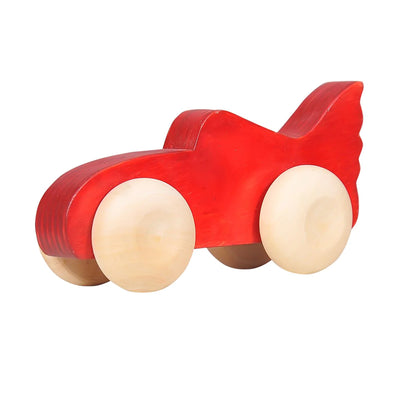
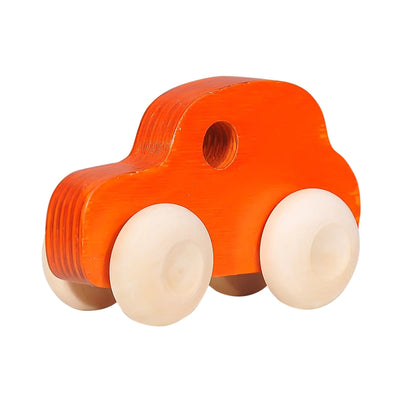
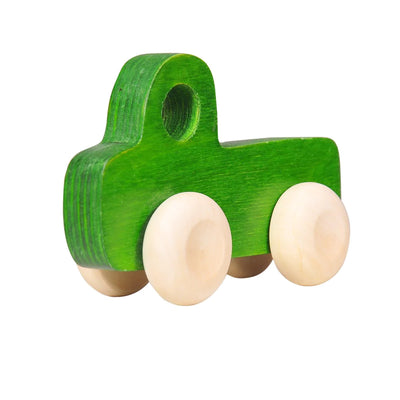
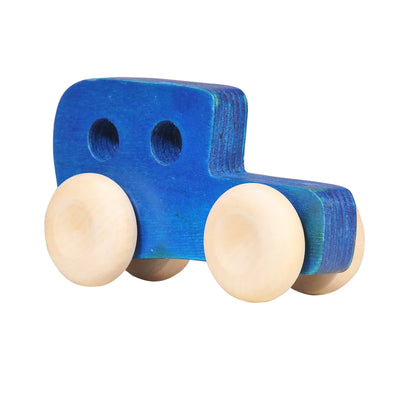
A core pillar of the Tamil Nadu policy is the revival and integration of traditional artisans into modern toy manufacturing, particularly for special needs children. This initiative, celebrating India's rich heritage of craftsmanship, transforms artisans into creators of therapeutic and engaging toys. From wooden puzzles to sensory-rich fabric creations, these handmade toys often offer unique tactile experiences and aesthetic appeal that mass-produced items cannot replicate.
This revival fosters a unique blend where ancient skills meet contemporary developmental science. Imagine a child with autism engaging with a beautifully lacquered Channapatna toy, experiencing its smooth texture and vibrant colours, or a child with fine motor challenges manipulating a wooden stacking toy crafted by skilled hands. Research shows that integrating traditional crafts can provide meaningful sensory input and connection to cultural identity, which is profoundly beneficial. The Mint recently highlighted how toys for autistic children can foster inclusivity, a sentiment deeply embedded in this artisan-led approach.
Local Educational Toys Tamil Nadu: Montessori Principles for All
The emphasis on local manufacturing under the Tamil Nadu policy directly aligns with the principles of Montessori education, which advocates for concrete, self-correcting materials designed for hands-on learning. As Maria Montessori observed, children learn best through purposeful activity with well-crafted materials. This policy encourages the production of such specific aids, from fine motor skill development toys like knobbed cylinders to sensorial materials that cater to varying developmental stages.
The availability of high-quality local Montessori toys means that parents and educators no longer need to rely solely on imported options, which can be expensive and sometimes lack cultural resonance. The policy's drive for local production makes these foundational educational tools more accessible to every Indian child, whether they are navigating the pressures of school or exploring their world at home with their grandparents.
Montessori Toys Made in India Policy Impact: Quality and Accessibility
The policy's commitment to promoting Montessori toys made in India is a significant boost for inclusive education. It mandates adherence to international safety and quality standards, ensuring that toys are durable, non-toxic, and developmentally appropriate. This assurance is crucial for parents, especially when selecting toys for children with heightened sensitivities or specific learning needs. By fostering local expertise, the policy aims to create a continuous supply of innovative and effective learning materials.
Studies indicate that access to quality educational toys from an early age can significantly improve cognitive function and problem-solving skills, with a direct correlation to academic readiness. The Deccan Herald's discussion on 'Autistic Barbie and the push for inclusion in the toys aisle' reflects a broader societal movement towards inclusive play, a movement strongly supported by Tamil Nadu's new policy in the educational toys sector. This local impact ensures that quality Montessori materials, such as sandpaper letters or the pink tower, are not just concepts but tangible, available resources for Indian families.
Inclusive Play Tamil Nadu Policy: A Holistic Approach to Development
The overarching goal of the inclusive play Tamil Nadu policy is to ensure that every child, regardless of their developmental profile, has access to play experiences that foster growth and joy. This holistic approach recognizes that play is fundamental to learning, social interaction, and emotional well-being. By supporting the creation of toys specifically designed for inclusivity, the policy encourages manufacturers to think beyond conventional designs and consider the diverse needs of children with special needs.
This means more than just modifying existing toys; it involves designing from the ground up with inclusivity in mind. This could range from toys with varied textures for sensory seekers, to larger, easier-to-grasp components for children with motor difficulties, ensuring that play is truly accessible and enriching for all. The policy is a testament to India's growing commitment to inclusive education and childcare, empowering parents and educators with the tools needed to nurture every child's unique potential within the warmth of their Indian homes.
- The Tamil Nadu Toy Manufacturing Policy significantly boosts the production of inclusive educational toys in India.
- It integrates traditional artisans, creating unique, culturally relevant, and therapeutic toys for special needs children.
- The policy directly supports the local manufacturing of high-quality, Montessori-aligned educational materials.
- This initiative aims to improve accessibility and affordability of developmental toys for all Indian families.
- Mandated adherence to international safety and quality standards ensures reliable and durable products.
- The policy fosters a holistic approach to inclusive play, designing toys from the ground up for diverse developmental needs.
How does the Tamil Nadu Toy Policy specifically benefit children with special needs?
The policy prioritizes the manufacturing of inclusive educational toys, encouraging local artisans and manufacturers to design products that cater to diverse developmental needs. This focus ensures a greater availability of sensory-rich and adaptable toys crucial for special needs children, directly addressing gaps in the market.
What is the role of artisan revival in this new policy?
Artisan revival is central to the policy, aiming to integrate traditional Indian craftsmanship with modern educational toy design, especially for special needs children. This not only preserves cultural heritage but also provides unique, handcrafted, and often therapeutic toys that resonate with Indian cultural contexts and sensory requirements.
How will this policy impact the availability of Montessori toys in India?
The Tamil Nadu policy is expected to significantly boost the production of Montessori-aligned educational toys within India, making them more accessible and affordable. By supporting local manufacturing, it reduces reliance on imports and ensures that high-quality, developmentally appropriate materials, like those for Montessori learning, are readily available to Indian parents and educators.
What kind of local educational toys can parents expect from Tamil Nadu?
Parents can expect a diverse range of local educational toys from Tamil Nadu, including those designed for sensory stimulation, fine motor skill development, and cognitive engagement. These will often incorporate traditional Indian art forms and natural materials, offering culturally relevant and durable options for children with varied learning styles.
How can families ensure they are buying authentic and high-quality inclusive toys made under this policy?
Families should look for toys certified under Indian quality standards and inquire about their origin and manufacturing processes. Reputable stores like SkilloToys are committed to sourcing and providing transparent information about such products, ensuring parents can confidently choose safe and effective inclusive educational toys for their children.