Telugu Letters with Pictures for Special Needs Children
Teaching telugu letters with pictures to children with special needs requires a compassionate, structured, and multi-sensory approach that truly meets them where they are. Research shows that individualized Montessori methods significantly enhance language acquisition for diverse learners, providing a definitive pathway for parents and educators in India to foster foundational literacy in Telugu.
Montessori for special needs learning focuses on self-directed activity, hands-on learning, and collaborative play, adapting to each child's unique pace and style. This matters because it builds confidence, independence, and a genuine love for learning, rather than rote memorization. Indian parents can implement these principles at home using specially designed materials to support their child's developmental journey.
Why Montessori is Ideal for Learning Telugu Letters with Pictures for Special Needs Children
Child development experts agree that the Montessori approach is uniquely suited for special needs children due to its emphasis on individualized learning and multi-sensory engagement. Unlike traditional rote methods, Montessori education allows children to learn at their own pace, repeating activities as often as needed to solidify understanding. This patience and freedom from performance pressure are crucial for building confidence.
For children who may process information differently, visual and tactile cues become paramount. Montessori materials, which isolate concepts and offer concrete representations, make abstract ideas like letter shapes and sounds tangible. This aligns with the growing global focus on inclusivity in toys, as highlighted by discussions around toys for autistic children fostering inclusivity, ensuring every child has access to tools that support their unique learning path.
The Power of Visuals: Using Telugu Letters with Pictures Effectively
Visual learning is incredibly powerful, especially for children with special needs who may benefit from clear, consistent imagery. When teaching telugu letters with pictures, pairing each alphabet with a familiar object or concept helps create strong associations. For example, 'అ' for 'అమ్మ' (Amma - Mother) or 'ఆ' for 'ఆవు' (Aavu - Cow).
Maria Montessori emphasized 'prepared environments' where materials are accessible and inviting. For Telugu letters, this means having high-quality, clear picture cards, perhaps laminated for durability, easily available. These visual aids serve as direct keys to understanding, making the learning process less abstract and more engaging for young minds.
Crafting an Engaging Learning Environment for Telugu Varnamala for Special Needs
Creating a dedicated, calming learning space at home is fundamental for children with special needs. This 'prepared environment' doesn't need to be elaborate; a quiet corner with a small mat and shelves displaying Montessori educational materials for language can make a significant difference. In Indian joint families, involving grandparents and other family members can add a rich layer of cultural context and support, making learning a shared, joyful experience rather than an isolated task.
Ensure the materials for telugu varnamala for special needs are visually appealing but not overwhelming. Focus on one letter or a small group of letters at a time, allowing for deep concentration. This structured simplicity helps minimize distractions and maximizes engagement, fostering a sense of order and predictability that many special needs children thrive on.
Step-by-Step Guide: Introducing Montessori Telugu Alphabet
Introducing the montessori telugu alphabet follows a proven three-period lesson structure, adapted for special needs children. The first period is 'naming,' where you show the letter (e.g., 'అ') and clearly state its sound and associated picture. The second is 'recognition,' where you ask, 'Show me అ,' encouraging the child to identify the letter.
The third period, 'recall,' asks, 'What is this letter?' This sequential approach ensures mastery before moving on. Incorporate tactile elements like tracing sandpaper letters or forming letters with playdough to enhance the experience. Developing fine motor skills is often linked to early writing, and activities like manipulating small objects or using tongs can prepare tiny hands for holding pencils. Explore our fine motor skill toys to support this crucial development.
Addressing Common Challenges when Learning Telugu for Autistic Children
Learning telugu for autistic children often presents unique challenges, such as sensory sensitivities, difficulties with transitions, or a preference for repetitive actions. Patience and consistency are paramount. Studies indicate that early intervention and consistent, positive reinforcement significantly improve learning outcomes for autistic children, with an average of 25 hours per week of intervention showing notable progress in language and cognitive skills.
Instead of pushing, observe your child's cues. If they lose interest, take a break. Break down tasks into smaller, manageable steps, and celebrate every small achievement with genuine encouragement. Using visual schedules can also help manage transitions between activities, providing predictability and reducing anxiety. Remember, the goal is progress, not perfection, and every step forward is a victory.
Integrating Fun and Culture into Telugu Letter Learning
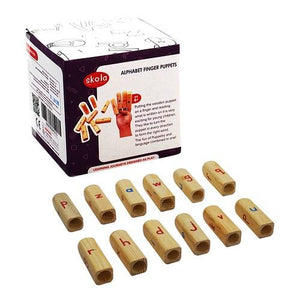
Making learning a joyous experience is key, especially in the context of Indian homes where academics can sometimes feel like pressure. Incorporate Telugu letters into everyday life: point them out on street signs, during festivals, or while reading stories. Sing traditional Telugu songs together, using finger puppets or role-playing to reinforce letter sounds and words.
The current push for 'Made in India' toys, with Tamil Nadu set to become a toy-making hub, means there will be an increasing availability of culturally relevant and high-quality educational toys Telugu parents can access. This integration of learning with cultural heritage not only makes the process more meaningful but also connects children to their roots, fostering a sense of belonging and identity.
Empowering children with special needs to learn Telugu letters with pictures is a journey of love, patience, and expert guidance. By embracing Montessori principles and SkilloToys' carefully curated materials, you can unlock your child's potential, making literacy an accessible and delightful part of their developmental story. Remember, every child deserves the opportunity to learn and express themselves in their mother tongue, and with the right approach, this dream is within reach.
- Montessori methods are definitively effective for teaching Telugu letters to special needs children through multi-sensory engagement.
- Utilizing clear telugu letters with pictures enhances visual learning and association, crucial for diverse learners.
- A 'prepared environment' at home, with accessible and inviting materials, significantly supports learning telugu varnamala for special needs.
- The three-period lesson, adapted for individualized pacing, is a robust method for introducing the montessori telugu alphabet.
- Consistent positive reinforcement and understanding unique learning styles are vital for successful learning telugu for autistic children.
- Integrating cultural elements and high-quality educational toys makes learning more engaging and meaningful for Indian children.
Why is a multi-sensory approach important for teaching Telugu letters to special needs children?
A multi-sensory approach engages multiple senses like sight, touch, and hearing, which helps special needs children process and retain information more effectively. This method accommodates diverse learning styles and strengthens neural pathways for language acquisition.
What age is ideal to start introducing Telugu letters using Montessori methods?
While formal instruction can begin around 3-4 years, early exposure to language-rich environments, even through simple verbal interactions and visual aids, can start much earlier, typically from 18-24 months. Montessori principles emphasize readiness, adapting to each child's unique developmental timeline.
How can I make learning Telugu letters fun and engaging at home?
Integrate learning into daily routines, use engaging visual materials like picture cards, sing Telugu alphabet songs, and tell stories featuring letter sounds. Creating a positive, pressure-free environment and celebrating small achievements are key to fostering a love for learning.
Are there specific Montessori materials helpful for learning Telugu varnamala for special needs?
Absolutely. Sandpaper letters, movable alphabets, and picture cards specifically adapted for Telugu varnamala are highly effective. These materials offer tactile, visual, and auditory input, aligning perfectly with Montessori's hands-on philosophy for language development.
How can families manage screen time while teaching Telugu letters effectively?
Prioritize interactive, hands-on learning over passive screen time. While some educational apps can supplement, they should not replace tactile experiences. Limit screen exposure and ensure any digital content is highly engaging and directly supports learning objectives, rather than just entertaining.