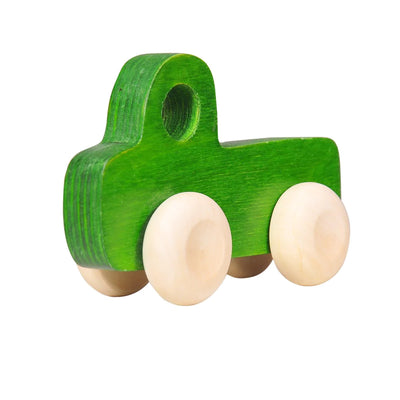
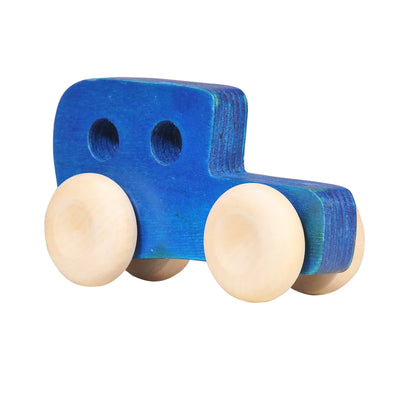
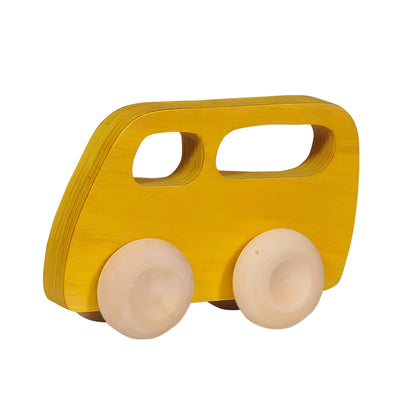
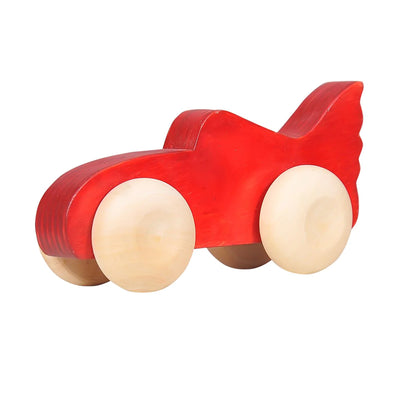
Traditional Indian Toys for Special Needs Children: Inclusive Play
Traditional Indian toys offer invaluable benefits for special needs children, providing a rich, multi-sensory environment crucial for inclusive play and developmental growth. These culturally significant items, crafted from natural materials, inherently support sensory integration and cognitive development, making them a powerful resource for parents and educators across India seeking engaging and effective learning tools. Child development experts agree that engaging with diverse textures, shapes, and weights found in traditional toys can significantly enhance tactile discrimination and fine motor skills, which is particularly vital for holistic development.
As parents and caregivers in Bengaluru and across India, we understand the unique journey of nurturing a child with special needs. The focus on local manufacturing and traditional Indian heritage, highlighted by initiatives like the Tamil Nadu government's toy manufacturing policy, offers a timely opportunity to re-evaluate our approach to play. By embracing our rich cultural legacy, we can provide profound sensory and developmental advantages.
What are Traditional Indian Toys and Why Do They Matter for Special Needs Children?
Traditional Indian toys are handcrafted playthings, often made from natural materials like wood, clay, fabric, and lacquer, reflecting India's rich heritage and diverse craftsmanship. This matters because they offer open-ended, sensory-rich experiences, promoting imaginative play and skill development without overstimulation. Indian parents can integrate these sustainable, culturally relevant toys into their child's learning environment to foster holistic growth, connecting deeply with our cultural roots before the age of plastic.
These toys, passed down through generations in Indian homes and joint families, offer a gentle yet powerful approach to learning. Unlike many modern toys, they encourage active engagement rather than passive observation. Their simplicity often belies their profound developmental impact, making them excellent Montessori-inspired Indian toys for diverse learners.
The Sensory Richness of Natural Materials for Special Needs
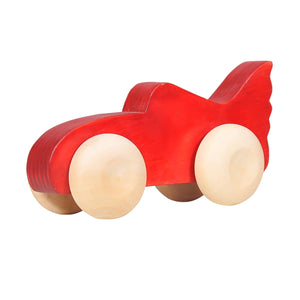
The core benefit of traditional Indian toys lies in their natural materials. Wooden toys like lacquered channapatna dolls, terracotta animals, and cloth dolls offer varied textures, temperatures, and weights that synthetic plastics cannot replicate. Research indicates that multi-sensory engagement significantly aids cognitive development, particularly in children who benefit from diverse sensory input.
For children with special needs, these materials provide grounding and calming sensory experiences. The smooth, cool feel of wood, the slightly rough texture of clay, or the soft give of fabric can be deeply therapeutic, helping with sensory regulation. Manipulating these objects strengthens fine motor skills, hand-eye coordination, and spatial awareness, offering tactile learning opportunities that are both engaging and effective.
Fostering Inclusive Play with Culturally Rooted Toys
Traditional Indian toys naturally lend themselves to inclusive play, creating shared experiences that bridge developmental differences. Games like 'Lagori' (seven stones) or 'Gilli-Danda' (though more outdoor, simpler versions exist) encourage turn-taking, social interaction, and communication within a group. Even quieter toys like wooden kitchen sets (Bhatukli) or spinning tops (Lattu) can be shared, prompting imaginative role-play and narrative development.
For many Indian families, the act of playing with these toys is a communal activity, often involving grandparents sharing stories and techniques. This cultural context provides a natural framework for inclusion, where children of all abilities can participate and feel a sense of belonging. Studies have shown that open-ended play with natural materials can reduce anxiety and improve focus in children with diverse learning needs, fostering an environment where every child feels valued.
Montessori-Inspired Indian Toys for Holistic Development
The principles of Montessori education, which emphasize self-directed activity, hands-on learning, and collaborative play, find a natural echo in traditional Indian toys. Maria Montessori believed in providing children with materials that allow for exploration and discovery at their own pace. Many traditional toys, such as stacking blocks, shape sorters, and simple puzzles made from wood, inherently possess these qualities.
These Montessori-inspired Indian toys encourage concentration, problem-solving, and practical life skills. For example, a child using a wooden abacus learns counting through tangible interaction, much like the Montessori bead chains. The inherent simplicity and clear purpose of these toys help children with special needs focus and develop foundational skills in a meaningful, unhurried way.
Handmade Indian Toys: Tailored Support for Diverse Needs
The beauty of handmade Indian toys extends beyond their aesthetic appeal; it lies in their unique capacity to cater to diverse developmental needs. Artisans often craft these pieces with individual attention, resulting in variations in texture, weight, and form that can be uniquely stimulating for children requiring specific sensory input. For children with autism, the consistency and predictability of certain wooden toys, or the novel tactile experience of a clay toy, can be incredibly beneficial for sensory integration.
Embracing these handmade Indian toys autism-friendly options also supports local artisans and sustainable practices, aligning with the broader national conversation around India’s toy industry becoming a global powerhouse. This mindful consumption provides not only developmental benefits but also connects children to their cultural heritage and the skilled hands that craft these timeless treasures.
- Traditional Indian toys from natural materials offer rich, multi-sensory input crucial for special needs children.
- These toys align with Montessori principles, promoting self-directed learning and holistic development.
- Natural materials like wood and clay enhance fine motor skills and aid sensory regulation.
- Culturally rooted play with traditional toys fosters inclusive social interaction and reduces anxiety.
- Embracing handmade Indian toys supports local heritage and provides unique, tailored sensory experiences.
- The current focus on Indian toy manufacturing presents an ideal opportunity to integrate these sustainable options.
Are traditional Indian toys suitable for children with autism?
Yes, traditional Indian toys are often highly suitable for children with autism. Their natural materials, open-ended design, and varied sensory inputs can help in sensory regulation, reduce overstimulation, and encourage imaginative play, supporting individual developmental needs effectively.
How do natural materials in toys benefit sensory development?
Natural materials like wood, clay, and fabric offer diverse tactile, visual, and sometimes olfactory experiences that synthetic toys lack. This multi-sensory engagement aids in developing sensory discrimination, fine motor skills, and provides calming input, crucial for children with sensory processing differences.
Can traditional Indian toys support Montessori principles?
Absolutely. Many traditional Indian toys inherently align with Montessori principles, promoting self-directed learning, concentration, practical life skills, and exploration through natural, self-correcting materials. They encourage purposeful activity and independent discovery, just as Maria Montessori advocated.
Where can I find authentic traditional Indian toys for my child?
Authentic traditional Indian toys can be found through local artisans, government-supported craft initiatives, specialized educational toy stores like SkilloToys.com, and curated online marketplaces. It is important to look for items made with natural dyes and child-safe finishes to ensure quality and safety.
What role do grandparents play in introducing these toys?
Grandparents often serve as vital cultural bridges, introducing traditional Indian toys and their associated games, stories, and values to younger generations. Their shared play experiences not only foster intergenerational bonding but also embed cultural identity and provide a familiar, comforting learning environment for children, including those with special needs.