Traditional Indian Toys for Special Needs: Inclusive Play
Traditional Indian toys for special needs children offer unique developmental advantages by providing multi-sensory engagement, fostering cultural connection, and promoting sustainable play. These authentic playthings are proven to enhance fine motor skills, cognitive development, and social interaction within familiar Indian cultural contexts, making them invaluable resources for families across India.
Traditional Indian toys are handcrafted, often eco-friendly playthings passed down through generations, reflecting India's rich heritage. This matters because they provide culturally relevant, sustainable, and developmentally appropriate engagement. Indian parents can integrate these toys to support diverse learning styles and foster inclusive play within their homes and communities.
Why Traditional Indian Toys Are Inherently Inclusive
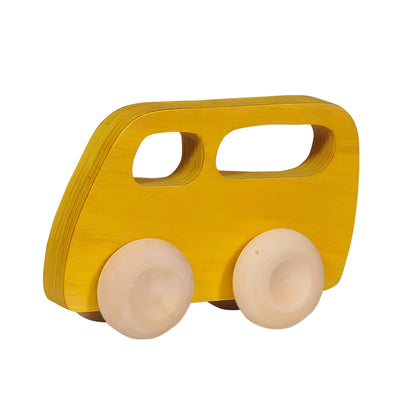
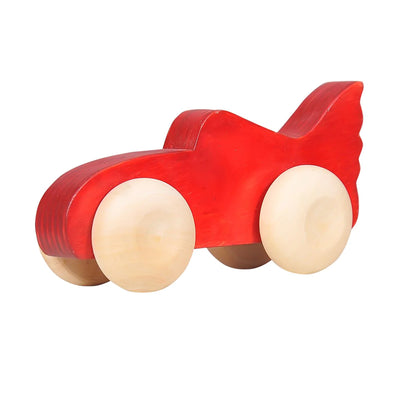
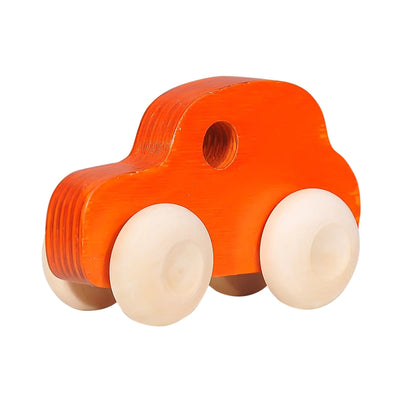
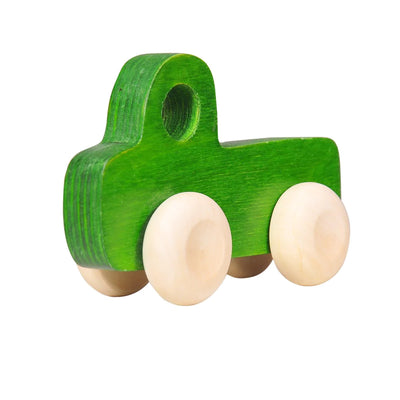
Research indicates that multi-sensory engagement significantly aids cognitive development in children with special needs, making traditional Indian toys particularly beneficial. Many traditional toys, such as vibrant wooden lacquerware from Channapatna or soft fabric dolls, naturally engage multiple senses through their colours, textures, and sounds. This inherent sensory richness provides varied entry points for learning and exploration, crucial for children with sensory processing differences.
These playthings often encourage open-ended play, a cornerstone of inclusive traditional toys India has cherished for centuries. Unlike many modern toys with prescribed functions, a simple spinning top or a set of building blocks allows for endless imaginative scenarios, supporting divergent thinking and creativity. This freedom empowers children with diverse abilities to engage at their own pace and comfort level, fostering a sense of accomplishment and self-expression within the familiar embrace of an Indian joint family setting.
Sustainable Play for Holistic Development
The commitment to sustainability in traditional Indian toys makes them an ethical and enriching choice for all children, particularly those with special needs. Crafted from natural materials like wood, clay, and cloth, these toys are not only non-toxic but also connect children to the environment, a vital aspect of holistic development. Studies show that exposure to natural materials can reduce stress and enhance well-being, benefits that are particularly pertinent for children navigating the complexities of special needs.
Sustainable Indian toys promote mindful consumption and teach valuable lessons about resourcefulness, often mirroring the values upheld by Indian families. As news highlights efforts for India to become a toy-making hub, like in Tamil Nadu, the emphasis on local, handcrafted products reinforces this sustainable ethos. This shift makes these eco-friendly options more accessible, providing a healthier and more conscious play alternative to mass-produced plastic toys that often lack the same tactile and sensory depth.
Montessori Principles in Indian Traditional Games
Many traditional Indian games embody the core principles championed by Maria Montessori, offering concrete, self-correcting, and purposeful activities ideal for special needs education. For instance, games like Pallanguzhi, a south Indian board game, develop critical thinking, counting skills, and fine motor skills as children pick and place cowrie shells or seeds. This aligns perfectly with Montessori's emphasis on hands-on learning and the manipulation of materials for conceptual understanding.
Montessori traditional games extend to simple wooden stacking toys or 'Gilli Danda', which, while seemingly simple, build gross motor coordination, focus, and strategic planning. Children learn through doing, experiencing direct consequences of their actions, and repeating activities to achieve mastery – all foundational to the Montessori approach. Integrating these accessible and culturally resonant materials from our main Montessori collection can significantly enhance therapeutic play and learning outcomes for children with varying needs.
Practical Integration into Indian Homes and Therapy
Integrating traditional Indian toys into the daily lives of children with special needs within an Indian household is seamless and deeply impactful. Grandparents often hold a treasure trove of knowledge about these games, fostering intergenerational bonds and a sense of belonging. Introducing toys like Chowka Bhara or Lagori during family gatherings or festivals can create an inclusive environment where every child feels valued and part of the cultural narrative.
For therapists and educators, these toys offer a rich, culturally sensitive toolkit. A simple 'fine motor skills' activity can be transformed using colourful beads or small wooden figurines, enhancing engagement and making therapy feel more like play. The ongoing conversation around toys for autistic children, as seen with initiatives like Autistic Barbie, underscores the demand for diverse, representative play options. Traditional Indian toys provide this authenticity, ensuring that play is not only therapeutic but also deeply rooted in the child's identity and heritage.
- Traditional Indian toys offer unique multi-sensory benefits crucial for children with special needs.
- These toys promote inclusive, open-ended play, allowing children to engage at their own pace.
- Crafted from natural, eco-friendly materials, they represent a sustainable choice for mindful development.
- Many traditional Indian games align directly with Montessori principles, fostering practical life and cognitive skills.
- Integrating these cultural playthings strengthens family bonds and provides culturally sensitive therapeutic tools.
- Research consistently shows that engaging with diverse, authentic play materials enhances developmental outcomes.
What are the best traditional Indian toys for children with autism?
Traditional Indian toys such as wooden lacquered rattles, stacking games, and Chowka Bhara are excellent choices for children with autism. These toys offer repetitive, sensory-rich experiences and clear patterns, which can be calming and engaging for children on the spectrum.
How do traditional Indian toys promote fine motor skills?
Many traditional Indian toys inherently promote fine motor skills through tasks like manipulating spinning tops, arranging Goli (marbles), or carefully placing pieces in games like Pallanguzhi. These activities require precision and hand-eye coordination, strengthening small muscles essential for writing and self-care.
Are traditional Indian toys truly sustainable?
Yes, traditional Indian toys are largely sustainable, often crafted from natural materials like wood, clay, and fabric, using eco-friendly dyes. Their durability ensures they last for generations, reducing waste and fostering an appreciation for handmade, locally sourced products, aligning with global sustainability efforts.
Can Montessori principles be applied to traditional Indian games?
Absolutely. Many traditional Indian games naturally align with Montessori principles, emphasizing hands-on learning, sensory exploration, and practical life skills. Games like Chowka Bhara encourage concentration and problem-solving, mirroring the self-directed, purposeful activities found in a Montessori environment.
Where can I find authentic traditional Indian toys in Bengaluru?
Authentic traditional Indian toys are available at specialized stores, artisan markets, and online platforms like SkilloToys.com, based in Bengaluru. Look for reputable sellers who source directly from artisan communities, ensuring the toys are handcrafted, safe, and culturally appropriate for your child.