Chess Parenting: Montessori & Child Psychology for Indian Kids
The recent focus on chess parenting, spurred by CM Gaurav Zagade's guide on ChessBase India, definitively shows how integrating chess with Montessori principles significantly enhances strategic thinking and cognitive development in Indian children. This approach offers a powerful, research-backed method for parents to nurture not just intellectual prowess, but also crucial life skills like emotional regulation and focused problem-solving from a young age.
Chess parenting is an intentional approach where parents use the game of chess as a tool to nurture critical thinking, decision-making, and emotional intelligence in their children. This matters because it provides a structured yet playful environment for cognitive growth, far beyond just learning game rules. Indian parents can integrate chess into daily routines to foster mental discipline and patience.
Benefits of Chess for Kids: Beyond the Boardroom
Research consistently highlights the profound cognitive advantages of early chess exposure for children. Studies from institutions like the American Academy of Pediatrics indicate that children regularly engaged in chess demonstrate improved concentration, memory, and spatial reasoning skills, often showing an increase in problem-solving abilities by up to 17% compared to their peers. For Indian students facing competitive academic environments, these skills offer a significant edge.
Beyond academics, chess nurtures resilience and the crucial skill of delayed gratification. In a world of instant digital answers, the game teaches children to think several moves ahead, patiently evaluating consequences before acting. This methodical approach can translate into better decision-making in everyday life, from school projects to managing personal challenges within a joint family setting.
Montessori Chess: Cultivating Focus and Self-Correction
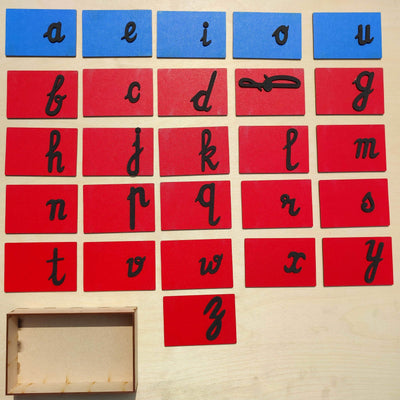
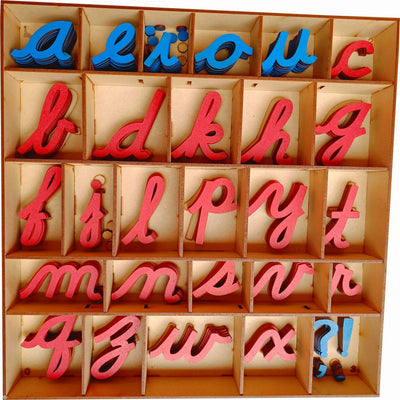
The synergy between chess and Montessori principles is undeniable. Maria Montessori herself championed activities that foster deep concentration and self-directed learning, allowing children to progress at their own pace. Chess, like Montessori materials such as the Pink Tower or Sandpaper Letters, provides a 'prepared environment' where children learn through direct engagement, observation, and repeated practice.
This method encourages children to identify their own errors and strategize solutions independently, mirroring the Montessori emphasis on self-correction. By presenting chess as an engaging challenge rather than a rigid lesson, parents can unlock a child's intrinsic motivation to master the game. Explore our range of Montessori method learning materials that build foundational skills for complex logical thinking.
Child Psychology and Chess: Emotional Intelligence on 64 Squares
CM Gaurav Zagade's insights into 'Chess Parenting and Psychology' underscore the game's role in a child's emotional development. Chess provides a safe space for children to experience and manage a full spectrum of emotions – the joy of victory, the frustration of a blunder, and the challenge of losing gracefully. These experiences are invaluable for building emotional intelligence, a skill increasingly recognized as critical for lifelong success.
The Times of India recently emphasized co-play as a way parents can make children's digital time more meaningful; chess offers a powerful, unplugged co-play experience. Furthermore, the intentional, structured nature of chess can be particularly beneficial for children needing focused developmental support, a need highlighted by the story of the Bengaluru couple who turned their search for autism support into a foundation helping thousands. Such dedicated engagement builds confidence and self-esteem.
Strategic Thinking for Kids: A Homegrown Advantage
Strategic thinking is not just about winning a game; it's about developing a mindset that anticipates, plans, and adapts. Introducing educational toys and games that encourage strategic thought can start even before formal chess lessons. Simple board games played with grandparents, or even planning daily activities, can lay the groundwork for a strategic mind.
In Indian homes, where intergenerational learning is common, grandparents can play a vital role in introducing children to strategy games, imparting not just rules but also patience and wisdom. This early exposure helps children apply critical thinking to real-world scenarios, whether it's planning a school project or navigating social interactions.
Educational Toys Chess: Beyond Just Boards
While a traditional chess set is fundamental, a variety of wooden toys and activity kits can bolster a child's chess skills. Logic puzzles, pattern-recognition games, and spatial reasoning challenges are excellent complements, strengthening the cognitive muscles necessary for chess mastery. These tools help break down complex strategic thinking into manageable, enjoyable steps for young learners.
Integrating these types of play into a child's routine ensures a holistic approach to cognitive development. It moves beyond rote memorization, fostering genuine understanding and a love for problem-solving that extends far beyond the chessboard.
Embracing a chess parenting approach, guided by Montessori principles, offers Indian parents a powerful framework to equip their children with strategic thinking, emotional resilience, and lifelong learning skills. By providing enriching experiences and intentional guidance, we empower our children to navigate the complexities of their world with confidence and intellectual agility.