Educational Toys for Indian Children: A Parent's Guide
Choosing effective educational toys for Indian children is a pivotal decision that shapes more than just playtime; it lays the foundation for lifelong skill development and critical thinking. Research shows that engaging with the right materials from an early age significantly impacts cognitive growth, problem-solving abilities, and creativity. For parents across India, selecting these foundational tools means looking beyond fleeting entertainment to what truly nurtures a child's potential.
An educational toy is an item specifically designed to stimulate learning, encourage skill development, and promote cognitive growth through interactive play. This matters because it shifts the focus from passive consumption to active engagement, where children are the architects of their own learning experiences. Indian parents can thoughtfully select toys that support their child's holistic development, fostering independence and resilience rather than just rote memorisation.
Beyond Entertainment: The Core Purpose of Educational Toys
Child development experts agree that the primary benefit of educational toys lies in their capacity to engage a child's mind and body in purposeful activity. Unlike passive entertainment that often involves screens, educational toys demand interaction, decision-making, and often, collaboration. This active engagement is crucial for developing concentration, persistence, and self-regulation – qualities invaluable for a child growing up in India's dynamic environment.
Studies indicate that children who engage with well-chosen educational materials demonstrate improved language skills, enhanced fine and gross motor coordination, and superior problem-solving abilities. This aligns with a growing understanding, sometimes highlighted by public discourse like the recent Gurugram CEO's comments, that children thrive when empowered to explore and create, rather than being treated as mere recipients of information or 'owned assets'. The emphasis shifts from what a child *knows* to how they *learn* and *adapt*.
Choosing Right: Key Considerations for Indian Parents
Selecting the best educational toys for kids requires a thoughtful approach, especially when considering the unique context of Indian homes, from bustling metros like Bengaluru to multi-generational joint families. Parents need to consider several factors to ensure their choices genuinely support development.
Age-Appropriateness: Matching the Milestones
Ensuring a toy is age-appropriate is the cornerstone of effective educational play, preventing both frustration and boredom. The American Academy of Pediatrics (AAP) consistently advises that toys should align with a child's developmental stage, offering a challenge that is stimulating but achievable. For instance, a stacking ring set is perfect for a 9-month-old learning object permanence and hand-eye coordination, while complex building blocks are more suited for a 4-year-old exploring spatial reasoning.
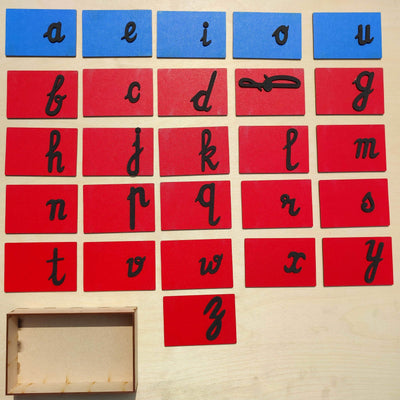
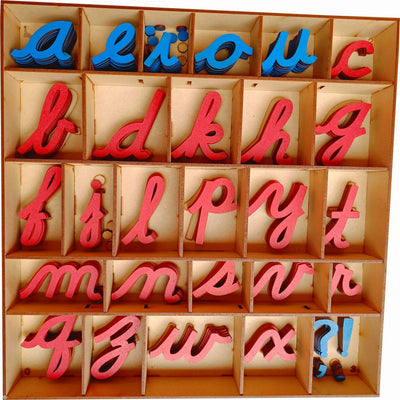
For infants (0-1 year), simple rattles, soft blocks, and sensory materials are ideal, stimulating early sensory exploration. Toddlers (1-3 years) benefit from wooden puzzles, shape sorters, and building blocks that enhance fine motor skills and problem-solving. Preschoolers (3-6 years) can engage with role-play sets, elaborate activity kits, and Montessori-inspired materials like the Pink Tower, fostering cognitive growth and pre-academic skills.
Open-Ended Play: Fueling Imagination
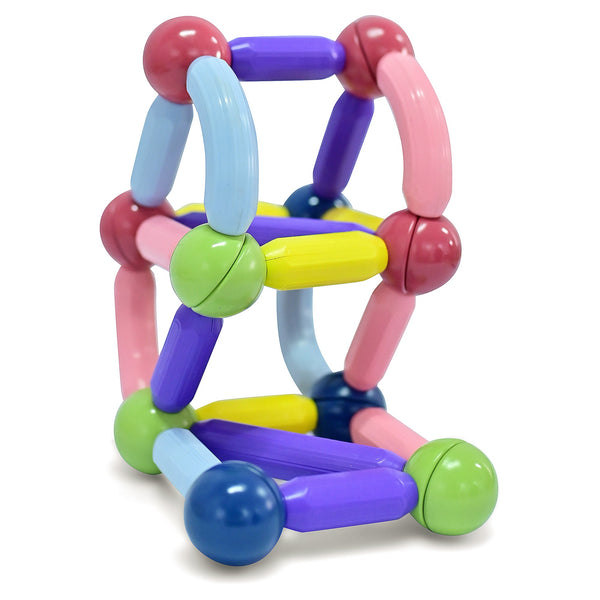
The most impactful educational toys are often those that are open-ended, meaning they can be used in multiple ways without a fixed outcome. These materials encourage a child to use their imagination, creativity, and problem-solving skills to dictate the play. A set of simple wooden blocks, for example, can become a skyscraper, a train, a farm, or abstract art – limited only by the child's inventiveness.
This contrasts sharply with toys that have a single function or rely heavily on electronic feedback, which can limit creative thought. Child psychologists often highlight that when a toy does all the 'thinking' for the child, it inadvertently stifles their own cognitive development. The satisfaction a child derives from constructing something entirely their own, whether it's a make-believe home for their dolls or a complex pattern with tangrams, is unparalleled.
Skill Development Focus: More Than Just Academics
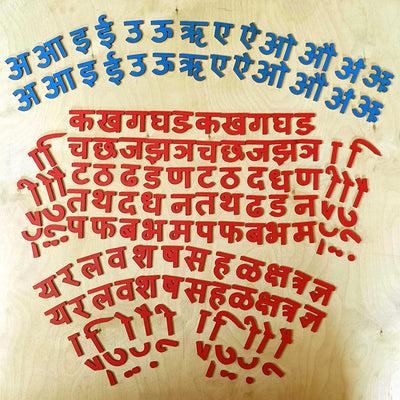
When selecting educational toys for different ages, focus on the specific skills they cultivate. Beyond academic readiness, these toys should support a broad spectrum of developmental areas. For instance, science kits can spark curiosity and introduce scientific principles, while art supplies enhance fine motor control and self-expression. Language development is crucial, and storytelling props or alphabet puzzles can encourage verbal articulation.
Maria Montessori, a pioneer in child education, emphasized the importance of materials that isolate a particular skill for development, allowing the child to master one concept at a time. This approach cultivates focus and a deep understanding, which are essential attributes for navigating future academic and professional challenges, especially in a competitive landscape like India.
Cultural & Practical Relevance for Indian Homes
Consider how a toy fits into the Indian home and family structure. In joint families, toys that encourage collaborative play, like large building sets or board games, can foster social skills and shared experiences among cousins and siblings. Toys that are durable, easy to store in smaller urban apartments, and can be used for diverse purposes are particularly valuable.
Furthermore, choosing toys that can be integrated into Indian festivals or daily routines can deepen cultural connections. Simple kitchen sets can encourage imaginative play around Indian cooking, while traditional craft kits can introduce heritage. These culturally resonant choices help children develop a sense of identity and belonging, a value deeply cherished in Indian parenting traditions.
SkilloToys' Approach: Quality and Impact
At SkilloToys.com, our mission is to provide Indian parents with access to high-quality educational toys that truly make a difference in a child's developmental journey. Our curated collection of educational toys and games, including Montessori-inspired materials, focuses on open-ended play, age-appropriateness, and comprehensive skill development. We understand the aspirations of Indian parents – for their children to be independent, creative, and well-equipped for the future, much like the qualities admired in global contexts.
We believe that the best educational tools empower children to learn at their own pace, fostering a lifelong love for discovery. From enhancing fine motor skills with stacking toys to stimulating cognitive development with logical puzzles, every item is chosen to provide tangible, meaningful benefits. We aim to be the authoritative source for Indian parents seeking to invest wisely in their children's foundational years, offering alternatives to passive entertainment and nurturing genuine intellectual curiosity.
Making informed choices about educational toys is one of the most powerful ways parents can support their child's growth. It's about recognizing that every toy is a learning opportunity. Tonight, observe your child during play: are they actively engaged, problem-solving, and imagining? If so, you're already on the path to fostering their holistic development.