Children Manage Stress & Emotions: Science & MindUP
Twenty-three years ago, Goldie Hawn initiated a groundbreaking program to help children manage stress and understand emotions, a visionary step that underscores the scientific understanding of child development. This initiative, now known as MindUP, highlights how foundational skills for emotional regulation are not innate but meticulously built through targeted engagement and brain-based learning. For parents in India, understanding this science offers powerful insights into nurturing resilient, emotionally intelligent children.
What exactly is this process? Social-emotional learning (SEL) is the systematic development of skills to understand and manage emotions, set positive goals, feel empathy, establish healthy relationships, and make responsible decisions. It's an essential framework that builds the very foundation of a child's future well-being and academic success, starting from their earliest moments.
The Neuroscience of Emotion: Why Feelings Aren't Just "Feelings"
Deep within our brains lies the amygdala, a primal alarm system that triggers our fight-or-flight response. For young children, this system is highly reactive, leading to intense emotional outbursts. However, the prefrontal cortex, located at the front of the brain, acts as the brain's 'executive control center,' responsible for reasoning, planning, and emotional regulation. Child brain development and emotions are intrinsically linked; as the prefrontal cortex matures, it learns to temper the amygdala's responses.
Research indicates that early experiences significantly sculpt these neural pathways. A 2021 study published in Nature on an Indian birth cohort found that structured early childhood education exposure positively correlated with childhood cognition, including executive functions vital for emotional control. UNICEF's 'Early Moments Matter' campaign further reinforces this, emphasizing that positive, nurturing interactions lay the groundwork for a child's entire emotional architecture. In a bustling city like Bengaluru, where children navigate academic pressures and digital distractions, fostering this neural development is more critical than ever.
Lessons from Goldie Hawn's MindUP: A Scientific Approach
The Goldie Hawn MindUP program was designed to teach children core social-emotional learning benefits through practical, brain-based strategies. Its curriculum integrates neuroscience, mindful awareness, positive psychology, and social-emotional learning. Children learn about their own brain function, practice mindful breathing to calm their nervous systems, develop optimism, and cultivate empathy.
The scientific basis of MindUP lies in its focus on developing the prefrontal cortex through repetitive, intentional practices. Mindfulness, for instance, has been shown to literally rewire the brain, improving attention, emotional control, and compassion. These skills are not just about managing meltdowns; they build a child's internal capacity for resilience, crucial for navigating the complexities of school life and future challenges in India.
Montessori Emotional Development: Nurturing Inner Calm from Bengaluru Homes
Long before formal SEL programs emerged, Maria Montessori's philosophy implicitly championed emotional intelligence for kids science. The Montessori method emphasizes a prepared environment where children engage in self-directed, purposeful work. This independent exploration, particularly with Montessori practical life materials like pouring water or buttoning frames, fosters concentration, problem-solving, and a deep sense of accomplishment. These activities strengthen the prefrontal cortex, enhancing self-regulation and focus.
Consider a child in a Bangalore home, engrossed in carefully transferring grains with a spoon. This focused activity is not just fine motor skill development; it's an exercise in patience and self-control. The ability to concentrate, persist through a task, and experience the satisfaction of completion builds a robust internal locus of control, a cornerstone of emotional resilience. Similarly, Montessori sensory development toys, such as the Pink Tower or sound cylinders, provide rich, calming sensory input that helps children self-soothe and regulate their emotional states, especially after a challenging day or amidst the chaos of a festival.
Practical Strategies for Indian Parents: Building Emotional Intelligence for Kids
Parents are a child's first and most influential emotional coaches. Here's how you can integrate these scientific principles into daily life, fostering stress management for kids India-wide:
- Name Emotions Openly: Model emotional vocabulary. Instead of saying, "Don't be sad," try, "I see you're feeling sad because your friend left. It's okay to feel that." This helps children identify and articulate their own feelings, a crucial first step in regulation.
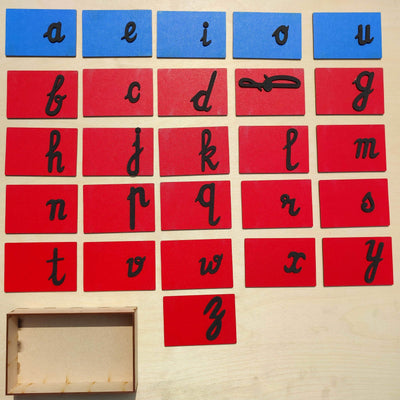
- Create a "Calm Corner": Designate a small, quiet space in your home, perhaps with a soft mat, a few cushions, and some calming objects like a soft toy or a language learning material that allows focused work. Teach your child to go there when feeling overwhelmed, not as a punishment, but as a self-soothing strategy.
- Practice Mindful Moments: Simple breathing exercises can be transformative. Imagine breathing like a "Diwali firework" – a slow inhale, a pause, and a gentle exhale. Even a minute or two before bedtime or during a stressful moment can help regulate their nervous system.
- Leverage Family Narratives: Indian culture is rich with stories. Grandparents sharing tales of resilience from their childhood or stories from the Mahabharata or Ramayana that highlight emotional virtues can be powerful tools for teaching empathy and perseverance. The supportive structure of a joint family often provides inherent co-regulation, where children learn to navigate emotions within a larger, loving unit.
- Encourage Purposeful Play: Offer toys that require focus and problem-solving. A child building with wooden blocks, for instance, learns about spatial relationships but also practices persistence and manages frustration when the tower topples. These experiences are micro-lessons in emotional self-management.
Understanding the science behind how children manage stress and understand emotions empowers you, as a parent, to build a strong foundation for their emotional well-being. By combining insights from programs like MindUP with the timeless wisdom of Montessori and the cultural strengths of Indian family life, you can nurture children who are not just academically bright but also emotionally intelligent and resilient, ready to thrive in an ever-changing world.