Montessori Autism Support India: Bengaluru Foundation Inspires Hope
In Bengaluru, an inspiring story recently captured national attention: a local couple turned their personal journey for autism support into a foundation now aiding over 2000 children. This remarkable initiative underscores a critical need in Indian parenting and education, and it shines a light on effective strategies. For families navigating the complexities of autism, especially here in India, understanding how Montessori autism support India empowers learners is profoundly valuable. Montessori principles offer a structured, predictable, and child-led learning environment that significantly aids children on the autism spectrum, fostering independence and holistic development.
Autism Spectrum Disorder (ASD) is a developmental condition that affects communication, social interaction, and behavior. It's a spectrum, meaning its impact varies widely from person to person. For Indian parents, understanding ASD and finding the right educational approach is key to supporting their child's unique journey and ensuring they thrive.
Why Montessori Works for Autism Education India
Child development experts agree that a predictable and organized environment is paramount for children on the autism spectrum. Maria Montessori's philosophy, with its emphasis on a 'prepared environment,' aligns perfectly with this need. Instead of an overwhelming array of choices, Montessori classrooms (and homes) offer carefully curated materials, each with a specific purpose, reducing anxiety and allowing for focused engagement.
Research shows that the inherent order and self-correcting nature of Montessori materials help children with autism build confidence and independence. For instance, the sequential steps in using a wooden puzzle or the precise grading of a Pink Tower provide clear boundaries and immediate feedback. This predictability helps children anticipate outcomes, a comfort for those who often find the world unpredictable. The focus is always on the child's individual pace, a core tenet vital for special needs education in India.
Addressing Sensory Needs with Educational Toys for Autism
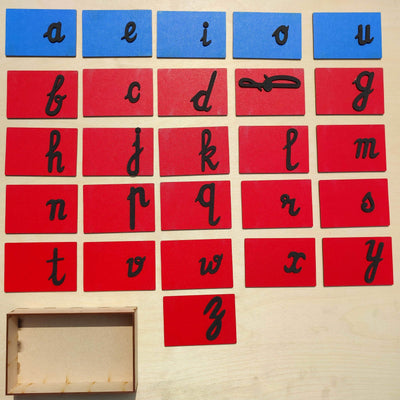
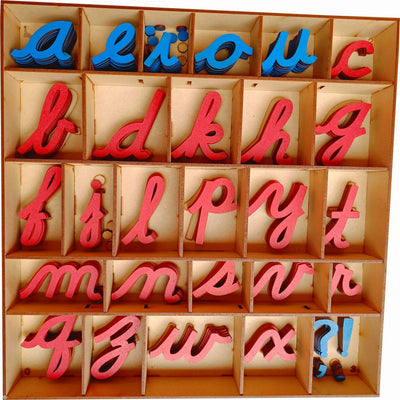
Many children with autism experience sensory sensitivities, either heightened or diminished responses to stimuli. Montessori materials are intrinsically sensory-rich, designed to engage sight, touch, sound, and even smell. Materials like sandpaper letters and geometric solids offer tactile feedback, while pouring activities in practical life lessons enhance proprioception.
These educational toys for autism, often found in Montessori settings, are not merely playthings but tools for development. They provide controlled sensory input, helping children regulate their responses. For a child like 4-year-old Rohan in Mumbai, who struggles with loud noises, a quiet corner with a set of sound cylinders or a simple activity kit focused on sorting soft pom-poms can offer a calming, constructive outlet, allowing him to process sensory information effectively.
Fostering Communication and Social Skills in Special Needs Education India
Communication and social interaction can be significant challenges for children with autism. The Montessori approach, while often associated with individual work, also cultivates these skills indirectly and directly. Practical life activities, such as setting a table or cleaning up, involve sequences and routines that build foundational communication through actions.
Moreover, 'grace and courtesy' lessons within Montessori encourage respectful interactions, teaching children how to ask for help, wait their turn, and observe others. For a child developing on the autism spectrum, practicing these structured social interactions in a low-pressure environment can be incredibly beneficial. It provides concrete scripts and visual cues for navigating social situations, which can be particularly helpful in varied social settings, from a small family gathering to a busy school playground.
The Indian Home: Adapting Montessori for Diverse Learners
Applying Montessori principles doesn't require a dedicated classroom; it can thrive within the Indian home, be it a bustling joint family in Delhi or a nuclear family in a Bengaluru apartment. Grandparents, who often play a significant role in childcare, can be instrumental in providing consistent routines and engaging children with simple, purposeful activities like helping with kitchen chores or arranging small prayer items. This natural integration mirrors Montessori's practical life approach.
In urban India, where screen time often competes with hands-on play, creating a 'prepared environment' at home means carving out a dedicated, clutter-free space for focused learning and play. This might involve a low shelf with a few carefully chosen wooden toys, puzzles, or art supplies, rotated periodically to maintain interest. It's about offering meaningful engagement that helps children develop concentration and purpose, key aspects for children with autism.
SkilloToys.com: A Partner in Your Child's Journey
At SkilloToys.com, we understand the profound impact that the right educational tools can have. Our collection of Montessori learning materials and educational toys is carefully selected to support diverse learners, including those on the autism spectrum. We prioritize quality, safety, and developmental appropriateness, ensuring that every product aids in fostering independence, sensory integration, and cognitive growth.
Supporting a child with autism is a journey of patience, understanding, and informed action. The inspiring work of foundations like the one in Bengaluru reminds us that with the right approach and resources, every child has the potential to flourish. By embracing Montessori principles and choosing purposeful educational toys, Indian parents can empower their children with autism to navigate the world with greater confidence and joy.