Baby Developmental Milestones: Modern Indian Parent's Guide
Understanding developmental milestones in babies is more than just a checklist; it's a window into your child's unique growth journey. As a recent Deccan Herald report highlighted, pediatrician Dr. Preeti Singh of Jammu emphasizes the critical importance of recognizing these markers, especially the common red flags Indian parents might inadvertently miss. For us, urban Indian parents juggling careers and family, knowing what to observe ensures we can provide the best support for our little ones.
Developmental milestones are age-specific functional skills that most children can achieve by a certain age range. These markers span gross motor, fine motor, language, cognitive, and social-emotional development. They matter because they provide a general roadmap for healthy growth, helping us identify when a child might need extra support. Indian parents can use this knowledge to proactively engage with their child's development and consult pediatricians if concerns arise.
Beyond the Checklist: The Montessori Art of Observation
Maria Montessori, the pioneer of the Montessori method, believed that observation is the cornerstone of understanding a child. It's not about pushing them to meet a target, but gently watching their interests and capabilities unfold. Think of it like this: your 8-month-old, Sia, isn't just crawling; she's meticulously figuring out how to navigate around the diwan in your Bengaluru apartment, practicing problem-solving and spatial awareness. This deep observation helps us appreciate the 'how' as much as the 'what' in montessori baby development.
The habit Indian dadis often have of encouraging early walking by holding a child's hands, while well-intentioned, can sometimes bypass the crucial crawling stage. Research shows that crawling is vital for cross-lateral brain development, core strength, and hand-eye coordination. Montessori encourages allowing babies ample floor time to explore movement independently, fostering self-reliance and complete motor skill integration. It's about trusting the child's inner timetable.
Setting Up a 'Prepared Environment' for Growth
A 'prepared environment' in Montessori means creating a safe, stimulating space where your child can freely explore and develop. For Indian homes, this might mean clearing a designated play area in your apartment, ensuring accessible, age-appropriate toys, and minimizing unnecessary clutter. This simple step empowers children to naturally engage with activities that foster their next stage of development.
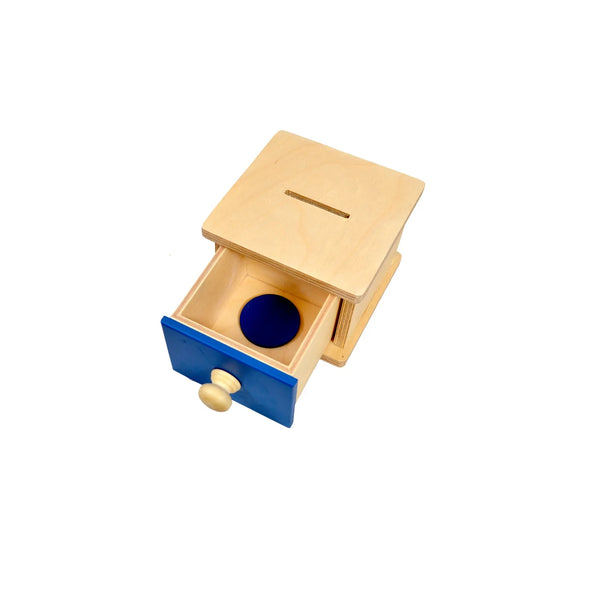
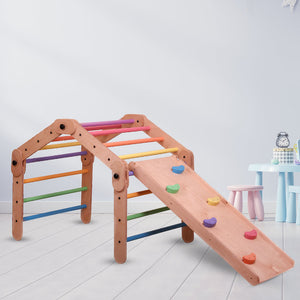
Providing well-designed Montessori learning materials that cater to a child's current developmental phase encourages focus and independence. For example, a baby learning to sit might benefit from a sturdy pull-up bar, while a toddler working on fine motor skills might engage with simple stacking toys or shape sorters. The environment itself becomes a teacher.
Navigating Indian Baby Milestones: A Realistic Guide
Understanding early childhood development India often involves navigating cultural expectations alongside clinical guidelines. The Indian Academy of Pediatrics (IAP) offers valuable insights into the typical developmental trajectory for Indian children, acknowledging the diverse genetic and environmental factors at play. For instance, while a baby might typically walk between 9 and 16 months, some perfectly healthy children might take a little longer. The key is consistent progress, not rigid, exact dates.
For parents seeking an indian baby milestones chart, remember these are ranges. For a 6-month-old, rolling over, babbling, and sitting with support are common. By 12 months, most babies are crawling, pulling to stand, using gestures like waving, and saying 'mama' or 'dada'. Around 18-24 months, we typically see toddlers walking independently, saying several words, and showing an interest in pretend play. Observing these broad categories helps you understand where your child is on their unique path.
Simple activity kits designed for specific age groups can naturally encourage these skills, whether it's stacking rings for fine motor or a pull-along toy for gross motor development. Engaging in responsive play – responding to your child's cues – also significantly boosts cognitive and emotional growth.
Recognizing Baby Developmental Red Flags
While variations are normal, certain signs, known as baby developmental red flags, warrant immediate attention. Dr. Singh's advice from the Deccan Herald article resonates strongly here: parents should be vigilant. For instance, if your 6-month-old isn't smiling or making eye contact, or a 12-month-old isn't babbling or attempting to imitate sounds, these are signals to discuss with your pediatrician. Persistent regression in skills (losing a skill they once had) is always a significant concern.
Other red flags include not responding to sounds by 6 months, not sitting by 9 months, not pointing to objects by 12-18 months, or not speaking two-word phrases by 24 months. These indicators are crucial for early diagnosis and intervention. Even subtle changes in routine, like those during the monsoon affecting outdoor play as noted by News18, can temporarily impact a child's mood or engagement, but persistent developmental concerns require expert guidance.
Trusting Your Gut, Consulting Your Doctor: Pediatrician Developmental Advice
As parents, your intuition is powerful. If you feel something isn't quite right with your child's development, don't hesitate to seek pediatrician developmental advice. The American Academy of Pediatrics recommends developmental screening at 9, 18, and 30 months, along with autism-specific screening at 18 and 24 months. Early intervention, as numerous studies indicate, significantly improves long-term outcomes for children with developmental delays, helping them reach their full potential.
Your pediatrician is your best resource for accurate assessment and guidance. They can provide tailored advice, recommend specialists if needed, and reassure you if your concerns are simply within the normal range of variation. Remember, open communication with your child's doctor is key to ensuring their healthy development.
Tonight, instead of comparing your child to an arbitrary chart, simply observe them during playtime. Notice the concentration in their eyes as they try to pick up a tiny piece of food, or the determined grunt as they pull themselves to stand. Celebrate these small victories, and if something feels consistently off, remember your pediatrician is your partner in this journey. Your keen observation is your child's first line of support in their amazing developmental adventure.