Baby Developmental Milestones & Red Flags India
As modern Indian parents, juggling busy careers and family life, a common question echoes: "Is my baby reaching their milestones on time?" Understanding baby developmental milestones India is incredibly important, as experts agree early recognition of a child's developmental path, and any potential red flags, is key to providing timely support. A recent Deccan Herald article highlighted how Indian parents sometimes miss common developmental red flags, underscoring the need for clear, accessible guidance.
What are baby developmental milestones? Baby developmental milestones are observable skills and behaviors, such as rolling over, sitting up, or babbling, that typically emerge as a child grows. They serve as a general timeline for expected development across various domains, including motor skills, language, cognitive abilities, and social-emotional growth. Recognizing these helps parents gauge their child's progress and identify areas where additional support might be beneficial, empowering them to foster optimal early childhood development.
Why Early Observation Matters for Indian Parents
In the bustling landscape of urban India, with joint families often offering a wealth of advice, it can be hard to know when to trust tradition and when to seek professional insight. While a dadi's loving touch or a bua's old remedies are invaluable, when it comes to a child's development, expert observation is paramount. Research shows that early intervention for developmental delays can significantly improve a child's long-term outcomes. The Indian Academy of Pediatrics (IAP) consistently emphasizes the importance of parental awareness and regular check-ups.
The Montessori philosophy, championed by Maria Montessori, places observation at its core. It teaches us to carefully watch our children, understanding their "sensitive periods" for learning. This isn't about rushing them, but about creating a "prepared environment" that naturally supports their innate drive to learn and grow at their own pace. For a Bengaluru parent, this might mean thoughtfully arranging a baby's play space to encourage reaching and grasping, rather than passively placing them in front of a screen.
Key Baby Developmental Milestones India: A Montessori Lens
Let's look at some key milestones and how a Montessori approach, coupled with thoughtful educational toys for babies, can support your child's natural development.
0-6 Months: Foundation of Awareness and Movement
In these early months, a baby's world is expanding rapidly. Milestones include gaining head control, reaching for objects, tracking movement with their eyes, and responding to sounds with coos and smiles. A 3-month-old like little Anya in Chennai might start to bat at a suspended rattle, her tiny hands flailing with intention. This is her developing hand-eye coordination and gross motor skills.
Montessori encourages simple, visually appealing materials like black and white mobiles for newborns, transitioning to coloured visual mobiles and tactile grasping objects around 2-3 months. The goal is to stimulate their senses without overstimulating. Think of the delicate grasp a baby makes on a wooden ring, feeling its texture and weight. Such activities are fundamental for activity kits that encourage natural exploration.
6-12 Months: Exploration and Interaction
This period is marked by significant physical and cognitive leaps. Babies typically learn to sit independently, crawl, pull themselves to stand, and develop a pincer grasp (using thumb and forefinger). Language skills emerge with babbling (like "mama" or "dada") and understanding simple commands. A 9-month-old, perhaps Rohan in Delhi, might be excitedly banging two wooden blocks together, fascinated by the sound and the cause-and-effect.
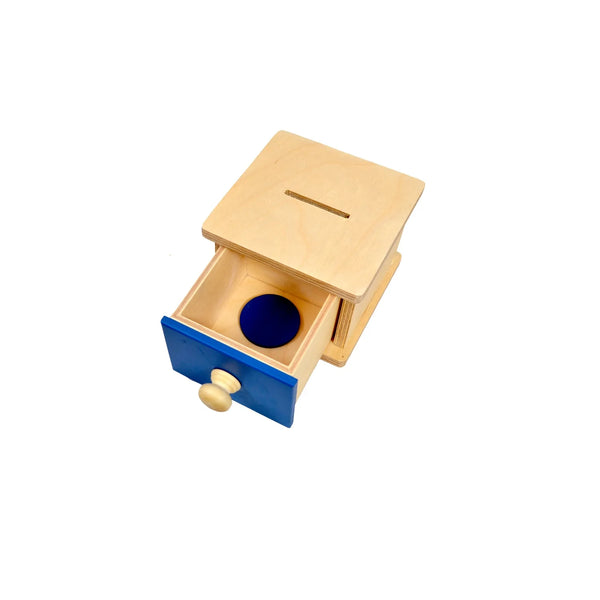
Montessori materials for this stage include object permanence boxes (where an object disappears and reappears), rolling bells, and simple stackers. These are designed to encourage problem-solving, fine motor control, and understanding of concepts like object permanence. The satisfying clunk of one wooden block landing on another, or the intense concentration as a baby tries to pick up a small pea, are all part of this vital developmental work.
12-18 Months: First Steps to Independence
Toddlers in this age group are often on the move! Milestones include walking independently, saying several single words, pointing to desired objects, and engaging in simple pretend play. A 15-month-old, like Tara in Mumbai, might be proudly pushing a small wagon around the house, babbling about her "teddy."
Montessori introduces items that refine gross motor skills and burgeoning language, such as walking wagons, simple puzzles with large knobs, and picture cards for vocabulary building. The focus shifts towards practical life skills that foster independence and self-reliance, like putting away toys or helping with simple tasks, which are often observed and encouraged in Indian homes, especially by grandparents.
Recognising Developmental Red Flags Babies Should Not Miss
While variation in development is normal, certain signs, or "red flags," warrant attention. The "wait and watch" approach common in some Indian families, while often well-intentioned, can sometimes delay crucial interventions. Early recognition, even of subtle cues, aligns with Montessori's emphasis on observation and allows for timely support, turning potential challenges into opportunities for targeted development.
According to child development experts, red flags to watch for include: no big smiles or warm, joyful expressions by 6 months; no back-and-forth babbling or gestures (like pointing, waving) by 12 months; not responding to their name by 9-10 months; or a loss of previously acquired skills at any age. If your 14-month-old, like young Kabir, isn't making any attempt to speak or gesture, or isn't making eye contact consistently, it's advisable to consult your pediatrician. This vigilance is a cornerstone of responsible early childhood development India.
The Montessori Approach to Supporting Development
The Montessori method doesn't just identify milestones; it provides a framework to nurture them. It's about understanding that a child learns by doing, exploring, and engaging with their environment. Montessori classrooms, and increasingly, Montessori-inspired homes in Bengaluru and across India, provide specially designed materials that meet a child at their developmental stage, inviting purposeful activity.
When you choose Montessori for baby development, you are investing in tools that encourage concentration, problem-solving, and independence. These are not just toys; they are learning instruments crafted to help your child master specific skills. For instance, a child struggling with fine motor skills might benefit from practical life activities like transferring beads with tongs, building finger strength and coordination naturally.
Being an informed parent means knowing what to look for and when to act. By understanding baby developmental milestones and red flags, you empower yourself to be your child's best advocate. Tonight, take a few minutes to simply observe your baby during their playtime. What new things are they trying? What seems to capture their full attention? These observations are the first step in truly understanding and supporting their incredible journey of growth.