Toddler After School Routine: A Bengaluru Parent's Montessori Guide
For many urban Indian parents in bustling cities like Bengaluru, the hours between school pickup and bedtime often feel like a race against the clock. Crafting an enriching toddler after school routine is not just about filling time; it's about creating a predictable, nurturing environment that fosters independence and calms the evening rush, a sentiment echoed by the growing interest in structured routines highlighted by recent news.
A Montessori after-school routine for kids is a predictable sequence of activities that respects a child's need for order and self-direction. This matters profoundly because predictability builds security, allowing toddlers to anticipate events and fostering crucial independence and self-control. Indian parents can implement this by creating dedicated 'work' areas and involving children in practical life tasks, transforming potential chaos into calm engagement.
Understanding the After-School Transition for Toddlers
The transition from a structured school environment to home can be overwhelming for a toddler. They've spent hours processing new information, interacting with peers, and following instructions. When they arrive home, often tired and overstimulated, they need a period of decompression, not more demands. Research from the Harvard Center on the Developing Child indicates that predictable routines significantly reduce stress and build resilience in young children, contributing to healthy brain development.
Many urban Indian parents, especially those juggling demanding careers, worry about the quality of care their children receive. The recent Bengaluru daycare case, for instance, underscores the critical need for a trusted, stable, and stimulating environment, reinforcing the importance of a well-designed home routine. A Montessori approach empowers parents to create this secure base, even when their own schedules are packed.
Crafting a Daily Routine for Toddlers: Montessori Principles in Action
Maria Montessori's philosophy emphasizes a child's innate drive for independence and learning through purposeful activity. Applied to the after-school hours, this means less direct instruction and more opportunities for self-discovery within a 'prepared environment'. This structure doesn't mean rigidity; it means a predictable flow that allows for choice and flexibility.
The goal is to move beyond simply occupying your child and instead offer activities that genuinely engage their developing minds and bodies. Think of it as an invitation to purposeful play and learning, rather than a schedule of tasks to be completed. This approach is particularly beneficial for balancing work and toddler routine, as it empowers the child to lead their own engagement.
The Welcome & Unwind: A Gentle Re-entry
The first few minutes after school are crucial. Instead of immediately asking about their day or rushing into the next activity, offer a calm welcome. A simple ritual, like taking off shoes and placing them in a designated spot, followed by a quiet snack time, can work wonders. This allows the child to decompress and reconnect.
For a 2.5-year-old like Rohan in a Mumbai apartment, this might mean a moment of quiet cuddling on the sofa with his grandmother, followed by a glass of water and a fruit. This brief, calm period allows their nervous system to settle, preparing them for the rest of the evening without the immediate pressure to perform or recount their day.
Practical Life Skills: After School Activities for Toddlers India
Montessori education values practical life activities as foundational for concentration, coordination, and independence. After school is an excellent time to involve your toddler in simple household tasks. This isn't about chores; it's about fostering a sense of contribution and capability.
Consider engaging them in tasks like helping put away their tiffin box, watering a small plant, sorting their laundry into piles, or setting out placemats for dinner. These seemingly simple acts build confidence and fine motor skills. Studies indicate that children involved in household tasks from a young age develop a stronger sense of self-efficacy and responsibility.
Focused Play & Exploration: Educational Toys for Daily Routine
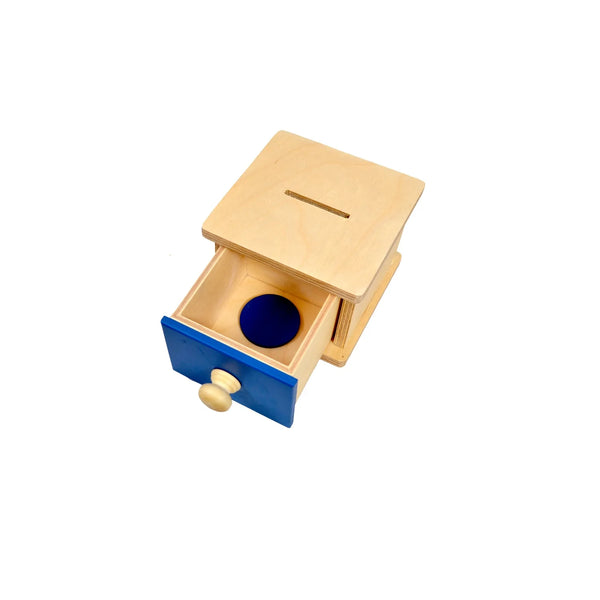
Once settled, provide access to engaging, open-ended educational toys that encourage self-directed play. These are materials that invite exploration and problem-solving without needing constant adult intervention. Think wooden blocks, puzzles, sorting games, or a small art station.
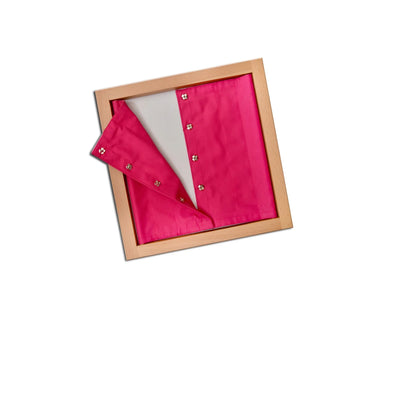
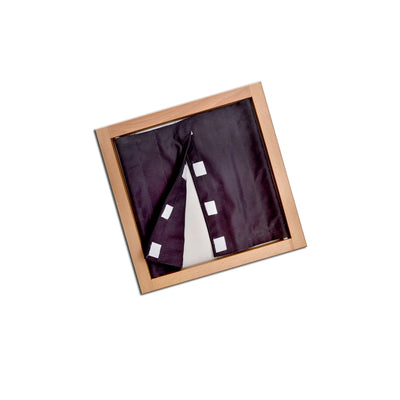
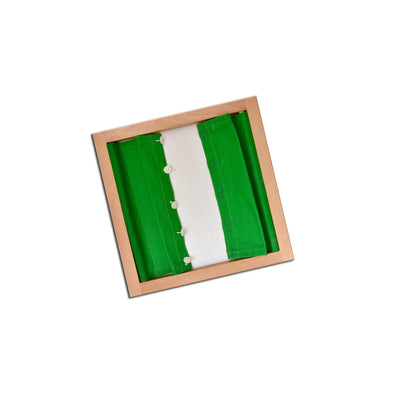
At SkilloToys.com, we believe in materials that grow with your child. Offering a selection of activity kits or Montessori learning materials in a tidy, accessible space encourages independent engagement. For Aarya, a 3-year-old in a Bengaluru joint family, this might be a 'work mat' on the floor where she can quietly engage with a knobbed cylinder puzzle, while her parents manage their evening calls.
Outdoor Time: Connecting with Nature, Even in the City
Even in urban settings, a short period of outdoor play is vital. It allows for gross motor development, sensory input, and a chance to release pent-up energy. This could be a visit to a nearby park, a stroll around the block, or even just playing on a balcony garden. The fresh air and change of scenery can significantly impact a toddler's mood and sleep quality.
Child development experts agree that unstructured outdoor play promotes creativity and problem-solving. This contrasts sharply with highly stimulating events like the recent 'toddler rave' experiment, showing that calm, self-directed exploration often offers more lasting developmental benefits than over-orchestrated activities.
The Uniqueness of a Montessori Approach: Cultivating Inner Calm
The truly unique insight of a Montessori-inspired after-school routine, especially for busy Indian parents, is that by creating a 'prepared environment' and offering choices within limits, you foster a child's *inner calm* and *self-regulation*. Instead of constantly directing, you enable them to direct themselves. This counter-intuitive approach reduces the common evening meltdowns often seen when children feel overwhelmed or constantly managed.
When a toddler has agency over their activities after school, they learn to occupy themselves meaningfully. This isn't just about giving parents a break; it's about nurturing a child's self-esteem and concentration. The satisfying clunk of a wooden block landing precisely, the focused gaze on a puzzle piece, the quiet satisfaction of putting away their own shoes — these small moments build a capable, confident child.
By offering this framework, you're not just creating a routine; you're building a foundation for lifelong learning and emotional well-being. Tonight, try setting out one simple activity for your toddler to discover when they get home, and observe the magic of their independent engagement.