Child Behavior on Flights: Montessori Guide for Indian Parents
The recent viral debate concerning child behavior on flights has urban Indian parents reflecting on public conduct. Fostering respectful travel isn't about strict discipline, but proactive preparation. Montessori principles offer a powerful, empathetic guide for families to navigate journeys gracefully, transforming potential chaos into calm learning.
Many of us saw the footage of the IndiGo flight incident, and it sparked conversations across WhatsApp groups and family dinners about ‘Indian parenting style’ – what’s acceptable, what’s not, and how we, as parents, can do better. It’s a conversation that resonates deeply, especially when we’re juggling careers, joint family expectations, and the increasing pressures of modern urban life.
Understanding ‘Respectful Travel’ Through a Montessori Lens
Respectful public behavior, in the Montessori context, is the natural outcome of a child who feels competent, understood, and connected to their environment. This matters because children thrive when given purposeful work and clear boundaries, learning to self-regulate rather than just comply. Indian parents can begin by observing their child's needs and preparing for travel with independence-building activities.
Maria Montessori's philosophy emphasizes that children learn best through doing, in a “prepared environment.” This means anticipating their needs and providing tools for self-direction, rather than simply reacting to misbehavior. Child development experts agree that children aged 18-24 months, for instance, are exploring their autonomy and testing boundaries, making flights a particularly challenging environment without proper preparation.
Proactive Preparation: The Montessori Key to Preventing Tantrums on Flights
Preventing flight tantrums or disruptive kids public behavior travel starts long before you reach the airport. Research shows that children who are involved in the process feel more secure and cooperative. This isn't just about packing a bag; it's about fostering a sense of ownership and predictability.
For a 3-year-old like Aanya, flying from Bengaluru to Delhi to visit her grandparents, preparation might involve looking at pictures of airplanes, discussing the sequence of events (checking bags, security, boarding), and even practicing sitting quietly for short periods at home. This “normalization” helps them understand what to expect.
Involve Your Child in Travel Preparations
Empower your child by letting them choose a few favorite, quiet items for their “travel bag.” This could be a small book, a few wooden animals, or a simple puzzle. The act of choosing and packing instills responsibility. It’s not about giving them endless options, but meaningful, age-appropriate choices.
Even a simple snack box can be “prepared” by your child, choosing a fruit or a small healthy treat. This gives them a sense of control in an otherwise unpredictable environment. For older children, packing their own backpack with Montessori learning materials – perhaps a small notebook and pencil, or lacing beads – can be a calming ritual.
Creating a ‘Prepared Environment’ in the Air: Montessori Travel Tips India
Once on the flight, the airplane becomes your child’s temporary “prepared environment.” The goal is to provide purposeful activity and comfort, minimizing opportunities for boredom or overstimulation – common triggers for public misbehavior. Studies indicate that a predictable routine and engaging activities significantly reduce stress in young children.
For parents like you, flying with a toddler, it’s about being strategic. Think about the layout of your seat area, the timing of meals, and having “go-to” activities readily available. This helps with kids public behavior travel, ensuring a smoother journey for everyone.
Engaging Activities for Focus and Calm
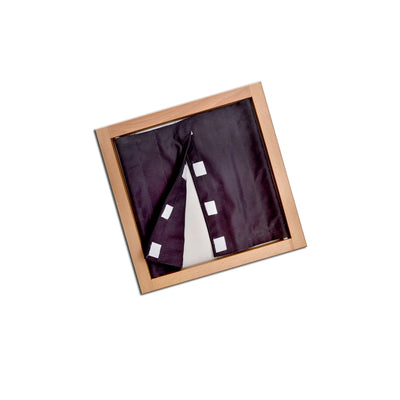
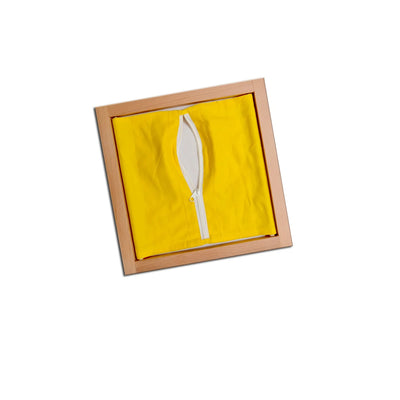
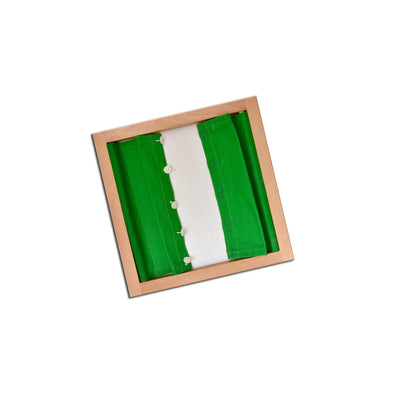
- Practical Life Miniatures: A small bag with buttons, zippers, or snap-on fabrics can keep little fingers busy.
- Sensorial Exploration: A “feely bag” with different textured cloths or small, safe objects can provide calming sensory input.
- Language & Culture: Small books about India, or simple story cards to tell tales, can be engaging and culturally relevant.
- Activity Kits: Consider compact activity kits that include drawing supplies, non-messy dough, or simple pattern-making games.
Remember, the goal isn't just to keep them “busy” but “engaged” in a way that respects their developmental stage and fosters concentration. This is key to preventing tantrums flight scenarios that often lead to public scrutiny.
Navigating the ‘Indian Parenting Style’ Debate with Grace
The recent conversations about “Dear parents, it's not cute when your child screams in public” or the “toddler rave” debate in Deccan Herald show a clear desire among urban Indian parents for guidance on public conduct. The Montessori approach doesn't advocate for permissive parenting, but for disciplined freedom within respectful boundaries.
When Arjun, a 4-year-old, starts kicking the seat in front of him, a Montessori-inspired parent wouldn't just scold. They might calmly redirect, “Arjun, our feet need to stay on the floor to be safe and respectful of the person in front. Can you try pressing them against my leg instead?” This offers an alternative, teaches empathy, and respects the child’s need for movement.
Modeling Respect and Setting Clear Boundaries
Your own behavior is the most powerful lesson. Staying calm amidst delays or frustrations, speaking softly, and showing consideration for fellow passengers – these actions demonstrate respect. Explicitly state expectations: “On the plane, we use our quiet voices and keep our hands to ourselves.”
This approach, supported by organizations like the American Academy of Pediatrics, prioritizes teaching self-control through understanding and consistent boundaries. It’s a gentle yet firm path that stands in contrast to approaches sometimes criticized in the ‘Indian parenting style’ debate for being overly strict or, conversely, too indulgent.
Beyond Flights: Integrating Montessori for Kids’ Public Behavior
The principles for peaceful travel extend to all public spaces – restaurants, malls, or even a visit to the temple. Consistency is paramount. If children learn to respect their home environment and the materials within it, they are more likely to extend that respect to public spaces.
Encourage children to help “prepare” for outings – choosing their shoes, carrying a small bag, understanding the purpose of the trip. When they feel like contributing members of the family unit, their intrinsic desire to behave respectfully blossoms. This is the enduring strength of the Montessori method for urban Indian families seeking harmonious public interactions.