Childcare Solutions for Working Parents India: Montessori Alternatives
Amidst recent concerns sparked by the Bengaluru daycare case, finding reliable childcare solutions for working parents in India has become a pressing challenge. Trustworthy childcare, particularly for urban Indian parents, extends beyond mere supervision to encompass a child's holistic development and safety. This guide explores Montessori-inspired approaches and practical alternatives that can offer peace of mind and nurturing environments for your little ones.
Many parents, reeling from unsettling news, are asking: when both parents work, who can we truly trust with our children? The dilemma is real, and the answer isn't always a one-size-fits-all daycare. Instead, we can look to frameworks like Montessori that prioritize a child's natural growth within a safe, respectful setting, often achievable right at home or within trusted networks.
Defining Trustworthy Childcare: More Than Just Safety
Trustworthy childcare goes beyond basic safety measures; it involves an environment that actively supports a child's developmental milestones and emotional well-being. Child development experts agree that consistent, responsive caregiving in the first three years of life significantly impacts brain development, with 90% of a child's brain developing by age five, making early care crucial. This means a focus on more than just physical safety, but also cognitive and emotional safety.
Montessori-inspired childcare is an approach that respects a child's natural curiosity and innate ability to learn. It involves preparing an environment that fosters independence, concentration, and self-directed activity, guided by an adult who observes rather than dictates. This matters because it cultivates confident, capable individuals. Indian parents can integrate these principles by creating thoughtful play spaces at home.
Montessori Principles for Nurturing Care at Home
Maria Montessori's philosophy offers a powerful lens through which to view and implement childcare, emphasizing respect for the child and their inherent drive to learn. These principles are remarkably adaptable to various home settings, from a compact Bengaluru apartment to a spacious joint family home.
The Prepared Environment: Empowering Independence
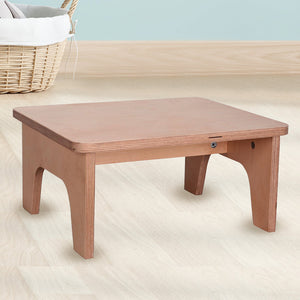
A core Montessori concept, the prepared environment, means creating a space tailored to a child's needs and developmental stage. This includes child-sized furniture, accessible learning materials, and an orderly layout that encourages exploration and independence. For instance, a 18-24 month old in a Mumbai home can have a low shelf with a few carefully chosen toys, promoting focus rather than overwhelming choice.
Research shows that children thrive in environments where they can choose their activities and complete tasks independently. This autonomy builds self-confidence and concentration. Think of simple tasks like letting a child pour water from a small jug or setting their own plate, which are practical life skills central to Montessori and invaluable for Indian children.
The Role of the "Guide": Observing and Supporting
In Montessori, the adult acts as a "guide," observing the child's interests and offering support when needed, rather than directing every activity. This involves understanding developmental milestones, as explained by pediatricians, and responding with appropriate materials and encouragement. For example, if a child shows interest in shapes, offering a shape sorter or Montessori learning materials can facilitate deeper engagement.
This approach fosters a sense of trust and security, as the child feels seen and respected. It's a non-preachy way to parent, empowering the child to learn at their own pace. Even during the monsoons, when outdoor play is limited, a guiding adult can help a child discover indoor activities that stimulate their senses and intellect.
Exploring Trustworthy Daycare Alternatives in India
Beyond traditional daycares, urban Indian parents have several trustworthy options to consider, each with unique advantages that can be infused with Montessori principles.
Family-First: Grandparents and Joint Family Support
For many Indian families, grandparents (dadi and nani) are the first and often most trusted choice for childcare. This traditional setup offers deep cultural resonance and an unparalleled bond, often aligning with Montessori's emphasis on natural learning and practical life skills. Grandparents often instinctively engage children in daily chores, storytelling, and cultural rituals, which are invaluable learning experiences.
The tradition of 'sleeping beside kids,' as explored by The Better India, highlights a deep-seated cultural comfort and attachment that strengthens a child's sense of security. Grandparents naturally provide this close, nurturing presence. While their methods might differ from a formal Montessori setting, their observational approach and readiness to respond to a child's needs are profoundly Montessori-aligned. Open communication about maintaining a prepared environment for the child can bridge any generational gaps effectively.
Nanny or Home Care: A Montessori Approach
Hiring a nanny or a caregiver for in-home support offers personalized attention and the comfort of the child's own home environment. To ensure trustworthiness and developmental appropriateness, look for caregivers who are open to understanding Montessori principles.
Training a caregiver in basic Montessori concepts—like respecting a child's choices, providing age-appropriate activities, and encouraging independence—can transform home care into a truly enriching experience. Establishing clear routines, communicating expectations regarding child safety in India, and providing accessible educational toys from SkilloToys can make a significant difference.
Community Childcare Pods: Shared Responsibility
Community childcare pods are emerging as a popular solution for urban Indian parents facing challenges like the recent daycare scares. These are small, parent-formed groups where children are cared for in a rotating home or a dedicated shared space, often by one or more parents or a hired caregiver. This model fosters a sense of community, shared values, and mutual trust.
Pods allow for a higher adult-to-child ratio, offering more individualized attention than large daycares. They also provide a flexible and often more affordable option, while still ensuring children receive social interaction and a stimulating environment. By agreeing on Montessori-inspired practices, such as providing simple, open-ended play materials and respecting children's work, these pods can offer truly holistic care.
Ensuring Child Safety and Development: Practical Steps for Urban Indian Parents
Regardless of the childcare solution you choose, proactive steps are essential for ensuring your child's safety and supporting their development. NCERT's 2019 framework for early childhood education identifies key areas for holistic growth, emphasizing a stimulating and safe environment.
Firstly, conduct thorough background checks and verify references for any non-family caregiver. Secondly, maintain open and frequent communication with your chosen provider, establishing clear expectations regarding routines, discipline, and emergency protocols. Regularly visit the care setting unexpectedly to observe interactions and the environment. Finally, prepare your home for your child's independent exploration by investing in quality, open-ended educational toys like those found in our main collection, ensuring that learning continues even after care hours.
The quest for trustworthy childcare solutions for working parents in India is deeply personal and often challenging. By exploring Montessori-inspired approaches and alternative models like home care with family or community pods, urban Indian parents can find peace of mind. Empower yourself with knowledge, trust your instincts, and create an environment where your child can flourish, safely and independently. Tonight, consider how a small change in your home environment can empower your child's independence during play.