Educational Toys: Daily Routines for Busy Indian Parents
For busy modern Indian parents juggling demanding careers and the beautiful chaos of family life, integrating educational toys into daily routines often feels like an added task rather than a joy. However, weaving purposeful play into your child's rhythm is simpler than you think and doesn't demand extra hours; it's about transforming existing moments into powerful learning opportunities. This approach ensures your child gains invaluable skills while seamlessly fitting into your bustling Bengaluru household, proving that impactful learning doesn't always need grand gestures.
What is Montessori at Home for Busy Parents?
Montessori at home for busy parents is about creating a child-centric environment that fosters independence and natural learning, using simple educational toys. This matters because it empowers children to develop concentration, fine motor skills, and problem-solving abilities at their own pace. Indian parents can achieve this by making thoughtful choices about their child's surroundings and daily interactions.
Why Every Minute with Educational Toys Counts for Your Child's Growth
Research consistently shows that early childhood experiences significantly shape cognitive and emotional development. Maria Montessori herself observed that children possess an “absorbent mind” from birth to age six, soaking up knowledge from their environment effortlessly. For children in urban India, surrounded by constant stimulation and often intense academic pressure, high-quality educational toys provide crucial, calming avenues for self-directed discovery.
Child development experts agree that engaging with concrete materials, rather than passive screen time, strengthens neural pathways vital for future learning. This consistent engagement, even in short bursts, builds foundational skills. Unlike a general ‘unlocking potential’ guide, this approach specifically focuses on how to make these toys part of the very fabric of an Indian child’s day, ensuring that even ‘toys for busy parents’ become effective learning tools.
Practical Montessori Tips for Your Daily Routine
Integrating Montessori educational toys into a busy schedule doesn't mean adding more to your plate; it means shifting perspective. The goal is to create pockets of purposeful engagement using “Montessori at home India” principles, leveraging the natural rhythm of your family's day. These “practical Montessori tips” are designed for “educational toys for working parents” who value efficiency and impact.
Morning Rush: Purposeful Play Before School
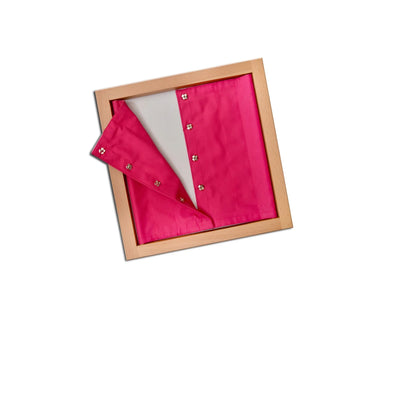
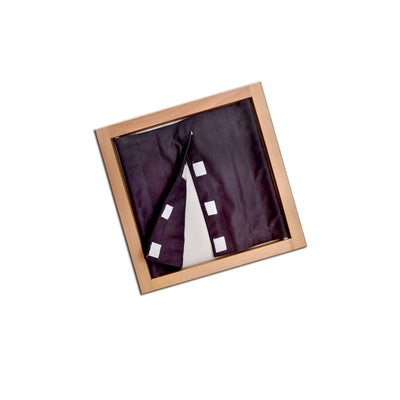
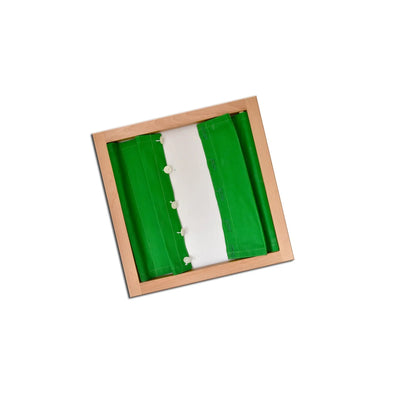
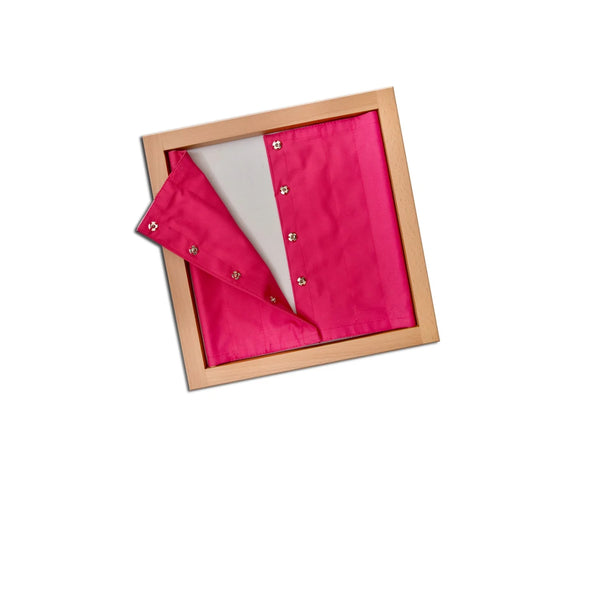
The morning often feels like a race against the clock, but it offers prime opportunities for quick, skill-building activities. As your child gets ready, offer a dressing frame to practice buttons or zippers, turning a chore into an independent task. While you prepare breakfast, a small bowl of dry rice and a spoon can be a simple pouring exercise, developing fine motor control and concentration before the school bus arrives.
This early engagement sets a positive tone for the day, encouraging a sense of accomplishment. Even five minutes of focused play with “Montessori educational toys” can make a difference. Many parents, even those co-sleeping with their children – a tradition highlighted in “Why Parents Around the World Are Looking to India’s Tradition of Sleeping Beside Kids” – find these quiet, shared moments beneficial for bonding and gentle learning.
Mealtime Magic: Learning Through Sensory Exploration
Meal preparation and mealtimes are natural learning laboratories. In many Indian homes, children are already exposed to varied textures, colours, and smells. Involve your child in simple kitchen tasks suitable for their age: washing vegetables, tearing salad leaves, or – for older toddlers – transferring spices with a small spoon. These practical life activities build confidence and sensory awareness.
During the meal, encourage conversation about food: its taste, texture, and origin. Offer a small pitcher for them to pour their own water or milk, refining coordination and self-sufficiency. These aren't just “daily routine for kids” activities; they are profound lessons in responsibility and self-care, reinforced by hands-on interaction with the environment.
Evening Wind-Down: Calm Engagement After a Long Day
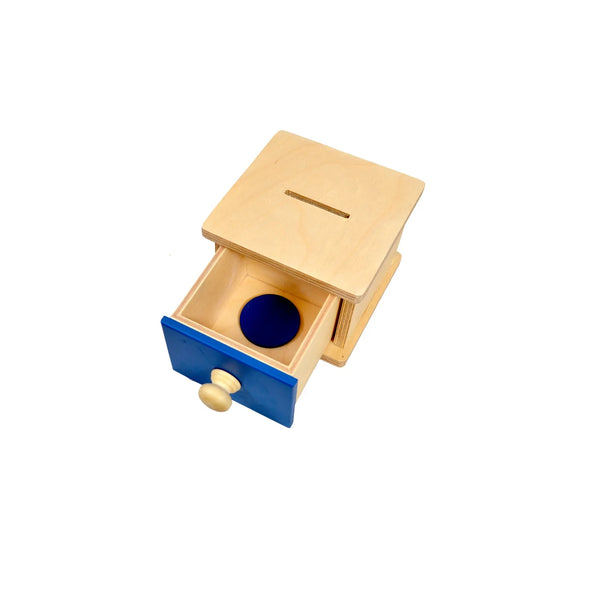
After a day of school and your work commitments, the evening is perfect for calmer activities that promote focus and relaxation. Instead of immediate screen time, present a small puzzle or a set of stacking blocks. The repetitive nature of these “educational toys” can be incredibly soothing.
Reading together, tracing sandpaper letters, or quietly sorting beads are excellent ways to transition from a busy day to bedtime. These “toys for busy parents” help develop literacy and numeracy skills in a relaxed, non-pressured environment, honouring the child's natural curiosity and the need for a peaceful close to the day.
Weekend Wonders: Deepening Skills Without Over-scheduling
Weekends offer slightly more breathing room, but resist the urge to fill every minute with structured activities. Instead, provide opportunities for extended engagement with “Montessori educational toys”. This could be a comprehensive activity kit that encourages a longer project, like building a complex structure or engaging in artistic creation.
A visit to a local park becomes a chance for nature exploration, collecting leaves or stones to sort later. The key is to allow the child to choose and direct their play, fostering deep concentration. For “educational toys for working parents,” this means setting up the environment on a Friday evening and letting the child explore freely over the weekend, building a sense of agency and sustained interest.
The Power of the Prepared Environment, Even in Small Indian Homes
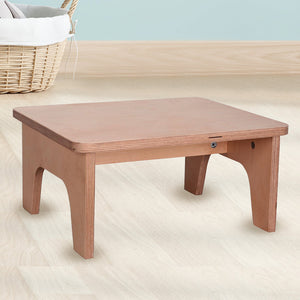
In the bustling Indian household, whether it's a multi-generational joint family in Chennai or a nuclear unit in a compact Mumbai apartment, the 'prepared environment' is paramount. Maria Montessori emphasized that the environment itself is the child's best teacher. This doesn't mean a dedicated Montessori room; it means creating an accessible, orderly space – even a low shelf or a designated mat in the living room – where “Montessori educational toys” are readily available and organised.
The beauty of the Indian family structure, often involving grandparents, can naturally support the Montessori principle of observation. As an American parent living in India might note – as highlighted in “Raising children in India Vs US: American woman shares 6 differences she experienced as a parent in India” – children in India often observe adults performing daily tasks, which naturally aligns with Montessori's practical life curriculum. Grandparents, with their patience and traditional wisdom, can be invaluable partners in fostering a child's independent “work” and concentration, simply by being present and allowing the child to participate in age-appropriate chores.
Making Montessori Sustainable for Your Family
The true essence of integrating “educational toys” lies in consistency and respect for the child’s individual pace. It's not about perfect execution, but about intentionality. Start small, observe your child’s interests, and gradually introduce materials that align with their developmental stage. Remember, the “Montessori method learning materials” on SkilloToys.com are designed to be self-correcting, empowering your child to learn from their own discoveries.
Ultimately, making Montessori sustainable for your busy Indian family is about trust: trusting your child’s innate drive to learn, trusting the power of a prepared environment, and trusting that even small moments of purposeful engagement yield profound developmental benefits. This investment in their early learning is a gift that truly lasts a lifetime, shaping not just their skills but their entire approach to discovery.