Monsoon Baby Care India: Montessori Tips for Toddlers
As the monsoon clouds gather and the first drops hit the soil, a familiar shift occurs in every Indian household with little ones. The change in weather, as highlighted by recent news articles like 'Monsoon Is Changing The Way Indian Parents Care For Their Babies', brings unique challenges and opportunities for nurturing our children. Effectively navigating monsoon baby care India requires a blend of traditional wisdom and modern developmental insights. This guide aims to equip urban Indian parents with Montessori-inspired strategies to keep their babies and toddlers healthy, engaged, and developing beautifully throughout the rainy season.
Monsoon baby care in India is a comprehensive approach to ensuring a child's health, hygiene, and developmental needs are met during the rainy season. This matters because restricted outdoor play and increased humidity can impact a child's physical and mental well-being. Indian parents can implement Montessori principles to create stimulating indoor environments that foster independence and learning.
Creating a Montessori Haven Indoors: Monsoon Care for Toddlers
When the rain keeps us indoors, our homes become the primary classroom. Research indicates that a child's environment significantly influences their development, making a thoughtfully arranged space crucial during monsoon season. For monsoon care for toddlers, creating a 'prepared environment' as envisioned by Maria Montessori means setting up a space that is safe, accessible, and inviting for self-directed activity.
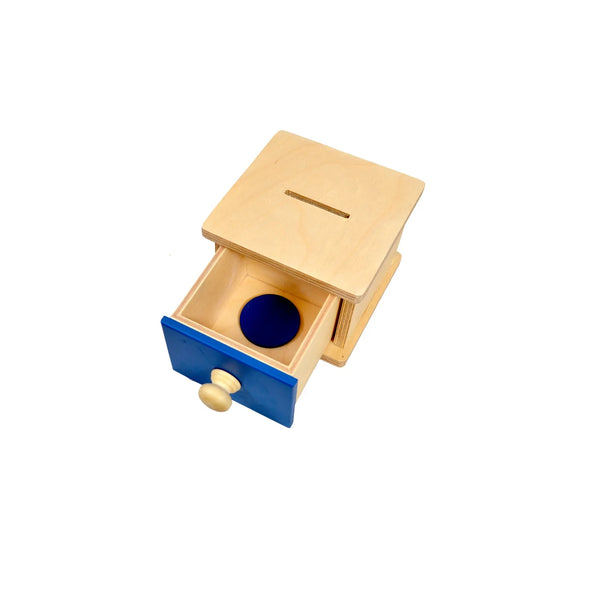
Consider dedicating a corner in your living room or a child's bedroom where everything is within their reach. Low shelves stocked with a few rotating, age-appropriate Montessori learning materials, like sorting trays with different coloured pom-poms or a simple wooden stacking toy, encourage independent choice and concentration. Child development experts agree that offering limited, high-quality choices prevents overwhelm and deepens engagement.
A non-obvious insight here is that the monsoon's forced indoor time isn't a limitation but a unique opportunity to foster deep concentration and practical life skills. For example, involving your 18-month-old Aarya in a Bengaluru joint family with a small, child-sized mop to wipe up a pretend spill, or letting your 2-year-old Rohan help sort washed clothes (indoors, of course!) can be profoundly satisfying for them, building competence and independence that outdoor play often doesn't target in the same focused way. The satisfying clunk of wooden blocks or the quiet focus during a water pouring activity offers sensory richness even indoors.
Monsoon Hygiene for Babies & Toddlers: A Montessori Approach
The increased humidity and dampness during monsoon season make hygiene a paramount concern for baby and toddler health. Studies show that maintaining meticulous hygiene can significantly reduce the incidence of monsoon-related illnesses like skin infections and stomach bugs. A Montessori approach integrates these vital practices into a child's routine, fostering independence.
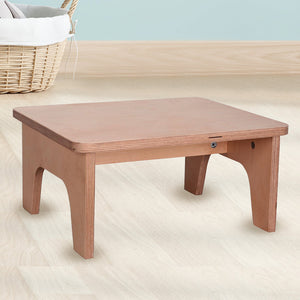
Teach your 3-year-old to wash their hands properly before meals and after playing, not just by telling but by showing them with child-sized soap and a low-set basin or stool. This empowers them in their own hygiene baby monsoon routine. For babies, focus on regular diaper changes, keeping their skin folds dry, and choosing breathable cotton clothing. The traditional Indian practice of gentle oil massages, while comforting, should be followed by a bath to wash off excess oil, preventing clogged pores and rashes exacerbated by humidity, ensuring good monsoon skin care baby.
Always boil drinking water for babies and toddlers, and ensure all utensils are sterilised. With joint families, grandparents often have tried-and-tested remedies, but it's important to blend these with modern paediatric advice, especially regarding sanitation. The World Health Organization (WHO) consistently emphasises the importance of safe drinking water and food preparation in preventing childhood illnesses, especially in vulnerable seasons.
Engaging Minds: Developmental Play for Monsoon Days
Keeping energetic toddlers engaged indoors can feel like a daunting task, but Montessori principles offer a treasure trove of ideas. Rather than elaborate electronic toys, focus on materials that encourage exploration and problem-solving, which are key for montessori monsoon play. Simple items can become powerful learning tools.
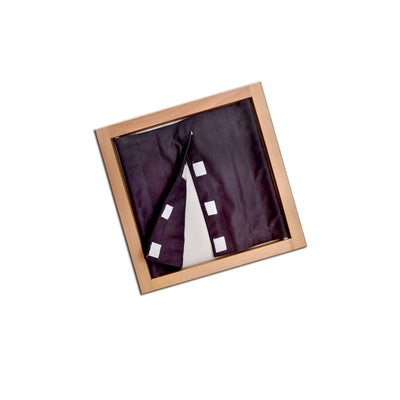
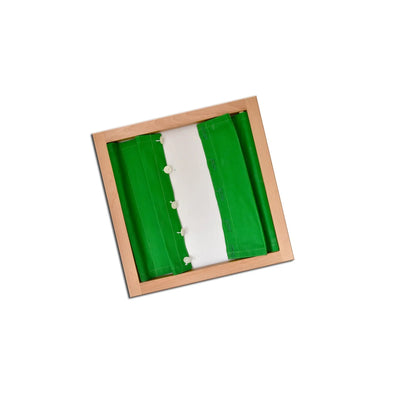
Consider sensory bins using dry rice or lentils (with close supervision for younger babies to prevent choking hazards) where children can scoop, pour, and discover hidden objects. For indoor activities monsoon kids can truly enjoy, a small tub of water with floating toys can provide endless fascination and develop fine motor skills, teaching concepts like floating and sinking. For older toddlers, simple activity kits focusing on practical life skills, such as buttoning frames or lacing cards, can build concentration and dexterity.
The Deccan Herald recently highlighted the importance of observing developmental milestones. During monsoon, parents have a unique opportunity to observe their child's independent engagement with activities. If your 2-year-old is meticulously stacking blocks, don't interrupt. This sustained focus, often referred to as 'normalisation' in Montessori, is crucial for developing attention spans and problem-solving abilities. It's about providing the right tools and stepping back, allowing the child to lead their own learning journey. Remember, the goal is not just to pass the time, but to actively support their growth, ensuring overall monsoon health for babies includes mental stimulation.
Preparing for Wellness: Monsoon Health for Babies and Toddlers
Beyond hygiene and play, proactive measures ensure robust monsoon health for babies and toddlers. With fluctuating temperatures and increased pathogen presence, prevention is always better than cure. Ensure your child's vaccination schedule is up-to-date, as recommended by the Indian Academy of Pediatrics.
Diet plays a crucial role. Offer warm, freshly prepared meals and snacks. Avoid street food, even for older family members, to minimise the risk of waterborne diseases. Introduce immunity-boosting foods like soups, khichdi, and seasonal fruits that are thoroughly washed. Proper ventilation in your home is vital to prevent dampness and mould growth, which can exacerbate respiratory issues. Using a dehumidifier or simply opening windows during dry spells can make a significant difference.
In the urban Indian context, where parents often juggle demanding careers, the monsoon offers a unique chance to slow down and reconnect. Even a short 15-minute focused play session, free from distractions, can be more impactful than hours of unfocused presence. By embracing Montessori principles, Indian parents can transform the challenges of monsoon into a period of profound growth and connection, nurturing resilient, independent, and healthy children.