Montessori Sensory Play for Toddlers: Urban India Guide
When the news broke about India's first 'toddler rave', it sparked conversations across Bengaluru and beyond. While the allure of exciting new experiences for our little ones is understandable, many urban Indian parents are looking for more meaningful, developmentally-appropriate engagement. This is where Montessori sensory play for toddlers shines, offering rich alternatives that truly nurture a child's growth.
Montessori sensory play, as envisioned by Maria Montessori, is a child-led approach where children learn by engaging their five senses through hands-on exploration. It's not just about keeping them busy; it's about building vital neural pathways, enhancing concentration, and developing a profound understanding of their world.
Montessori Sensory Play for Toddlers: Engaging Senses, Building Focus
Research consistently shows that direct sensory experiences are crucial for a toddler's brain development. For a 2-year-old in a Mumbai apartment, a simple tray of dry daal, rice, or even fresh leaves from a potted plant can be a universe of discovery. They touch, sort, pour, and scoop, refining their fine motor skills and hand-eye coordination with each focused action. Child development experts agree that such focused play cultivates concentration, a foundational skill for later academic success in our often-demanding Indian education system.
Instead of bright, overstimulating flashing lights, consider offering materials with varied textures like a smooth stone, a rough piece of jute, or a soft cotton ball. These provide rich, authentic sensory input. Even simple water play in a small tub on the balcony or in the kitchen sink, with a few child-safe cups, allows for exploration of volume and gravity, all while refining pouring skills.
Cultivating Connection: Social Development Activities for Toddlers in Urban India
Beyond individual sensory exploration, fostering social development activities for toddlers is paramount. While toddler raves aim for group interaction, Montessori emphasizes purposeful engagement within a community, often starting at home. Imagine 18-month-old Kiaan, in a joint family in Chennai, helping his Dadi sort washed vegetables for dinner. This isn't just a chore; it's an authentic social interaction, a lesson in contribution, and a chance to develop language and cooperation skills. He learns to observe, imitate, and contribute, building his sense of belonging.
For urban toddler activities India offers many opportunities, even in smaller spaces. Invite a neighbour's child for a short playdate where they engage in parallel play, perhaps building separate towers with wooden blocks or drawing side-by-side. The key is gentle facilitation, allowing them to explore social dynamics naturally, rather than forcing interaction. The American Academy of Pediatrics recommends that early social interactions, even brief ones, are critical for emotional intelligence.
Beyond Busywork: The Deeper Impact of Montessori Practical Life Skills
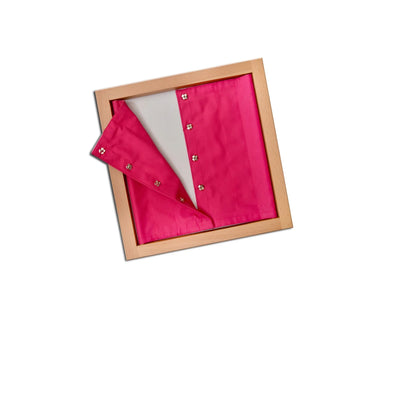
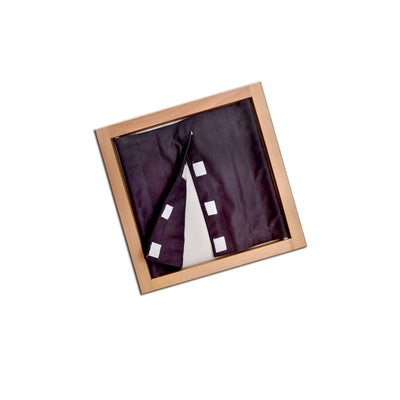
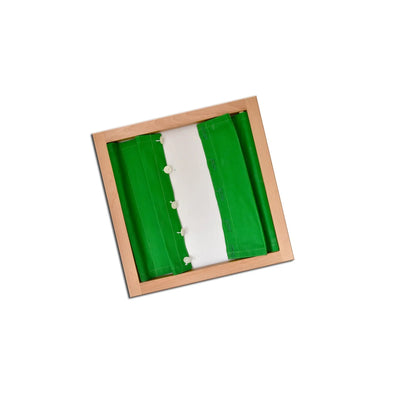
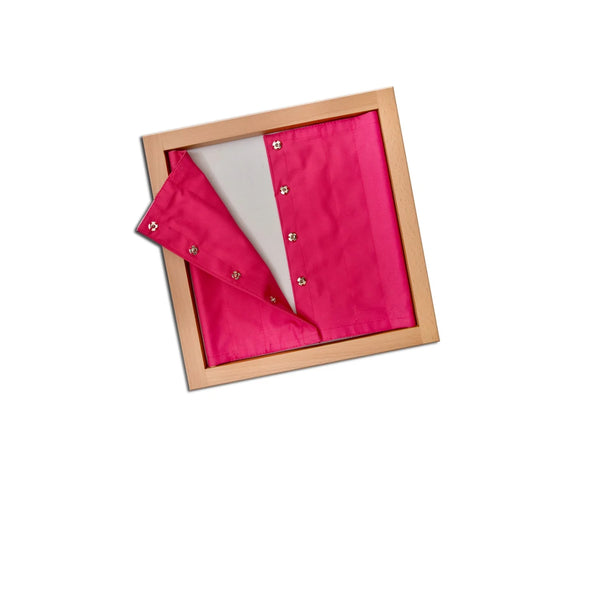
What if the most impactful play for your toddler isn't a toy, but a task? Montessori practical life skills are those simple, everyday activities that children observe adults doing and naturally want to imitate. Think pouring water, sweeping, dusting, or even polishing. These activities are incredibly engaging for toddlers because they are purposeful and connect directly to their real-world experience. For a 3-year-old, mastering the art of pouring water from a small jug without spilling is a monumental achievement, building confidence and independence.
Research by institutions like the Harvard Center on the Developing Child highlights how these seemingly simple tasks significantly enhance executive function skills – like working memory, flexible thinking, and self-control – which are crucial for success throughout life. When a child learns to meticulously wipe a table, they're not just cleaning; they're developing sustained attention and a sense of order. This intrinsic motivation to contribute, often seen in Indian households where children naturally help elders, aligns perfectly with Montessori principles.
Designing an Enriching Sensory Bin for Kids at Home
Creating a sensory bin for kids is one of the easiest ways to bring Montessori sensory play into your urban Indian home. You'll need:
- A shallow bin or tray: A large baking tray or a sturdy plastic tub works perfectly.
- Base material: Dry ingredients like rajma, chana daal, rice, or even natural elements like sand, pebbles, or dried leaves.
- Tools: Small scoops, cups, spoons, tongs, and perhaps some empty spice containers (clean and safe, of course!).
- Objects: Small wooden toys, animal figurines, clothes pegs, or even colourful pompoms.
Always ensure all materials are non-toxic and supervise your toddler closely, especially with smaller items, to prevent choking hazards. Rotate the materials regularly to keep the bin novel and engaging.
As parents in urban India, navigating the modern world while nurturing our children's development can feel like a tightrope walk. Instead of seeking fleeting excitement, let's embrace the profound impact of intentional play. By offering Montessori sensory play and practical life skills, we equip our toddlers with the concentration, independence, and social grace they need to thrive, building strong foundations for their future.
Explore SkilloToys' curated activity kits and Montessori learning materials, designed to support your child's developmental journey at every stage.