Public Etiquette for Kids India: A Montessori Guide
Recent debates ignited by incidents like the child's act on an IndiGo flight highlight the urgent need for effective strategies to teach public etiquette for kids India. Rather than simply reacting to misbehavior, a proactive Montessori approach empowers urban Indian parents to cultivate respect for property and mindful child behavior in public from an early age, transforming potentially challenging outings into opportunities for learning. Child development experts agree that explicit lessons in social graces are foundational for harmonious community living.
Public etiquette for kids India refers to teaching children appropriate social conduct and respectful interaction within shared spaces, from busy markets to family gatherings. This matters because it builds a child's confidence, ensures safety, and fosters a sense of community responsibility, which is deeply valued in Indian culture. Indian parents can actively model and practice these behaviors, providing a strong foundation for their child's social development.
Why Public Etiquette Matters for Modern Indian Families
For modern Indian parents juggling careers and family life in bustling cities like Bengaluru, navigating public spaces with children can be a unique challenge. From crowded metros to lively festivals and multi-generational family gatherings, children are constantly exposed to diverse social scenarios. The recent news surrounding the IndiGo flight incident sparked widespread discussion, reflecting a collective concern about Indian parenting public behavior and the importance of teaching our children how to conduct themselves respectfully.
Research indicates that children who are explicitly taught social rules demonstrate greater self-regulation and empathy, crucial traits for thriving in a community-oriented society like ours. Beyond avoiding disapproving glances or the infamous "log kya kahenge" (what will people say), equipping children with good public etiquette instills a sense of civic responsibility and respect for shared resources.
Montessori Grace and Courtesy: Proactive Lessons in Respect
Instead of waiting for a public meltdown or an act of disrespect, the Montessori method champions "Grace and Courtesy" lessons. Pioneered by Maria Montessori, this approach involves explicitly teaching children practical social skills, much like any other academic subject. It's about demonstrating how to greet an elder, how to ask for help politely, how to wait patiently, and how to walk quietly indoors.
These lessons are often presented through role-playing and clear demonstrations at home, allowing children to practice in a safe environment. This proactive teaching helps children develop a strong internal compass for child behavior in public, reducing anxiety for both child and parent. SkilloToys offers a range of activity kits that foster concentration and purposeful movement, indirectly preparing children for graceful public interactions.
Practical Life Skills: Building Blocks for Mindful Conduct
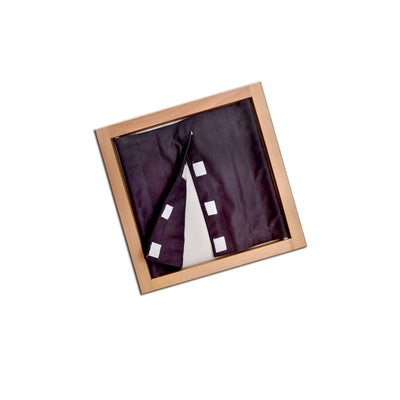
The foundation of grace and courtesy lies in Montessori practical life skills. Activities like pouring water, sweeping the floor, buttoning clothes, or carefully transferring small objects teach children precision, concentration, and control of movement. When a child learns to meticulously sort beads or carefully pour water from one jug to another, they are developing the coordination and respect for materials that will later prevent them from carelessly damaging public property or disrupting shared spaces.
These hands-on experiences cultivate an inherent respect for public property kids will carry with them. A child who learns to handle delicate objects at home with care is more likely to handle a book in a library or a shared toy at a playdate with equal thoughtfulness. It's about empowering them with competence and self-discipline.
Setting Clear Expectations for Outings: Travel with Kids Tips India
Before any outing, whether it's a visit to the local temple, a ride on the Bengaluru metro, or a long-distance train journey to visit grandparents, preparing your child is key. Discuss the specific expectations for that environment: "At the temple, we will speak in soft voices and keep our hands together." "On the train, we will sit quietly and look out the window, not run in the aisle."
Role-playing these scenarios at home can be incredibly effective. Practicing how to order food politely at a restaurant, or how to greet relatives at a large family gathering, builds confidence and competence. For those crucial travel with kids tips India, bringing along engaging, open-ended Montessori learning materials can provide structured engagement, helping children focus and maintain calm during potentially stressful travel times.
Respecting Property: From Home to Public Spaces
The concept of respecting property begins within the home. In many Indian joint families, children grow up understanding shared spaces and belongings. Involving children in the care of their environment – tidying up the puja room, arranging shoes at the entrance, or putting away their toys – instills a sense of ownership and responsibility. This extends naturally to respecting public property, understanding that parks, playgrounds, and community centers are resources for everyone.
This isn't about stifling creativity, but about teaching care. When children learn to value their own belongings and the shared items within their home, they develop an innate appreciation for public amenities. It’s a practical application of the 'Swachh Bharat' ethos, starting right in our living rooms.
Gentle Discipline for Kids in Public: Fostering Self-Control
When challenges arise in public, the Montessori approach to discipline for kids in public emphasizes gentle guidance over harsh punishment. A child throwing a tantrum in a crowded mall isn't necessarily being "naughty"; they might be overstimulated, tired, or lacking the communication skills to express their needs. Our role is to teach, not just to punish.
Studies show that consistent, calm responses to challenging behaviors lead to better long-term self-regulation than punitive approaches. Instead of shaming, try redirection, offering choices, or moving to a quieter space to talk. "I see you're upset. We can talk about it when we are calm," or "You can choose to hold my hand, or we can go home." This empowers the child to make a responsible choice and learn from the situation, fostering inner discipline rather than external compliance.
The Power of Observation and Consistency
Montessori education places a high value on observation. Pay attention to your child's cues: are they hungry, tired, overstimulated? Anticipating these needs can prevent many public misbehaviors. Moreover, consistency from all caregivers – parents, grandparents, and household help – is vital. When everyone in a child's environment models and reinforces the same expectations for public conduct, the message is clearer and more impactful, supporting secure attachment and co-regulation, which underpins self-regulation in public.
Empowering children with the tools for respectful public engagement doesn't just benefit society; it builds their self-confidence and self-awareness. By integrating Montessori principles into your parenting, you're not just managing behavior; you're nurturing a considerate, responsible individual ready to navigate the vibrant tapestry of Indian public life with grace.